Stainless Steel Ball Overview: Explanation, Key Facts, Knowledge, Tips, and Information
Stainless steel balls are small spherical components made from corrosion-resistant steel alloys. They are widely used in mechanical systems that require smooth movement, precision rotation, or controlled motion. Because of their strength, durability, and resistance to corrosion, stainless steel balls are commonly found in industrial equipment, transportation systems, precision machinery, and various engineering applications.
A stainless steel ball is typically produced through a multi-step manufacturing process that includes wire cutting, cold heading, flashing, grinding, heat treatment, and polishing. These steps help create a perfectly round and smooth sphere capable of performing accurately inside mechanical assemblies.
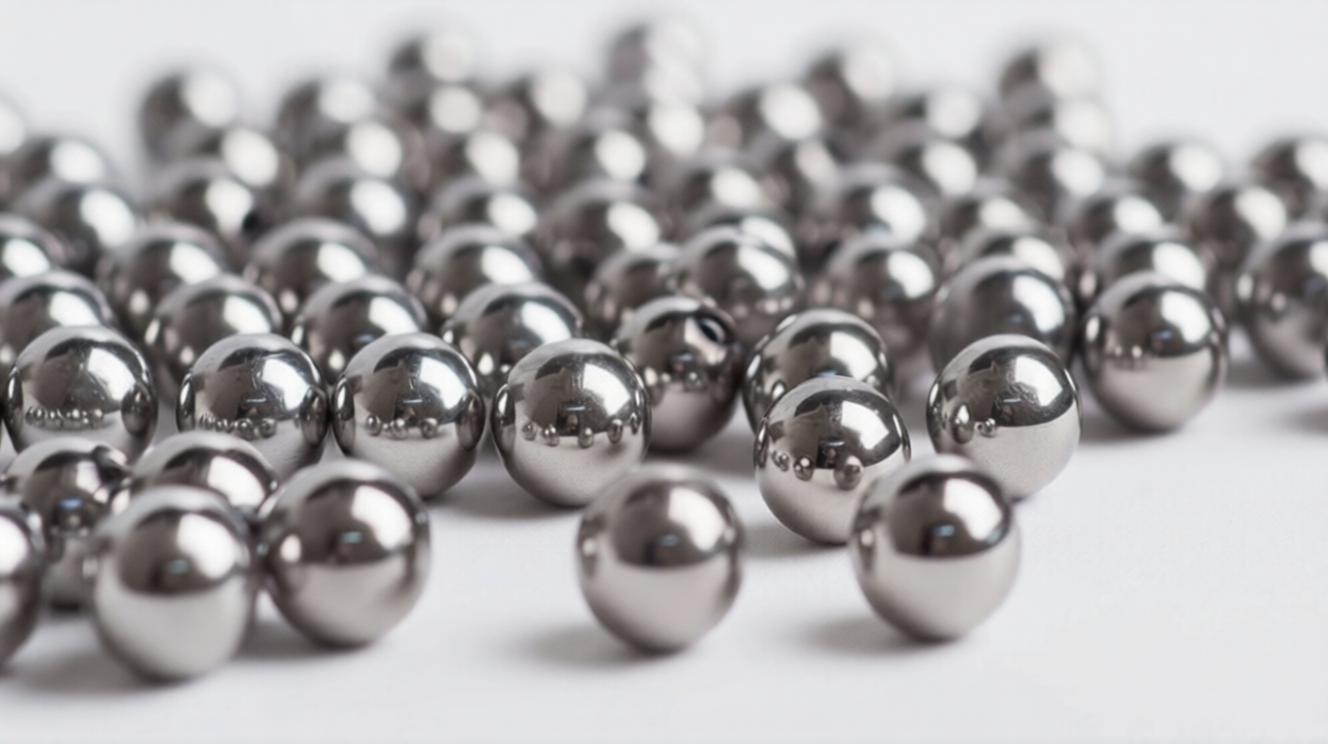
The concept of metal balls used in machinery dates back centuries, particularly with the development of bearing technology. Bearings rely on small spherical balls that roll between surfaces to reduce friction and support rotating loads. Stainless steel became a preferred material because it combines mechanical strength with resistance to rust and environmental damage.
Several stainless steel alloys are commonly used for ball manufacturing, including martensitic, austenitic, and precipitation-hardened grades. Each type provides different characteristics related to hardness, corrosion resistance, and load capacity.
Common stainless steel ball materials include:
| Material Grade | Key Characteristics | Typical Applications |
|---|---|---|
| 440C Stainless Steel | High hardness and wear resistance | Bearings, industrial machinery |
| 304 Stainless Steel | Excellent corrosion resistance | Food equipment, medical tools |
| 316 Stainless Steel | Superior chemical resistance | Marine equipment, chemical processing |
| 420 Stainless Steel | Good hardness and moderate corrosion resistance | Precision instruments |
These spherical components may appear simple, but they play an essential role in many complex mechanical systems.
Importance: Why Stainless Steel Balls Matter
Stainless steel balls are important because they support efficient motion, mechanical reliability, and precision engineering. Many machines rely on rolling components to minimize friction between moving parts. When friction is reduced, machines operate more efficiently and experience less wear over time.
In industrial environments, stainless steel balls help maintain accuracy and durability in equipment that operates continuously or under heavy loads.
Key benefits of stainless steel balls include:
-
Corrosion resistance – Suitable for humid, wet, or chemical environments
-
High strength and hardness – Able to withstand heavy loads
-
Precision manufacturing – Ensures accurate movement in bearings and valves
-
Long service life – Reduced wear in mechanical systems
-
Smooth surface finish – Enables low friction performance
Because of these properties, stainless steel balls are used in a wide range of industries such as:
-
Industrial manufacturing
-
Automotive engineering
-
Aerospace systems
-
medical equipment
-
food processing machinery
-
chemical processing equipment
-
energy generation systems
The role of stainless steel balls is particularly significant in precision mechanical components such as:
-
Ball bearings
-
Check valves
-
Linear motion systems
-
Flow control devices
-
Grinding and milling equipment
The following table illustrates typical industrial sectors that depend on stainless steel balls.
| Industry | Example Uses |
|---|---|
| Automotive | Wheel bearings, steering components |
| Aerospace | Control systems, actuators |
| Manufacturing | Conveyor systems, gear assemblies |
| Medical | Surgical instruments, precision tools |
| Energy | Pumps, turbines, rotating equipment |
Without these small spherical components, many modern machines would experience increased friction, higher energy consumption, and faster component wear.
Recent Updates: Trends and Developments
In recent times, several technological developments have influenced how stainless steel balls are designed and manufactured. Advancements in materials science and precision engineering have improved performance, consistency, and durability.
One noticeable trend is the increased use of high-precision bearing balls in advanced machinery. Modern equipment often requires extremely tight tolerances, meaning the spherical shape must be nearly perfect. Precision grading systems classify balls according to roundness and surface accuracy.
Another development involves improvements in surface finishing technologies. Enhanced polishing techniques help reduce micro-roughness on the ball surface. This leads to smoother motion and reduced mechanical friction in high-speed applications.
Manufacturers are also adopting automated inspection systems that use optical sensors and digital measurement tools. These systems can detect microscopic imperfections and ensure that stainless steel balls meet strict engineering standards.
Material innovations have also gained attention. Some research has focused on improving corrosion resistance in harsh environments, such as chemical processing equipment or marine machinery.
Another growing trend is the integration of stainless steel components into high-efficiency industrial systems. Modern mechanical systems emphasize energy efficiency, and low-friction components contribute significantly to reducing power consumption.
These developments highlight the continuing importance of precision engineering in industrial manufacturing.
Laws or Policies: Standards and Technical Regulations
The production and use of stainless steel balls are often guided by technical standards and engineering specifications. These standards help ensure consistency, safety, and reliability in industrial applications.
Various international engineering organizations publish guidelines related to material composition, hardness, dimensional tolerance, and quality inspection.
Common technical standards include:
| Standard System | Purpose |
|---|---|
| ISO Standards | Global standards for manufacturing and quality control |
| ASTM Standards | Material composition and mechanical properties |
| ABMA Bearing Standards | Specifications for bearing ball precision |
| DIN Mechanical Standards | Industrial engineering measurements |
These standards define several important parameters:
-
Ball diameter accuracy
-
Surface roughness
-
hardness levels
-
roundness tolerance
-
material composition
Precision ball grades are commonly classified using numerical grading systems. Lower grade numbers represent higher accuracy levels.
Example of typical grading structure:
| Ball Grade | Precision Level | Typical Use |
|---|---|---|
| G10 | Extremely high precision | Aerospace instruments |
| G25 | High precision | Precision bearings |
| G100 | Moderate precision | General machinery |
| G1000 | Lower precision | Grinding and polishing applications |
Adherence to technical standards helps engineers select appropriate components for mechanical systems while maintaining performance and reliability.
Tools and Resources: Helpful References and Digital Utilities
Engineers, students, and technical researchers often rely on specialized tools and information resources to understand stainless steel ball specifications and applications.
Several digital tools can assist with engineering calculations, materials analysis, and mechanical design.
Useful resources include:
Engineering calculators
-
Bearing load calculators
-
friction coefficient calculators
-
material hardness comparison tools
Technical databases
-
Materials property databases
-
industrial engineering reference libraries
-
manufacturing process guides
Engineering software
-
CAD modeling software for mechanical design
-
simulation tools for stress analysis
-
industrial maintenance planning software
Educational resources
-
materials science textbooks
-
mechanical engineering research publications
-
industrial standards documentation
The following table shows examples of commonly used engineering tools.
| Tool Type | Purpose |
|---|---|
| CAD Software | Designing mechanical assemblies |
| Engineering Calculators | Determining load capacity |
| Materials Databases | Comparing alloy properties |
| Simulation Software | Predicting stress and wear |
These tools help engineers evaluate which stainless steel ball type is most suitable for specific mechanical systems.
Frequently Asked Questions
What is a stainless steel ball used for?
A stainless steel ball is commonly used in mechanical components such as bearings, valves, and precision instruments. It helps reduce friction between moving parts and allows smooth rotational or linear motion within machinery.
What makes stainless steel balls corrosion resistant?
Stainless steel contains chromium, which forms a protective oxide layer on the metal surface. This layer helps prevent rust and protects the material from environmental damage in humid or chemically active environments.
What is a precision grade in steel balls?
Precision grade refers to the level of dimensional accuracy and surface smoothness of a steel ball. Lower grade numbers indicate higher precision, meaning the ball has a more accurate diameter and roundness.
Which stainless steel grade is commonly used for bearing balls?
One commonly used grade is 440C stainless steel. It offers high hardness and wear resistance, making it suitable for precision bearings and mechanical components that experience significant load and rotation.
How are stainless steel balls manufactured?
The manufacturing process usually includes several steps:
-
metal wire cutting
-
cold heading to form a rough sphere
-
grinding and flashing to improve shape
-
heat treatment to increase hardness
-
polishing for a smooth surface finish
This process produces highly accurate spherical components used in precision machinery.
Conclusion
Stainless steel balls are small but essential components used in many mechanical systems. Their spherical shape, durability, and corrosion resistance make them ideal for applications that require smooth motion and precise performance.
From industrial machinery and transportation equipment to medical instruments and energy systems, stainless steel balls help reduce friction, support rotating loads, and maintain mechanical efficiency.
Advancements in manufacturing technology, materials engineering, and automated inspection methods continue to improve the quality and precision of these components. Technical standards and engineering guidelines also ensure consistent performance across a wide range of applications.