Soundproof Office Furniture Guide: Key Insights, Tips & Helpful Details
Soundproof office furniture refers to specially designed workspace elements that help reduce noise distractions and improve acoustic comfort. These solutions include acoustic office pods, sound-absorbing desks, privacy panels, movable partitions, and noise-reducing seating systems. This concept emerged as workplaces shifted toward open-plan layouts, where employees often faced higher levels of ambient noise.
The rise of hybrid and flexible work models accelerated the need for quiet zones, focused work areas, and noise-controlled meeting spaces. As companies prioritized productivity and employee well-being, they began exploring furniture-based acoustic solutions instead of structural modifications. This approach became popular because it allowed organizations to improve workspace acoustics without major renovation.
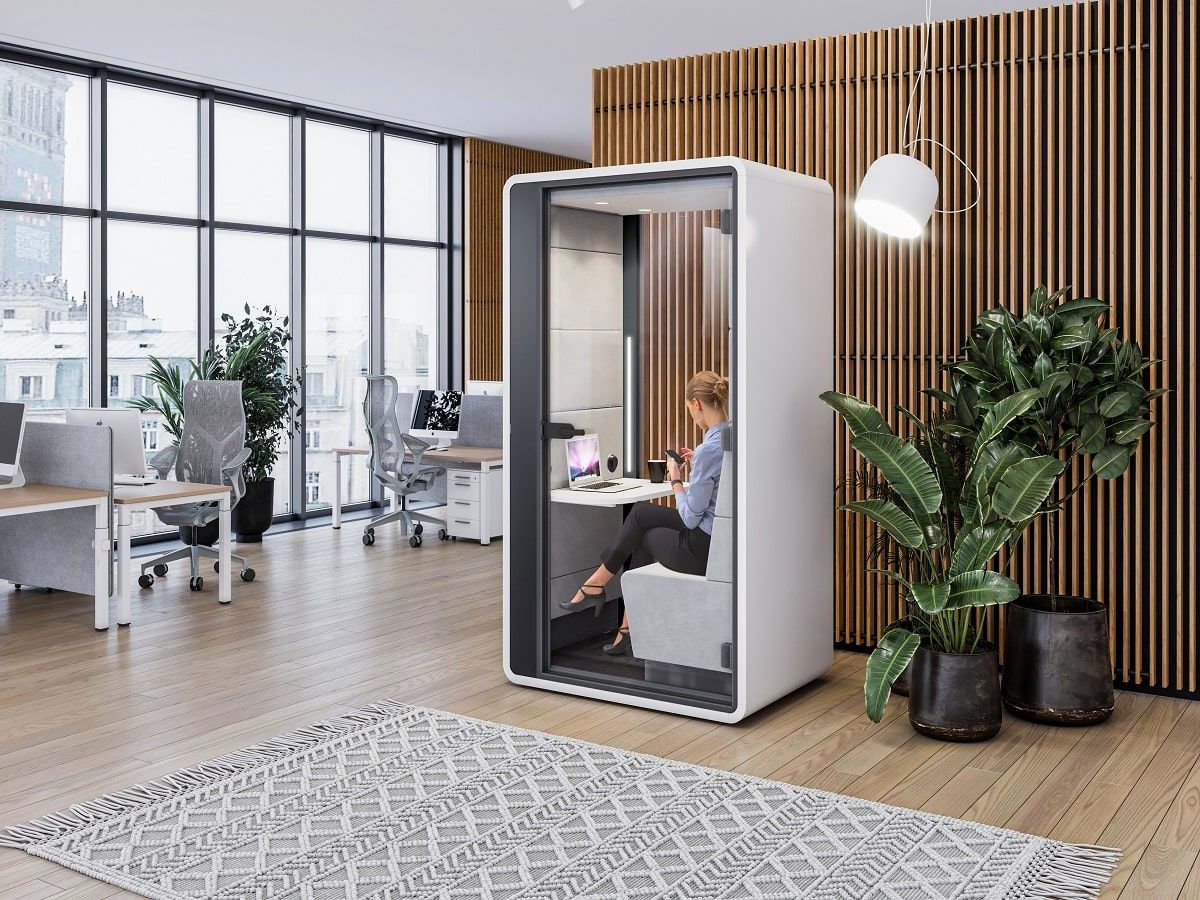
Soundproof office furniture integrates acoustic materials, sound insulation solutions, and office acoustics design principles to help reduce echoes, speech noise, and background distractions. These materials may include felt, PET fibers, mineral wool, fabric-wrapped panels, or engineered foam, all chosen for their ability to absorb or diffuse sound waves.
Why Soundproof Office Furniture Matters Today
Noise remains one of the most common challenges in modern workplaces. Conversations, typing, meetings, and environmental sounds can disrupt concentration and affect productivity. Soundproof furniture helps create spaces that support both focus and collaboration.
This topic is especially relevant for:
-
Organizations with open-plan or flexible layouts
-
Co-working and shared office environments
-
Remote workers using compact home workspaces
-
Educational institutions designing study zones
-
Healthcare and administrative teams managing confidential tasks
-
Architects and designers working on office acoustics
Soundproof furniture helps address issues such as:
-
Lack of acoustic privacy
-
Reduced focus during complex tasks
-
Echo and reverberation in open rooms
-
Noise disturbance during digital meetings
-
Stress caused by continuous background sound
By improving acoustic comfort, soundproof furniture supports better concentration, smoother communication, and overall well-being across different work settings.
Recent Updates and Trends
Several emerging trends continue to shape the development of soundproof office furniture. These updates reflect changes in workplace behavior, design preferences, and acoustic engineering.
A major trend is the growth of eco-acoustic materials, with designers increasingly using recycled PET felt, natural fibers, and low-impact fabrics. This shift aligns with global interest in environmentally responsible workspace solutions.
Another trend is the rise of modular acoustic systems, offering movable or reconfigurable components that allow offices to adapt quickly. These systems support evolving layouts and hybrid work models, making it easier to create focused zones when needed.
Digital tools for acoustic modeling and sound analysis have also advanced. Modern software helps planners predict how noise behaves in different layouts and identify ideal placement of acoustic panels, screens, and partitions.
The demand for private digital meeting spaces continues to grow. Many workplaces now use acoustic pods or enclosed booths designed for video calls, making it easier to maintain speech clarity and reduce echo.
Overall, innovations in materials, layout flexibility, and digital acoustic aids continue to influence how soundproof office furniture is designed and used.
Laws, Standards, and Policies Affecting Soundproof Office Furniture
While there are no direct laws governing soundproof furniture itself, several acoustic standards and workplace guidelines influence how organizations manage sound environments.
Common frameworks include:
-
Guidelines for acoustic performance in open-plan offices
-
Standards addressing speech privacy, echo reduction, and reverberation
-
Building codes that include general acoustic expectations
-
Occupational health and safety noise recommendations
-
Environmental noise guidelines that affect indoor sound planning
These standards help organizations evaluate noise levels, set internal acoustic targets, and select appropriate solutions. In sectors such as education and healthcare, additional guidance encourages maintaining speech confidentiality and quiet study or consultation areas.
Soundproof office furniture contributes to meeting these expectations by helping control sound within shared or high-traffic areas.
Tools and Resources for Better Acoustic Planning
Several tools make it easier to understand office acoustics and plan furniture placement. These include measurement apps, sound analysis software, and reference platforms.
Acoustic measurement tools
-
Sound level meter apps for routine noise checks
-
Decibel monitoring devices
-
Online reverberation time calculators
Acoustic planning and layout tools
-
Digital simulators for predicting sound behavior
-
Workspace mapping tools that identify reflection points
-
Layout planners that suggest optimal panel or partition positioning
Reference and learning resources
-
Acoustic standards documentation
-
Government workplace safety websites with noise guidelines
-
Online architectural databases featuring acoustic studies
These tools help designers and facility managers make informed decisions when integrating soundproofing materials, workspace noise reduction techniques, and office acoustics planning into their work environments.
Table: Common Soundproof Office Furniture Types and Their Acoustic Benefits
| Furniture Type | Acoustic Function | Common Use |
|---|---|---|
| Acoustic Pods | Speech privacy, noise isolation | Meetings, calls, focus work |
| Desk Panels | Sound absorption around the workstation | Open-plan desks |
| Movable Partitions | Reduces sound spread | Flexible office zones |
| Acoustic Seating | Adds absorption and diffusion | Breakout and lounge areas |
| Wall Panels | Reduces echo and reverberation | Conference rooms, open spaces |
Frequently Asked Questions
What materials are commonly used in soundproof office furniture?
Common materials include PET felt, acoustic foam, mineral wool, and fabric-wrapped sound-absorbing panels. These materials help reduce echo and ambient noise.
Does soundproof furniture completely block sound?
Soundproof furniture reduces noise rather than completely blocking it. It helps lower distraction levels and improves speech clarity but does not replace full architectural soundproofing.
How does acoustic furniture support digital meetings?
By controlling echo and minimizing background noise, acoustic panels and pods help microphones capture clearer audio, improving the quality of virtual meetings.
Can soundproof furniture be used in small offices or home workspaces?
Yes. Compact desk dividers, wall panels, and mobile partitions work well in smaller environments and help create focused work zones without major layout changes.
Is soundproof office furniture environmentally friendly?
Many modern acoustic products are made from recycled or low-impact materials, making them suitable for environmentally conscious workspace planning.
Conclusion
Soundproof office furniture plays a valuable role in designing comfortable and functional work environments. As workstyles evolve and noise remains a concern, acoustic solutions help create balanced spaces that support both focus and collaboration. With ongoing innovations in materials and design, along with accessible acoustic planning tools, organizations can improve privacy, clarity, and comfort in a wide range of settings.
This balanced approach to acoustic design helps meet workplace expectations, supports well-being, and enhances the overall experience of modern workspaces.