Sound System Rentals: A Complete Guide to Basics, Tips, and Practical Insights
Sound system rentals refer to the temporary arrangement of professional audio equipment for events, gatherings, and productions. These systems typically include speakers, microphones, amplifiers, mixing consoles, cables, and sometimes lighting or staging support.
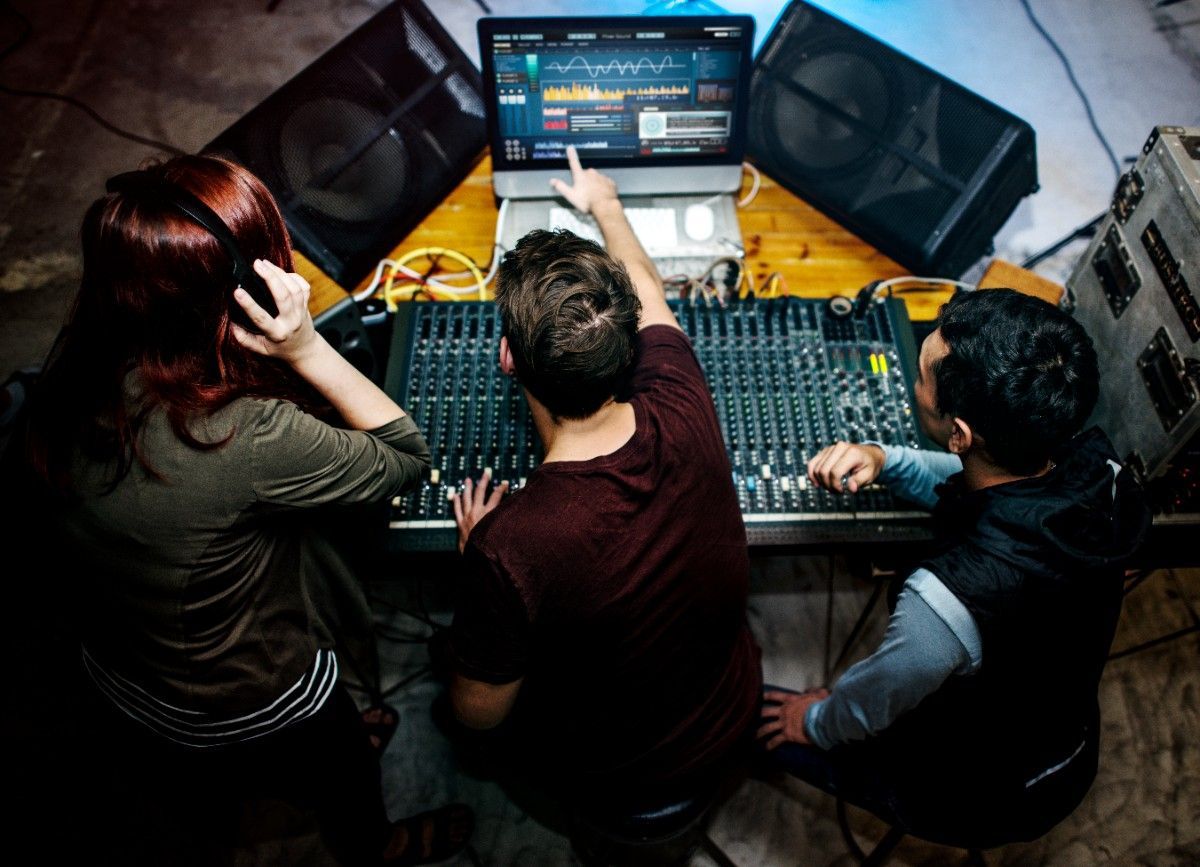
The concept exists because many individuals, organizations, and institutions need high-quality sound for short-term use. Instead of owning complex audio equipment, which requires maintenance and technical knowledge, they rely on structured event audio solutions for specific occasions.
Common situations where sound system rentals are relevant include:
-
Conferences and corporate presentations
-
Weddings and social celebrations
-
Educational seminars and workshops
-
Cultural festivals and community events
-
Live music performances and public gatherings
At its core, the goal is simple: ensure clear, balanced, and reliable sound so that audiences can hear speech or music without distortion or interruption.
Modern professional audio equipment is highly advanced. It often includes digital signal processing, wireless microphone systems, and scalable speaker arrays. Because of this complexity, planning and understanding the basics of PA system setup is essential.
Why Sound System Rentals Matter Today
The importance of sound system rentals has grown due to the increasing number of hybrid events, outdoor programs, and multimedia presentations. Clear sound is not just a convenience; it directly influences audience engagement and communication effectiveness.
For businesses, strong audio performance supports brand credibility during product launches and conferences. For educational institutions, it ensures students and participants receive clear instruction. For community groups, it improves accessibility during public events.
Key reasons this topic is relevant today include:
-
Rising demand for live and hybrid event production
-
Expansion of outdoor gatherings and public festivals
-
Increased use of wireless microphones and digital mixing consoles
-
Greater focus on accessibility and inclusive communication
Poor audio quality can lead to feedback noise, unclear speech, and audience fatigue. By understanding speaker configuration guides and live sound engineering principles, event organizers can reduce technical issues.
Below is a simplified comparison table highlighting common components in a basic and advanced sound setup:
| Component | Basic Setup | Advanced Setup |
|---|---|---|
| Speakers | 2 powered speakers | Line array or multiple speaker clusters |
| Microphones | Wired dynamic microphones | Wireless and condenser microphones |
| Mixing Console | Small analog mixer | Digital mixing console with DSP |
| Monitoring | Minimal or none | Stage monitors or in-ear systems |
| Control Features | Basic volume control | Equalization and signal processing |
As events become more interactive and content-rich, understanding these differences becomes increasingly important.
Recent Developments and Industry Trends
In the past year, several trends have influenced the sound system rentals landscape. Technological improvements and changing event formats have shaped how audio setups are planned.
One major trend has been the expansion of hybrid event infrastructure. Many conferences and seminars now combine in-person and online audiences. This requires integrated audio systems connected to streaming platforms, increasing demand for digital mixing and signal routing tools.
Another development is the growing use of portable and battery-powered PA systems. These systems support outdoor events where direct electrical access may be limited. They are commonly used in community programs and small-scale public gatherings.
Line array speaker systems have also become more common for large venues. These systems distribute sound more evenly across wide areas, reducing echo and distortion.
Laws and Policy Considerations
Sound system rentals are influenced by public safety standards, environmental regulations, and licensing rules. Although policies vary across regions, some general regulatory themes apply broadly.
Noise control regulations are one of the most common considerations. Local authorities often define permissible sound levels, especially for outdoor events or residential areas. Event organizers typically need to monitor decibel levels to prevent disturbances.
Electrical safety standards also apply. Equipment must comply with technical safety guidelines related to wiring, grounding, and power distribution. This reduces the risk of fire hazards and electrical faults.
Public gathering permits may require:
-
Approval for amplified sound
-
Venue occupancy compliance
-
Emergency access planning
-
Adherence to time restrictions
In some regions, environmental policies encourage reduced noise pollution and energy-efficient event production. Understanding these frameworks is important for smooth event planning and compliance.
Tools and Resources for Planning
Planning a sound system rental setup involves technical and organizational coordination. Several tools and digital resources can help simplify the process.
Helpful tools include:
-
Decibel meter apps for monitoring sound levels
-
Room acoustic calculators for estimating speaker placement
-
Event production planning templates for scheduling equipment setup
-
Cable management diagrams to prevent technical confusion
-
Digital mixing console simulators for training and preparation
Below is a simplified checklist table for planning event audio solutions:
| Planning Element | Purpose |
|---|---|
| Venue size analysis | Determines speaker capacity needs |
| Audience layout map | Supports optimal speaker positioning |
| Microphone selection guide | Matches mic type to speech or music use |
| Power requirement estimate | Ensures safe electrical distribution |
| Backup equipment checklist | Reduces risk of technical interruptions |
Understanding microphone types is also important:
-
Dynamic microphones – Durable and suitable for live vocals
-
Condenser microphones – Sensitive and ideal for detailed audio
-
Wireless microphones – Allow movement without cable restrictions
For those learning live sound engineering, educational platforms and professional audio forums provide tutorials, signal flow diagrams, and troubleshooting guides.
Frequently Asked Questions
What is included in a typical sound system rental setup?
A standard setup usually includes speakers, microphones, an audio mixing console, amplifiers or powered speakers, cables, and stands. Larger events may include monitors, signal processors, and digital control systems.
How do I determine the right speaker size for an event?
Speaker size depends on venue dimensions, audience size, and whether the event is indoors or outdoors. Larger venues typically require higher output systems or multiple speaker clusters for balanced coverage.
What is the difference between analog and digital mixing consoles?
Analog consoles use physical knobs and sliders for sound adjustment. Digital consoles provide advanced processing features, presets, and touchscreen interfaces, offering greater flexibility for complex events.
Why is feedback noise common in live events?
Feedback occurs when microphone sound is re-amplified through speakers and re-enters the microphone. Proper speaker placement and equalization reduce this issue.
Are noise regulations strict for outdoor events?
Many local authorities enforce maximum decibel limits and specific time restrictions. Event organizers should review local guidelines before planning amplified sound activities.
Conclusion
Sound system rentals play a vital role in modern event production. From small educational seminars to large-scale festivals, clear and reliable audio ensures effective communication and audience engagement.
Understanding professional audio equipment, PA system setup principles, and speaker configuration guidelines helps reduce technical challenges. As digital mixing consoles, wireless microphone systems, and portable PA units become more common, staying informed about industry trends is essential.
Regulatory awareness, careful planning, and the use of structured tools further support successful outcomes. By focusing on technical clarity and compliance, event organizers can create environments where sound enhances the overall experience rather than becoming a distraction.