Solar Tracking Systems: Complete Guide to Technology, Working Principles, and Energy Efficiency Insights
Solar tracking systems are mechanical and electronic structures designed to orient solar panels toward the sun throughout the day. Unlike fixed solar panel installations, which remain in a static position, tracking systems adjust the panel angle to follow the sun’s movement across the sky.
These systems exist because sunlight reaches solar panels at different angles as the Earth rotates. When sunlight strikes a panel at a perpendicular angle, energy absorption increases significantly. Fixed panels only achieve optimal alignment for a short period each day. Solar tracking technology solves this limitation by continuously adjusting panel orientation to maximize exposure to sunlight.
Solar trackers are widely used in large photovoltaic installations where increasing power output without expanding land area is a priority. They combine structural engineering, control systems, and sensor technology to improve solar energy generation efficiency.
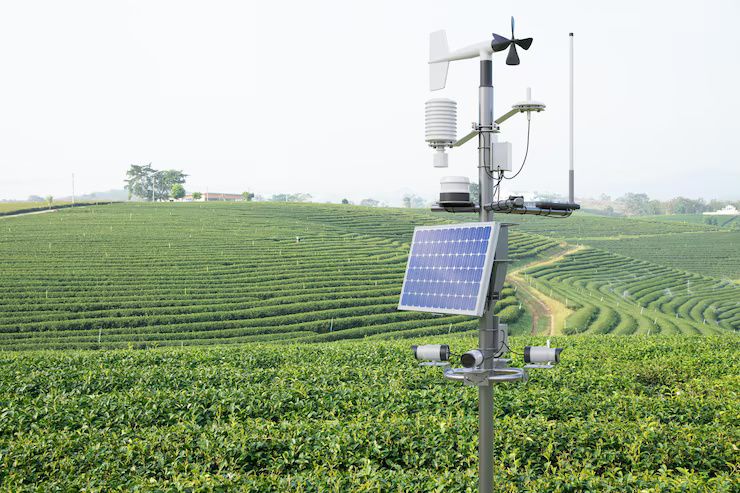
Importance: Why Solar Tracking Systems Matter Today
Solar tracking systems are becoming increasingly important as countries expand renewable energy capacity and seek higher efficiency from solar power infrastructure.
Key reasons this topic matters today include:
-
Improved energy generation: Tracking systems allow solar panels to capture more sunlight during daylight hours.
-
Better land utilization: Higher energy output can be achieved from the same installation area.
-
Grid stability: Consistent solar production supports reliable energy supply.
-
Sustainability goals: Renewable energy adoption contributes to global climate strategies.
-
Infrastructure development: Large solar farms rely on tracking technology for optimal performance.
Solar tracking systems affect energy developers, grid planners, engineers, environmental researchers, and government agencies responsible for renewable energy policies. They help address challenges such as limited land availability, fluctuating solar intensity, and efficiency optimization.
Working Principles of Solar Tracking Systems
Solar trackers operate through a combination of sensors, motors, and control mechanisms that adjust panel orientation based on the sun’s position.
Basic operating process:
-
Sensors detect sunlight direction or calculate solar position based on time and geographic location
-
Control systems determine the optimal panel angle
-
Motors or actuators rotate the panel structure
-
Panels follow the sun across the sky from east to west
-
At sunset, systems return panels to the starting position for the next day
Two primary tracking configurations are commonly used.
| Tracker Type | Movement Pattern | Typical Application |
|---|---|---|
| Single-axis tracker | East-to-west rotation | Large utility-scale solar farms |
| Dual-axis tracker | East-west and north-south adjustment | High-efficiency installations |
Single-axis systems are widely used because they balance improved output with mechanical simplicity. Dual-axis trackers provide more precise alignment but involve additional mechanical complexity.
Recent Updates: Trends and Developments (2024–2025)
Solar tracking technology has continued to evolve with improvements in reliability, energy optimization, and environmental resilience.
| Year | Update or Trend | Impact |
|---|---|---|
| 2024 | Advanced solar position algorithms | More accurate panel alignment |
| 2024 | Stronger tracker structures | Better wind resistance in large solar farms |
| 2025 | AI-assisted performance monitoring | Improved energy prediction and maintenance planning |
| 2025 | Lightweight composite materials | Reduced structural load and improved durability |
Research published in early 2025 renewable energy journals highlighted improved tracking accuracy through predictive solar modeling, allowing systems to anticipate sun movement even during partial cloud cover.
Another trend is the integration of tracking systems with grid monitoring tools, enabling operators to coordinate solar production with energy demand patterns.
Laws, Regulations, and Renewable Energy Policies
Solar tracking systems are influenced by energy regulations and renewable energy development programs in many countries.
Common policy areas include:
-
Renewable energy targets set by national governments
-
Grid integration guidelines for solar power plants
-
Environmental impact assessments for large solar installations
-
Building and electrical safety standards for solar infrastructure
-
Clean energy incentive programs
For example, renewable energy initiatives supported by organizations such as the International Renewable Energy Agency encourage efficient solar technologies, including tracking systems, to improve overall energy output from photovoltaic installations.
Many countries also incorporate solar tracking technology into large-scale renewable energy projects supported through national energy transition strategies.
Tools and Resources for Understanding Solar Tracking Systems
Several technical tools and learning resources help engineers and planners understand solar tracking performance.
Helpful tools include:
-
Solar path calculators for determining sun angles
-
Photovoltaic system design guides
-
Solar radiation databases
-
Renewable energy simulation models
-
Structural load calculation charts
Educational resources include:
-
Renewable energy engineering textbooks
-
University research publications on solar power systems
-
Government renewable energy knowledge portals
-
Industry reports on photovoltaic technology trends
These resources assist professionals in designing, evaluating, and optimizing solar tracking installations.
Operational Considerations and Efficiency Factors
Solar tracking systems require careful planning to ensure reliable performance.
Important factors influencing efficiency include:
-
Geographic location and latitude
-
Seasonal sun path variations
-
Wind load and structural stability
-
Maintenance planning for moving components
-
Electrical system integration
When properly designed, solar trackers significantly increase solar energy capture compared with fixed installations. However, performance gains depend on environmental conditions, system design, and operational management.
Frequently Asked Questions
What is the main advantage of solar tracking systems?
They increase solar panel exposure to sunlight throughout the day, improving energy generation efficiency.
Are solar trackers used in all solar installations?
They are most commonly used in large solar farms where increased output justifies the additional mechanical complexity.
How do solar trackers determine the sun’s position?
They use either sunlight sensors or programmed solar position algorithms based on time and location.
Do solar trackers require maintenance?
Yes. Because they include moving components, periodic inspection and maintenance are important for reliable operation.
Can solar trackers operate in cloudy conditions?
Yes. Tracking systems follow predicted sun paths even when sunlight intensity varies due to cloud cover.
Conclusion
Solar tracking systems represent an important advancement in photovoltaic technology. By continuously adjusting panel orientation to follow the sun, these systems help maximize solar energy capture and improve the efficiency of renewable energy infrastructure.
As global demand for clean energy continues to rise, solar tracking technology will remain an essential component of large-scale solar projects. Advances in structural design, predictive algorithms, and monitoring systems are making these systems more reliable and efficient, helping countries and industries move closer to long-term renewable energy goals.