Solar Plant Projects An Explore Guide with Basics, Insights, Facts, and Essential Knowledge
Solar plant projects are structured renewable energy developments that convert sunlight into electricity using solar photovoltaic (PV) technology or concentrated solar power (CSP) systems. These projects range from small rooftop installations to utility-scale solar farms that generate hundreds of megawatts (MW) of clean energy.
The foundation of modern solar plant development lies in photovoltaic technology first demonstrated by Edmond Becquerel in 1839. Today, solar infrastructure is central to global energy transition strategies.
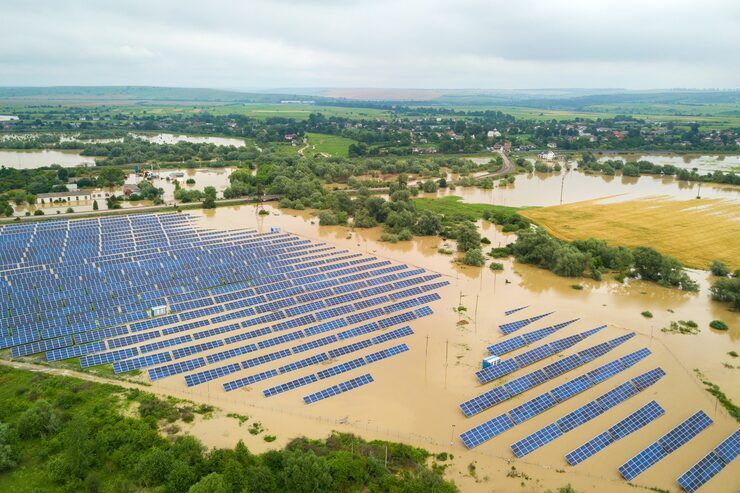
Key components of a solar power plant include:
-
Solar panels (PV modules)
-
Inverters (DC to AC conversion)
-
Mounting structures
-
Transformers and substations
-
Monitoring and control systems
-
Grid connection infrastructure
Solar plants exist because of growing energy demand, climate change concerns, and the global shift toward carbon-neutral energy systems. Countries worldwide are prioritizing renewable energy investment, sustainable infrastructure, and green energy financing to reduce fossil fuel dependency.
Why Solar Plant Projects Matter Today
Solar energy systems are now among the fastest-growing renewable energy investments globally. They affect:
-
Governments pursuing clean energy targets
-
Industrial and commercial sectors reducing electricity expenses
-
Investors seeking sustainable infrastructure assets
-
Environmental stakeholders aiming to cut carbon emissions
Solar plant projects help solve multiple challenges:
Energy Security
Solar reduces reliance on imported fossil fuels and volatile fuel pricing.
Carbon Emission Reduction
Large-scale solar farms significantly lower greenhouse gas emissions compared to coal-based power generation.
Long-Term Power Stability
Solar plants provide predictable generation patterns and support grid diversification.
Sustainable Economic Growth
Utility-scale solar projects encourage infrastructure development, land optimization, and green financing opportunities.
Below is a simplified comparison of power generation sources:
| Energy Source | Carbon Emissions | Fuel Dependency | Long-Term Stability |
|---|---|---|---|
| Coal | High | High | Moderate |
| Natural Gas | Medium | High | Moderate |
| Solar Power | Very Low | None | High |
The global push toward ESG investing (Environmental, Social, and Governance) has increased capital allocation into renewable energy infrastructure funds and solar energy portfolios.
The past year has seen significant developments in solar power plant design and deployment.
Declining Module Prices
Throughout 2025, global solar module prices continued stabilizing after supply chain corrections in 2023–2024. This has improved project viability for large-scale solar EPC planning.
Expansion of Energy Storage
Battery Energy Storage Systems (BESS) are increasingly integrated into solar plant infrastructure to address intermittency and grid balancing requirements.
Rise of Floating Solar Projects
Reservoir-based floating solar installations are gaining traction in water-scarce and land-constrained regions.
Advanced Solar Trackers
Single-axis and dual-axis tracking systems are now standard in many utility-scale solar farms, improving energy yield optimization by 15–25%.
Manufacturing Localization
Many countries expanded domestic solar manufacturing capacity in 2025 to reduce import dependency and strengthen renewable energy supply chains.
According to international renewable energy outlook reports (2025), global solar capacity additions are projected to exceed previous records, driven by decarbonization goals and energy transition policies.
Laws and Government Policies Affecting Solar Plant Projects
Solar energy development is closely influenced by national and regional regulations.
In India, the Ministry of New and Renewable Energy (MNRE) plays a central role in shaping renewable energy frameworks. Key policy influences include:
Renewable Purchase Obligations (RPO)
Electricity distribution companies must procure a specified percentage of power from renewable sources.
National Solar Mission
Launched under the National Action Plan on Climate Change, this initiative supports large-scale solar deployment targets.
Production-Linked Incentive (PLI) Scheme
Encourages domestic manufacturing of high-efficiency solar modules.
Grid Compliance and Technical Standards
Solar plant developers must meet Central Electricity Authority regulations for grid synchronization and power quality.
Land Use and Environmental Clearances
Utility-scale projects require environmental impact assessments and state-level approvals.
Globally, similar renewable energy policies exist in the European Union, the United States, and Asia-Pacific markets, emphasizing decarbonization targets aligned with international climate agreements.
Tools and Resources for Solar Plant Planning
Professionals working on solar plant development rely on various technical and financial tools.
Solar Resource Assessment Platforms
-
Global Solar Atlas
-
PVGIS (Photovoltaic Geographical Information System)
Solar Design Software
-
PVsyst
-
Helioscope
Energy Yield Calculators
Used for solar energy output modeling and feasibility studies.
Financial Modeling Templates
Renewable energy financial projection spreadsheets help estimate Internal Rate of Return (IRR), Levelized Cost of Electricity (LCOE), and payback periods.
Grid Integration Studies
Power system simulation software supports grid impact assessments and transmission planning.
Monitoring and SCADA Systems
Supervisory Control and Data Acquisition platforms enable real-time monitoring of plant performance.
Environmental Impact Tools
Used for carbon reduction calculation and sustainability reporting under ESG compliance standards.
Frequently Asked Questions
What is the average lifespan of a solar power plant?
Most solar PV plants operate efficiently for 25–30 years. Inverters may require replacement within 10–15 years.
How much land is required for a utility-scale solar plant?
Typically, 4–5 acres per megawatt (MW) are required, depending on panel efficiency and layout design.
Can solar plants operate during cloudy weather?
Yes, though output decreases. Modern PV modules generate electricity even under diffused sunlight conditions.
What is the difference between rooftop and utility-scale solar?
Rooftop systems are smaller and designed for on-site consumption. Utility-scale plants generate electricity for grid distribution.
How does battery storage improve solar performance?
Battery systems store excess electricity generated during peak sunlight hours and release it when demand increases or sunlight decreases.
Conclusion
Solar plant projects represent a transformative shift in global energy infrastructure. With advancements in photovoltaic efficiency, battery storage integration, and renewable energy policy frameworks, solar power continues to expand as a cornerstone of sustainable development.
Governments are strengthening renewable energy regulations, investors are prioritizing green infrastructure assets, and industries are transitioning toward clean energy systems. The combination of policy support, technological innovation, and climate commitments ensures that solar energy infrastructure will remain central to long-term energy security and carbon reduction strategies.
Understanding solar plant basics, regulatory frameworks, performance metrics, and financial modeling tools equips stakeholders with essential knowledge for participating in the renewable energy transition responsibly and effectively.