Soil Stabilizers Overview: Learn the Basics, Key Information, and Expert Insights
Soil stabilizers are materials and techniques used to improve the physical properties of soil. Natural soil conditions are not always suitable for construction, agriculture, or infrastructure projects. Some soils lack strength, durability, or resistance to moisture, which can lead to erosion, cracking, or structural failure over time.
The concept of soil stabilization exists to address these limitations. By modifying soil composition, stabilizers help enhance load-bearing capacity, reduce water sensitivity, and improve long-term performance. These methods are applied in roads, foundations, embankments, railways, and land development projects where stable ground conditions are essential.
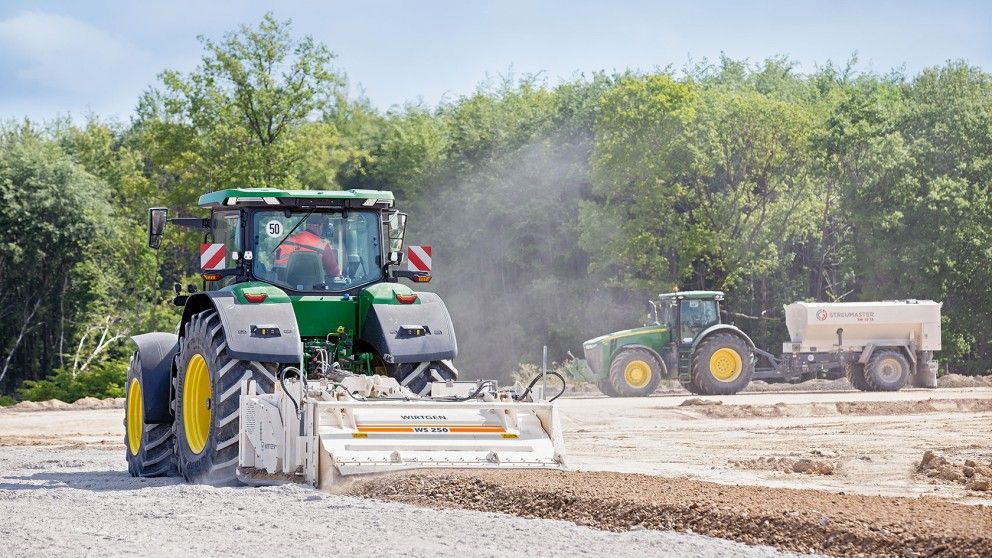
Soil stabilization can involve mechanical processes, chemical additives, or environmentally adapted solutions. The choice of stabilizer depends on soil type, environmental conditions, and intended land use.
Importance: Why Soil Stabilizers Matter Today
Soil stabilizers play a critical role in modern land use and infrastructure development. As urban expansion, transportation networks, and climate variability increase, the need for reliable ground performance becomes more significant.
This topic affects a wide range of stakeholders, including:
-
Civil engineers and planners
-
Infrastructure developers
-
Environmental specialists
-
Agricultural and land management professionals
Key problems soil stabilizers help address include:
-
Weak or expansive soil conditions
-
Erosion caused by water or wind
-
Uneven settlement under structural loads
-
Reduced durability of unprotected surfaces
Stabilized soil improves safety, longevity, and predictability in construction and land management. It also supports sustainable practices by enabling the use of existing soil rather than replacing it entirely, which reduces material transportation and environmental disturbance.
Recent Updates: Developments and Trends in Soil Stabilization
In recent months, soil stabilization practices have continued to evolve due to advancements in material science and environmental awareness. Research has increasingly focused on low-impact stabilizers that reduce environmental side effects while maintaining performance.
Notable trends include:
-
Increased use of bio-based and polymer stabilizers
-
Improved testing methods for soil behavior prediction
-
Greater emphasis on moisture-resistant stabilization techniques
-
Integration of digital soil analysis and modeling tools
Industry guidelines have also been updated to reflect improved testing standards and performance monitoring. These updates aim to enhance reliability while aligning soil treatment practices with environmental and infrastructure resilience goals.
Laws or Policies: Regulatory Influence on Soil Stabilization
Soil stabilization is guided by engineering standards, environmental regulations, and land-use policies. Authorities typically require that soil treatment methods meet safety, durability, and environmental protection criteria.
Regulatory frameworks generally focus on:
-
Soil classification and testing requirements
-
Environmental impact assessments
-
Acceptable material composition and application methods
-
Long-term performance and monitoring standards
These rules ensure that stabilization practices protect surrounding ecosystems, groundwater quality, and public safety. While regulations vary by region, the overall objective remains consistent: ensuring responsible and technically sound soil improvement methods.
Tools and Resources: Helpful Support for Soil Stabilization Knowledge
Several tools and resources assist professionals and learners in understanding and applying soil stabilization concepts. These resources support analysis, planning, and education.
Commonly used tools include:
-
Soil classification charts and reference tables
-
Compaction and moisture content calculators
-
Geotechnical analysis software
-
Laboratory testing guidelines and manuals
-
Educational platforms focused on geotechnical engineering
Digital resources often provide:
-
Soil behavior simulations
-
Material compatibility references
-
Performance comparison models
-
Risk assessment templates
These tools help users make informed decisions based on soil properties and intended application.
Overview of Common Soil Stabilizer Types
| Stabilizer Category | Primary Function | Typical Soil Types |
|---|---|---|
| Mechanical Methods | Density improvement | Granular soils |
| Chemical Binders | Strength enhancement | Clay and silt |
| Polymer Stabilizers | Moisture resistance | Mixed soils |
| Natural Additives | Environmental balance | Agricultural land |
Performance Factors Influencing Soil Stabilization
| Factor | Influence on Results |
|---|---|
| Soil Composition | Determines stabilizer compatibility |
| Moisture Levels | Affects curing and durability |
| Load Conditions | Impacts long-term strength |
| Climate Exposure | Influences erosion resistance |
FAQs: Common Questions About Soil Stabilizers
What is the main purpose of soil stabilizers?
Soil stabilizers are used to improve soil strength, durability, and resistance to environmental factors such as moisture and erosion.
Are soil stabilizers suitable for all soil types?
Different stabilizers are designed for specific soil conditions. Proper soil testing is essential to determine suitability.
How long do stabilized soils remain effective?
Effectiveness depends on material type, application method, and environmental conditions. Properly treated soil can maintain improved properties over extended periods.
Do soil stabilizers affect the environment?
Modern stabilization methods are developed to minimize environmental impact when applied according to guidelines.
Is soil stabilization only used in construction?
No. Soil stabilization is also applied in agriculture, erosion control, and land rehabilitation projects.
Conclusion
Soil stabilizers are an essential component of modern land and infrastructure development. They address natural soil limitations by enhancing strength, durability, and performance under varying conditions. Through ongoing innovation, improved testing methods, and regulatory oversight, soil stabilization continues to support safer construction practices and responsible land management.
Understanding the basics, importance, and available resources allows individuals and organizations to make informed decisions about soil improvement. As environmental and structural demands grow, soil stabilization remains a foundational practice in achieving long-lasting and resilient ground conditions.