Soil Nailing Rigs: Complete Guide, Basics, and Essential Knowledge Overview
Soil nailing rigs are specialized pieces of geotechnical engineering equipment used to stabilize slopes, excavations, and retaining structures. They drill holes into soil or rock formations where steel reinforcing bars, called “soil nails,” are inserted and grouted in place. These nails reinforce the ground mass, creating a stable and secure structure.
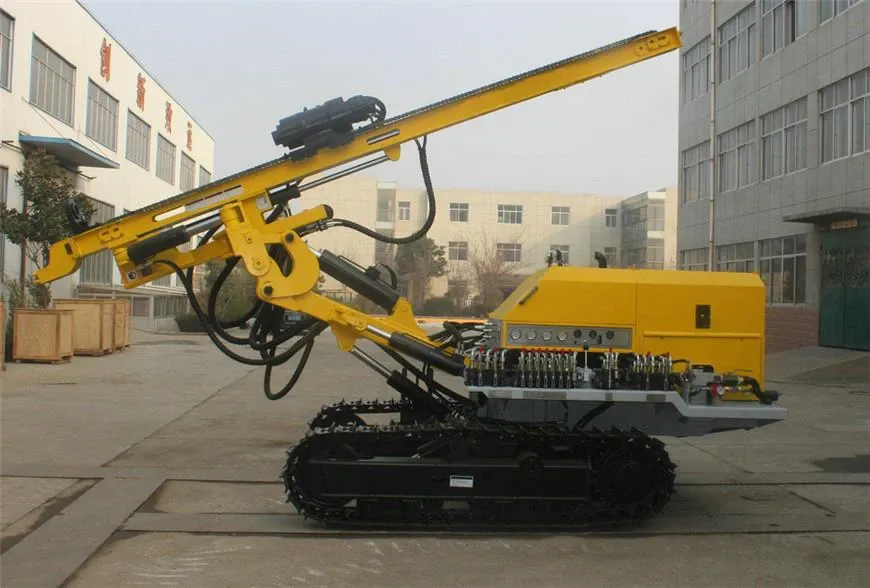
The concept of soil nailing developed as urban areas expanded and construction projects began taking place in tighter spaces with challenging terrain. Traditional retaining walls required more excavation and material. Soil nailing provided a method that is often more adaptable and efficient in complex site conditions.
A soil nailing system generally includes:
-
A drilling rig (often crawler-mounted or track-mounted)
-
Hollow or solid drill rods
-
Grouting systems
-
Reinforcing steel bars
-
Shotcrete or facing panels
These rigs are commonly seen in infrastructure development projects such as highways, tunnels, bridge abutments, and deep basement excavations. They are part of broader slope stabilization systems and foundation engineering tools used in modern construction.
Importance – Why Soil Nailing Rigs Matter Today
As cities grow vertically and infrastructure expands horizontally, ground stabilization technology has become increasingly important. Soil nailing rigs support construction in areas with unstable slopes, soft soils, or restricted urban spaces.
Their importance can be understood in several ways.
They enhance construction safety compliance by reducing the risk of landslides and excavation collapse. Stabilized slopes protect workers, nearby buildings, and transportation routes.
They improve land usability. Areas that were once considered too unstable for development can be reinforced and safely integrated into projects.
They support sustainable infrastructure development. Compared to large retaining walls, soil nailing often requires less material and smaller excavation footprints.
Below is a simplified comparison table showing soil nailing versus traditional retaining walls.
| Feature | Soil Nailing System | Conventional Retaining Wall |
|---|---|---|
| Excavation Required | Moderate | Extensive |
| Flexibility in Tight Spaces | High | Limited |
| Adaptability to Slopes | Very Good | Moderate |
| Construction Speed | Relatively Fast | Slower |
| Environmental Disturbance | Lower | Higher |
Soil nailing rigs affect a wide range of stakeholders:
-
Civil engineers and geotechnical consultants
-
Construction contractors
-
Urban planners
-
Infrastructure authorities
-
Environmental assessment teams
By reinforcing the ground in situ, these systems solve problems related to erosion control, excavation stability, and structural support.
Recent Updates – Trends and Developments
In recent months, the field of geotechnical engineering equipment has seen gradual technological improvements rather than dramatic shifts.
Automation and digital monitoring systems have become more common in drilling operations. Modern soil nailing rigs may include:
-
Remote-control operation features
-
Real-time drilling data monitoring
-
Integrated depth and angle sensors
-
Telematics for equipment performance tracking
There has also been a growing focus on reducing vibration and noise levels in urban construction zones. Updated hydraulic systems and improved drill head designs are helping meet stricter construction safety compliance expectations.
Another notable trend has been the integration of Building Information Modeling (BIM) with ground stabilization technology. Engineers now simulate slope stabilization systems digitally before on-site execution, improving accuracy and coordination.
The use of corrosion-resistant materials in soil nails has increased as well, especially in coastal or high-moisture environments. These improvements enhance the long-term durability of retaining wall construction and slope stabilization systems.
Sustainability has also influenced equipment design. Some manufacturers have introduced rigs with more fuel-efficient engines and lower emission profiles to align with evolving environmental standards.
Laws or Policies – Regulatory and Compliance Considerations
Soil nailing rigs operate within a framework of construction safety and environmental regulations. While regulations differ by region, certain common policy areas apply.
Construction safety regulations typically require:
-
Stability analysis and documented engineering calculations
-
Qualified supervision by licensed engineers
-
Routine inspection of drilling equipment
-
Worker safety training and protective measures
Environmental protection rules may address:
-
Soil erosion control
-
Groundwater contamination prevention
-
Noise and vibration limits
-
Proper disposal of drilling slurry and grout materials
Infrastructure development projects funded or overseen by public authorities often require compliance with national building codes and geotechnical design standards. These standards define:
-
Minimum nail spacing
-
Load testing requirements
-
Grout quality specifications
-
Facing thickness standards
In many jurisdictions, environmental impact assessments must be conducted before slope stabilization systems are installed near sensitive areas such as rivers or protected landscapes.
Compliance ensures that soil nailing rigs contribute to safe, stable, and sustainable construction practices.
Tools and Resources – Helpful References and Technical Aids
Professionals working with soil nailing rigs rely on various digital and technical tools.
Commonly used resources include:
-
Geotechnical analysis software for slope stability modeling
-
Structural design calculators for nail load capacity
-
Drilling performance monitoring systems
-
BIM platforms for construction coordination
-
Technical manuals from equipment manufacturers
Below is a simplified example of parameters engineers may evaluate using digital tools.
| Parameter | Typical Range Considered |
|---|---|
| Nail Inclination Angle | 10°–20° downward |
| Nail Spacing | 1–2 meters |
| Nail Length | 0.7–1.0 × wall height |
| Grout Strength | Based on soil classification |
Online educational platforms also provide webinars and engineering publications focused on foundation engineering tools and retaining wall construction methods.
Industry associations and civil engineering institutions publish updated guidelines related to slope stabilization systems and construction safety compliance.
These tools and resources support informed decision-making and reduce technical risk during project planning and execution.
How Soil Nailing Works – Simple Process Overview
The process of soil nailing generally follows these steps:
-
Excavation is carried out in stages.
-
A soil nailing rig drills holes into the exposed soil face.
-
Steel reinforcing bars are inserted into the drilled holes.
-
Grout is pumped to bond the nails with surrounding soil.
-
A facing layer, often shotcrete, is applied to the surface.
Below is a simplified conceptual diagram representation.
| Step | Action | Purpose |
|---|---|---|
| 1 | Stage excavation | Control ground exposure |
| 2 | Drill holes | Prepare for reinforcement |
| 3 | Insert steel nails | Provide tensile strength |
| 4 | Grout installation | Bond soil and reinforcement |
| 5 | Apply facing | Protect and distribute loads |
Each step contributes to creating a reinforced soil mass that behaves like a stable retaining structure.
FAQs – Frequently Asked Questions
What types of projects use soil nailing rigs?
Soil nailing rigs are commonly used in highway embankments, tunnel portals, deep basement excavations, bridge abutments, and landslide stabilization projects.
How deep can soil nails typically be installed?
The depth varies depending on soil conditions and design requirements. Engineers determine nail length through geotechnical analysis, often based on wall height and load conditions.
Is soil nailing suitable for all soil types?
It works best in stiff soils, dense sands, and weathered rock. Very loose or highly saturated soils may require alternative ground stabilization technology or additional reinforcement measures.
How is long-term durability ensured?
Corrosion protection methods, such as epoxy coatings or galvanized steel, are applied. Proper grout coverage and drainage systems also help extend service life.
What is the difference between soil nailing and ground anchors?
Soil nailing is typically passive reinforcement installed during staged excavation, while ground anchors are often tensioned actively to provide immediate load resistance.
Conclusion
Soil nailing rigs play a critical role in modern geotechnical engineering equipment and slope stabilization systems. They enable safe excavation in challenging environments, support infrastructure development projects, and contribute to improved construction safety compliance.
Advancements in digital monitoring, automation, and sustainability have enhanced their reliability and performance. As urban development continues and land use becomes more complex, ground stabilization technology such as soil nailing will remain an essential part of foundation engineering tools and retaining wall construction practices.
By understanding how soil nailing rigs function, the regulatory context in which they operate, and the tools available for design and monitoring, stakeholders can make informed decisions that promote structural stability, environmental responsibility, and long-term infrastructure resilience.