Snow Blowers Guide: Explore Basics, Tips, Insights, and Essential Knowledge
Snow blowers are machines designed to remove snow from surfaces such as roads, driveways, runways, and industrial areas. They were developed to address the challenges of heavy snowfall in regions where manual snow clearing is slow and physically demanding. Over time, these machines have evolved from small residential units to construction grade snow blowers and industrial snow blower machines capable of handling large-scale operations.
Modern snow blowers use rotating augers or impellers to collect and discharge snow away from cleared areas. In industrial settings, heavy duty snow blowers and commercial snow blower equipment are often used for clearing wide surfaces efficiently. These machines are now a key part of construction snow removal equipment and winter maintenance strategies across various sectors.
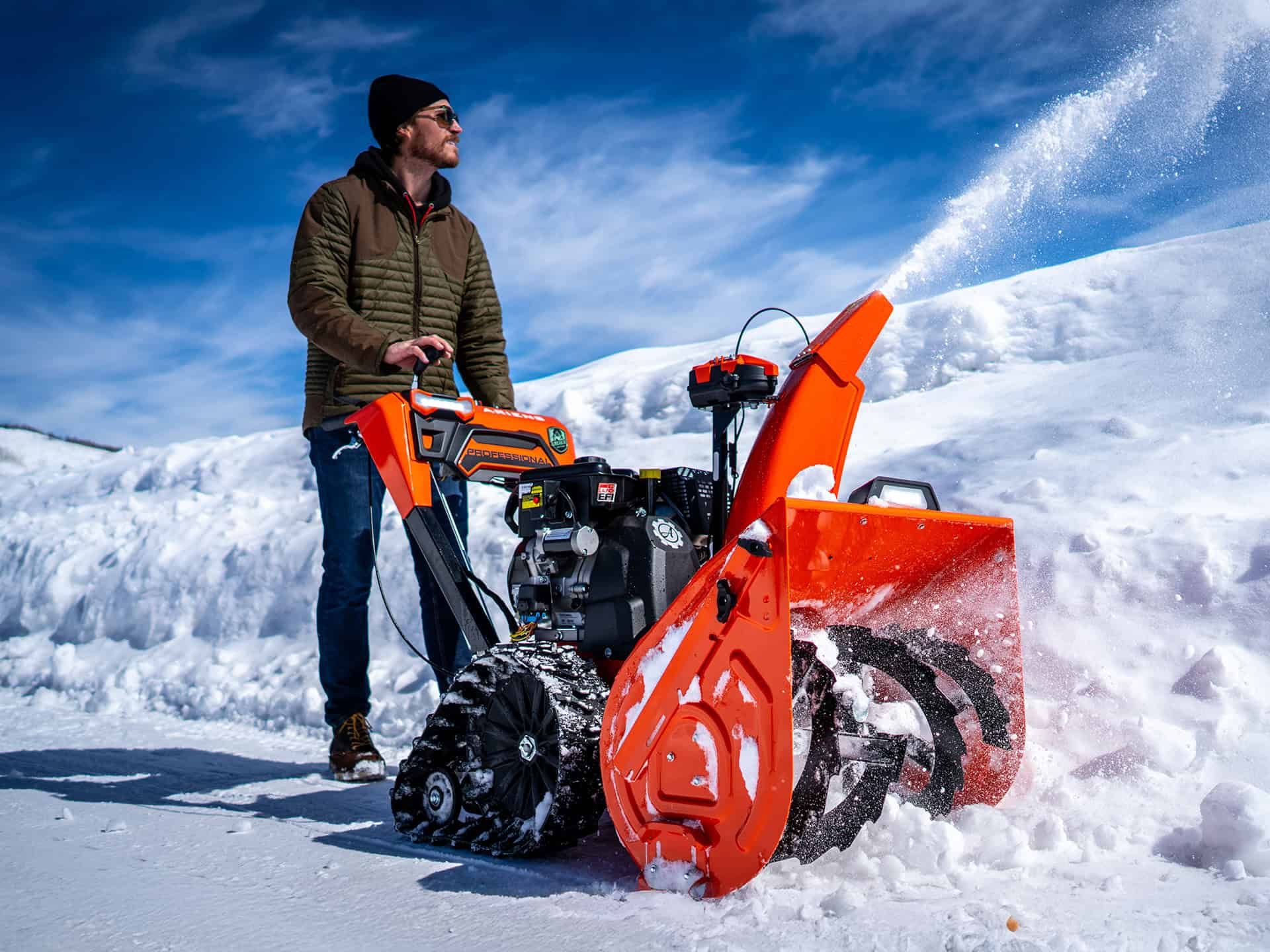
In addition, specialized equipment such as skid steer snow blower attachments allows operators to adapt existing machinery for snow removal tasks. This flexibility has made snow blowers a common tool in both urban and remote environments.
Importance
Snow removal is essential for maintaining safety and accessibility during winter. Accumulated snow can block transportation routes, disrupt daily activities, and create hazards for pedestrians and vehicles. Industrial winter maintenance equipment, including heavy equipment snow blowers, helps reduce these risks by ensuring roads and work areas remain usable.
Different sectors rely on snow blowers for specific needs. Municipal snow removal equipment is used to keep city streets clear, while airport runway snow blowers are critical for maintaining safe aircraft operations. In construction and industrial environments, diesel powered snow blowers are often chosen for their ability to operate in demanding conditions.
Key challenges addressed by snow blowers include:
- Mobility: Clearing snow quickly to maintain transportation flow
- Safety: Reducing accidents caused by icy or snow-covered surfaces
- Efficiency: Handling large volumes of snow in less time
- Accessibility: Keeping essential infrastructure operational
Heavy duty winter equipment solutions are particularly important in regions with frequent snowfall, where delays in snow removal can impact economic activities and public safety.
Recent Updates
Recent developments in snow blower technology reflect a growing focus on efficiency, automation, and environmental considerations. High performance snow blower systems are now designed to improve fuel efficiency while maintaining strong clearing capabilities.
Several trends have emerged:
- Automation integration: Some industrial snow blower machines now include GPS guidance and semi-automated controls to improve accuracy during snow clearing
- Electric and hybrid models: While diesel powered snow blowers remain common, there is gradual interest in alternative power sources to reduce emissions
- Improved attachment systems: Skid steer snow blower attachments are becoming more versatile, allowing operators to switch between tasks with minimal downtime
- Enhanced durability: Premium industrial snow blowers are being built with materials that can withstand extreme cold and prolonged use
Digital monitoring is also gaining attention. Some digital warehouse RFID platforms and tracking systems are being adapted for equipment monitoring, helping organizations track usage and maintenance schedules of their snow removal fleets.
Laws or Policies
Snow removal practices are influenced by government regulations and local policies, especially in countries that experience heavy winter conditions. These rules are designed to ensure public safety, environmental protection, and operational efficiency.
Common policy areas include:
- Public safety regulations: Municipal authorities often require timely snow removal from roads, sidewalks, and public spaces
- Equipment standards: Industrial winter maintenance equipment may need to meet safety and emission standards set by regulatory bodies
- Environmental guidelines: Restrictions may apply to fuel use, emissions, and disposal of snow in certain areas
- Airport regulations: Airport runway snow blowers must comply with aviation safety guidelines to ensure runways remain operational
In many regions, municipal snow removal equipment is part of organized winter response plans. These plans outline responsibilities for clearing public infrastructure and may include coordination between government agencies and contractors.
Tools and Resources
Various tools and resources help operators and organizations manage snow removal tasks more effectively. These include both physical equipment and digital solutions.
Equipment Types
Different snow blower categories serve different needs:
- Single-stage machines: Suitable for light snow and smaller areas
- Two-stage machines: Common in heavy duty snow blowers for deeper snow
- Three-stage systems: Used in high performance snow blower systems for faster and more efficient clearing
- Attachment-based systems: Skid steer snow blower attachments for multi-purpose machinery
Comparison Table of Snow Blower Types
| Type | Typical Use Area | Power Source | Key Feature |
|---|---|---|---|
| Single-stage | Small residential spaces | Electric or gasoline | Lightweight and simple operation |
| Two-stage | Medium to large areas | Gasoline or diesel | Handles deeper snow efficiently |
| Three-stage | Industrial environments | Diesel powered | High-speed snow clearing |
| Attachment-based | Construction sites | Host machine powered | Flexible and multi-functional |
| Runway snow blowers | Airports | Diesel powered | Clears wide surfaces quickly |
Digital and Planning Tools
Operators and planners may use:
- Weather tracking platforms to anticipate snowfall
- Maintenance scheduling tools to manage heavy equipment snow blowers
- Fleet monitoring systems for municipal snow removal equipment
- Mapping tools to plan efficient snow clearing routes
These resources support better coordination and reduce downtime during winter operations.
FAQs
What are construction grade snow blowers used for?
Construction grade snow blowers are designed for large-scale snow removal tasks on construction sites, roads, and industrial areas. They are built to handle heavy snow and operate in demanding environments.
How do industrial snow blower machines differ from residential models?
Industrial snow blower machines are larger, more powerful, and capable of clearing significant volumes of snow quickly. They are often part of commercial snow blower equipment used in municipalities, airports, and industrial facilities.
What are skid steer snow blower attachments?
Skid steer snow blower attachments are add-ons that connect to skid steer loaders. They allow operators to use existing machinery for snow removal, making them useful in construction snow removal equipment setups.
Why are diesel powered snow blowers commonly used?
Diesel powered snow blowers are often chosen for their durability and ability to operate for long periods. They are commonly used in heavy equipment snow blowers and industrial winter maintenance equipment.
What makes airport runway snow blowers different?
Airport runway snow blowers are designed to clear wide areas quickly and efficiently. They must meet strict safety and operational standards to ensure runways remain safe for aircraft operations.
Conclusion
Snow blowers play a critical role in maintaining safety and accessibility during winter conditions. From residential units to heavy duty snow blowers and industrial systems, these machines address a wide range of snow removal needs. Advances in technology continue to improve efficiency, durability, and operational control. Understanding the types, uses, and regulations associated with snow blowers helps provide a clearer view of their role in modern infrastructure.