Smart Wearable Glasses Explained: Overview, Facts, and Helpful Information
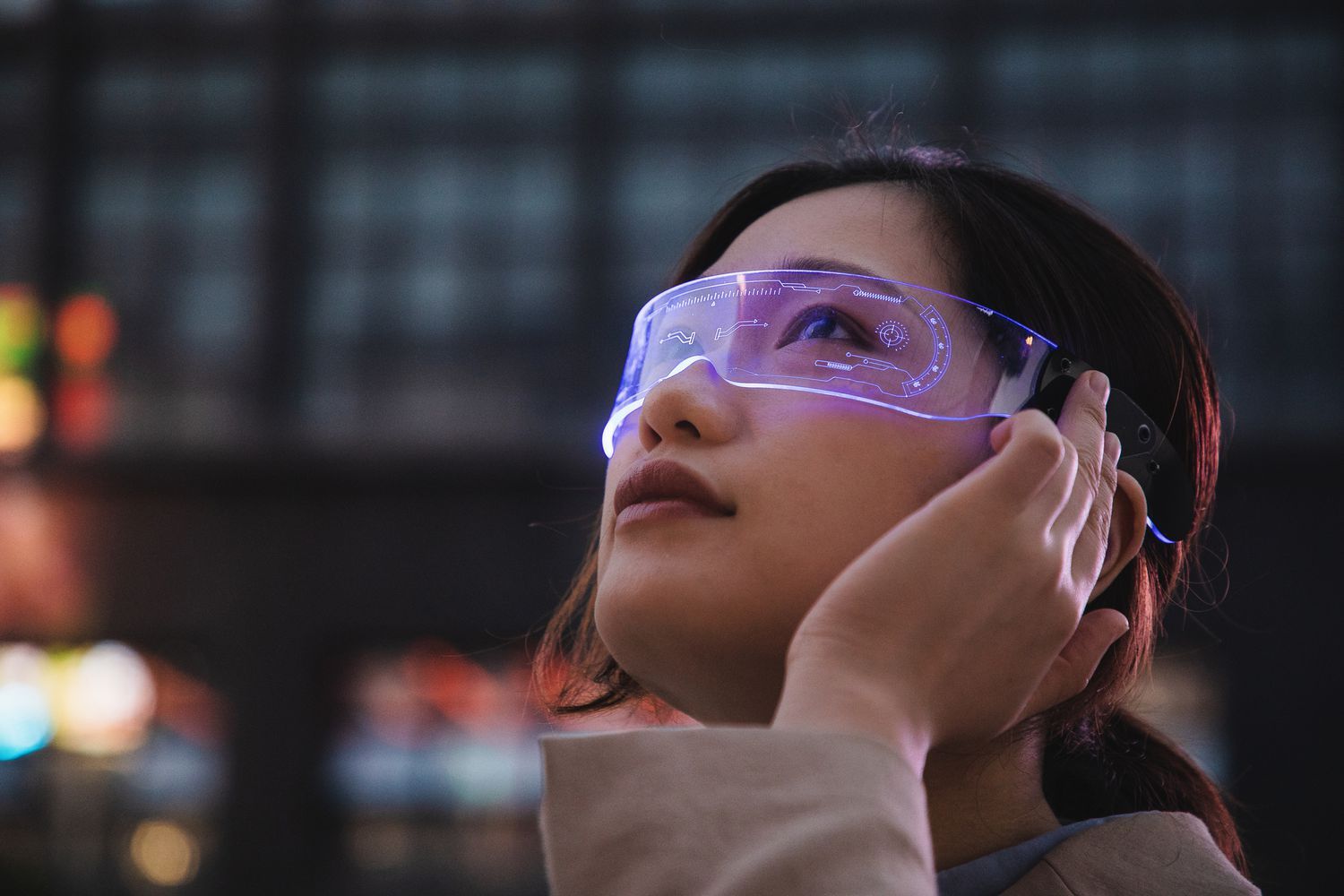
Smart wearable glasses are electronic eyewear that combine traditional glasses with digital technologies such as sensors, displays, cameras, microphones, and wireless connectivity. They exist to extend digital information beyond handheld screens and place it directly within a user’s natural field of view. Instead of checking a phone or computer, users can access notifications, navigation cues, visual instructions, or contextual data through subtle on-lens visuals or audio prompts.
The concept emerged from advances in miniaturized electronics, mobile computing, and optical engineering. As smartphones reached maturity, researchers and manufacturers explored hands-free interfaces that could reduce screen dependence while increasing real-time awareness. Smart wearable glasses are designed to support this goal by blending physical surroundings with digital overlays, often referred to as augmented reality (AR).
Importance
Smart wearable glasses matter today because they address practical challenges created by screen-centric technology. Many tasks require hands-free access to information, situational awareness, and quick decision-making. These devices affect a wide range of users, including professionals, students, commuters, and individuals with accessibility needs.
Key reasons this topic is important include:
-
Hands-free information access for activities where phones are impractical
-
Improved productivity through real-time guidance and visual prompts
-
Enhanced accessibility for people with hearing, vision, or mobility limitations
-
Reduced screen dependency, supporting more natural interaction with surroundings
-
Context-aware computing, where information adapts to location and activity
Smart wearable glasses help solve problems related to distraction, inefficiency, and limited situational awareness, especially in environments where speed and accuracy matter.
Recent Updates
Over the past year, smart wearable glasses have seen notable technological refinement rather than radical redesign. Display systems have become lighter and clearer, with improved waveguide optics that reduce eye strain. Battery efficiency has improved through low-power processors and adaptive brightness controls.
Recent trends include:
-
AI-assisted visual recognition, enabling object identification and text interpretation
-
Voice-first interaction models, reducing reliance on touch controls
-
Improved privacy indicators, such as visible recording alerts
-
Integration with health and fitness ecosystems for posture and movement insights
Several research announcements have highlighted progress in micro-LED displays and on-device processing, reducing the need for constant cloud connectivity. These changes indicate a shift toward more practical, everyday usability rather than experimental concepts.
Laws or Policies
Smart wearable glasses are influenced by general digital, privacy, and consumer safety regulations rather than device-specific laws. Rules governing data protection, audiovisual recording, wireless communication, and accessibility standards apply to their design and use.
Key regulatory considerations include:
-
Data privacy requirements related to cameras and microphones
-
Wireless communication standards for Bluetooth and Wi-Fi connectivity
-
Accessibility guidelines ensuring inclusive design
-
Public space recording rules that affect how devices can be used
Manufacturers typically incorporate visible indicators, user controls, and data management options to align with these frameworks. Users are expected to follow local regulations when using recording or data-capturing features.
Tools and Resources
A range of tools and resources support learning and effective use of smart wearable glasses. These focus on setup, content development, and understanding capabilities rather than commercial promotion.
Helpful resources include:
-
Developer platforms for creating AR visual content
-
Mobile companion applications for configuration and updates
-
User documentation libraries explaining features and limitations
-
Accessibility settings dashboards for captions, contrast, and audio support
Examples of widely discussed platforms and reference devices include Google Glass and Microsoft HoloLens, which are often cited in educational materials and research papers for their influence on the category.
Functional Overview Table
| Feature Area | Description | Practical Benefit |
|---|---|---|
| Optical Display | Transparent or semi-transparent lens projection | Keeps attention on surroundings |
| Audio Output | Directional speakers or bone conduction | Discreet information delivery |
| Sensors | Motion, light, and location sensors | Context-aware responses |
| Connectivity | Wireless link to other devices | Real-time data access |
| Controls | Voice, gesture, or touch | Hands-free operation |
Usage Distribution Chart (Conceptual)
| Use Case Category | Relative Adoption |
|---|---|
| Navigation & Travel | High |
| Workplace Guidance | Medium |
| Accessibility Support | Medium |
| Learning & Training | Growing |
| Entertainment | Limited |
This overview reflects general adoption patterns observed in public research summaries and technology analyses.
FAQs
What do smart wearable glasses actually display?
They display small visual elements such as text, symbols, maps, or simple graphics layered onto the user’s view or presented just outside the main line of sight.
Are smart wearable glasses the same as virtual reality headsets?
No. Virtual reality blocks out the physical world, while smart wearable glasses are designed to overlay digital information onto real surroundings.
Do these glasses constantly record video?
Recording depends on user settings and device design. Many models require deliberate activation and provide visible indicators when recording is active.
Can smart wearable glasses work without a phone?
Some models perform limited functions independently, but many rely on a paired device for connectivity and processing.
Are they suitable for everyday use?
They are increasingly designed for daily scenarios, though comfort, battery life, and social acceptance continue to evolve.
Conclusion
Smart wearable glasses represent a gradual shift toward more natural, hands-free interaction with digital information. By placing relevant data directly within the user’s field of view, they aim to reduce friction between people and technology. Ongoing improvements in optics, power efficiency, and AI integration suggest a future where these devices become quieter, lighter, and more context-aware.
As awareness grows and design matures, smart wearable glasses are likely to remain an important topic in discussions about accessibility, productivity, and responsible digital innovation.