Smart Door & Window Robots: An Explore Guide with Basics and Explanation
Smart door and window robots are automated systems designed to open, close, lock, unlock, or adjust doors and windows using sensors, motors, and digital controls. These systems combine robotics, embedded electronics, and software to reduce manual effort and improve precision in everyday building operations.
The idea behind these robots emerged from the broader evolution of building automation and intelligent environments. As homes, offices, and public buildings became more connected, traditional mechanical doors and windows started to feel limited. Smart door and window robots exist to bridge this gap by enabling controlled movement, monitoring, and response to environmental or user-defined conditions.
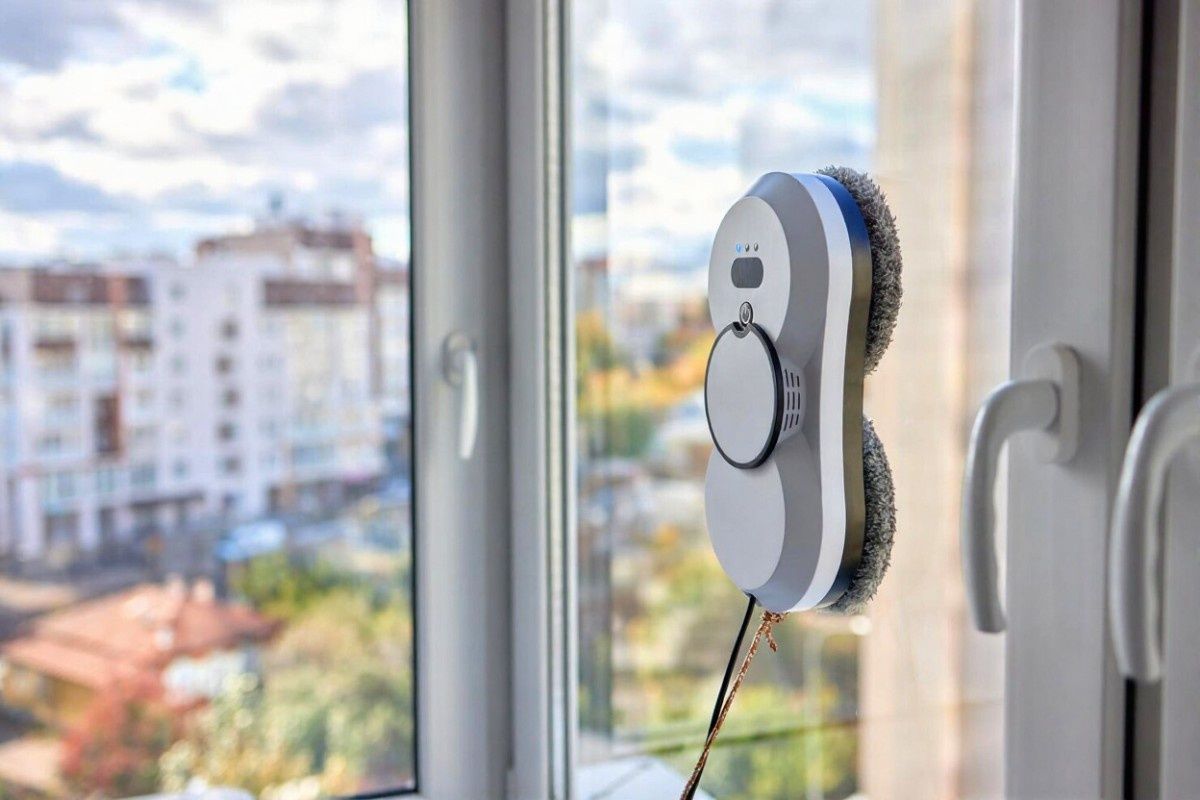
At their core, these robots are not humanoid machines but compact robotic mechanisms integrated into frames, hinges, or rails. They are designed to work quietly in the background, supporting daily routines while maintaining safety and consistency. This guide provides a clear explanation of how they function, why they matter, and how they fit into modern infrastructure.
Importance
Smart door and window robots matter because buildings today face multiple challenges related to accessibility, safety, energy efficiency, and operational reliability. Manual systems depend entirely on human action, which can lead to inconsistencies, delays, or physical strain.
These robotic systems affect a wide range of users, including residents, facility managers, architects, and automation engineers. They are particularly relevant in environments where doors and windows are used frequently or must respond quickly to changing conditions.
Key problems they help address include:
-
Limited accessibility for people with reduced mobility
-
Inconsistent ventilation and indoor comfort
-
Security risks from doors or windows left open unintentionally
-
Wear and tear caused by repeated manual operation
By automating routine actions, smart door and window robots contribute to smoother building operations. They also support data-driven decision-making by providing usage logs and environmental feedback. This makes them a valuable component in modern intelligent buildings and infrastructure planning.
Recent Updates
In recent months, smart door and window robotics have shown noticeable progress in sensing accuracy and system integration. Developers have focused on improving motion control algorithms to ensure smoother and quieter operation. This has helped reduce mechanical stress and extended component lifespan.
Another visible trend is the tighter integration with broader automation platforms. Instead of operating as isolated units, these robots increasingly function as part of unified building systems that respond to temperature, air quality, or occupancy patterns.
Advancements in edge computing have also influenced these robots. More processing now happens locally within the device, allowing faster responses without relying heavily on constant network connectivity. This shift improves reliability during connectivity interruptions and supports privacy-focused designs.
There is also growing attention to fail-safe mechanisms. Recent design updates emphasize manual override options and obstacle detection features, ensuring that automation does not compromise safety during unexpected situations.
Laws or Policies
Smart door and window robots are influenced by general building safety rules, electrical standards, and automation guidelines. Regulations typically focus on user safety, emergency operation, and electrical compliance rather than the robotic function itself.
Common regulatory considerations include:
-
Requirements for emergency manual operation
-
Electrical insulation and wiring standards
-
Fire safety compatibility with automated openings
-
Accessibility guidelines for automated building elements
These policies aim to ensure that automation enhances safety rather than creating new risks. Compliance usually involves system testing, documentation, and alignment with existing building codes. As automation becomes more common, regulatory frameworks continue to adapt to cover robotic building components more clearly.
Tools and Resources
Several tools and resources help users and professionals understand, plan, and evaluate smart door and window robots. These resources focus on learning, simulation, and system management rather than commercial activity.
Helpful categories include:
-
Design simulation software for modeling door and window movement
-
Energy efficiency calculators to estimate airflow and insulation impact
-
Technical documentation libraries explaining sensors and actuators
-
Open-source automation platforms for testing control logic
-
Maintenance tracking dashboards for monitoring usage cycles
These tools support informed decision-making and technical understanding. They are often used in research, education, and building design workflows to ensure systems perform as expected over time.
Functional Overview Table
| Component | Purpose | Basic Explanation |
|---|---|---|
| Sensors | Detect conditions | Measure motion, position, or environment |
| Actuators | Create movement | Convert electrical signals into motion |
| Controller | Process logic | Interprets inputs and executes commands |
| Power unit | Supply energy | Provides stable electrical power |
| Safety module | Prevent issues | Stops operation during abnormal events |
Operational Flow Illustration
| Step | Action | Result |
|---|---|---|
| Input detected | Sensor reads condition | System receives data |
| Decision made | Controller processes logic | Movement command generated |
| Motion executed | Actuator moves door or window | Physical action completed |
| Feedback checked | System verifies position | Confirms correct operation |
FAQs
What is the main function of a smart door and window robot?
Its main function is to automate the movement and control of doors or windows using sensors and programmed logic, reducing manual intervention.
Do these robots work without internet connectivity?
Many systems are designed to operate locally. Connectivity may enhance features, but core functions usually remain available offline.
How do safety features work in these systems?
Safety features rely on sensors and control logic to detect obstacles, unusual resistance, or emergency conditions and stop movement when needed.
Are smart door and window robots suitable for existing buildings?
They can be adapted to many existing structures, depending on frame design and electrical compatibility.
What kind of maintenance is generally required?
Maintenance typically involves periodic inspection, software updates, and checking mechanical alignment to ensure smooth operation.
Conclusion
Smart door and window robots represent a practical application of robotics in everyday environments. By combining mechanical precision with digital intelligence, they address real-world challenges related to accessibility, efficiency, and safety.
As buildings continue to evolve into interconnected systems, these robots play a supporting role in creating responsive and adaptable spaces. Understanding their basics, importance, and operational principles helps users and professionals make informed decisions grounded in knowledge rather than assumptions.
This comprehensive guide offers an educational overview designed to support learning, planning, and responsible adoption of smart door and window robotics within modern built environments.