Smart Agriculture Technology: A Complete Guide with Key Insights & Helpful Resources
Smart agriculture technology refers to the use of digital farming tools, precision agriculture methods, and connected technologies to improve farming efficiency. Its purpose is to help farmers monitor crops, manage resources, and make data-driven decisions using systems like IoT sensors, drone monitoring, smart irrigation systems, soil health analytics, and remote sensing in agriculture.
This field exists because traditional farming methods often rely on experience rather than real-time data. Climate variability, water scarcity, changing soil patterns, and increasing demand for sustainable food production pushed agriculture toward digital transformation. Smart agriculture technology fills this need by providing continuous insights about crops, weather, and soil conditions through automated devices and cloud-based platforms.
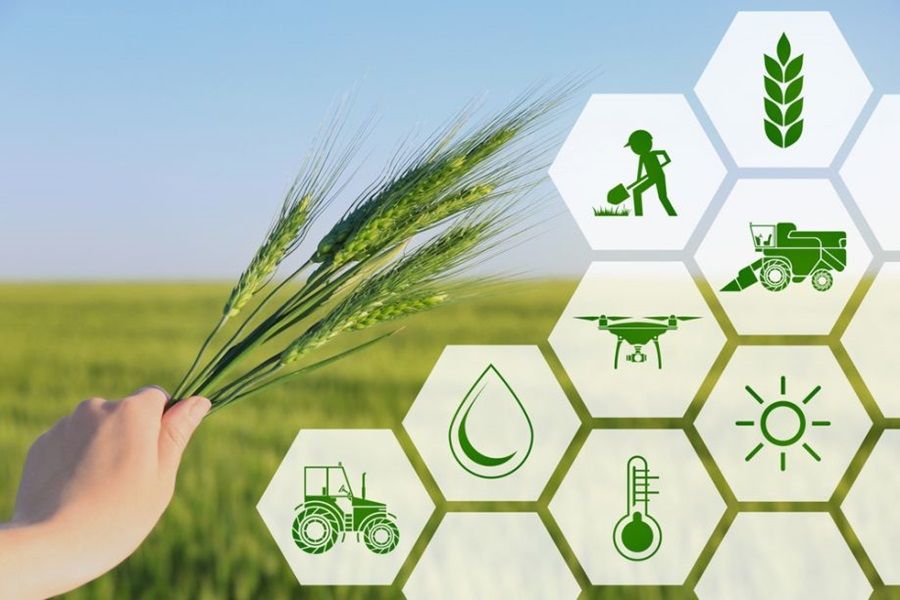
The growth of agritech solutions and innovations such as mobile-based crop management tools, satellite imagery, and AI-powered decision support systems has made advanced technology accessible to even small and medium-scale farms. These developments help farmers better understand their fields and take timely action to improve productivity and reduce risks.
Importance: Why Smart Agriculture Matters Today
Smart agriculture technology plays a vital role in modern food systems, influencing farmers, researchers, agri-organizations, and the wider community.
Why it matters
-
It helps conserve essential resources such as water, soil nutrients, and energy through precision agriculture tools.
-
It improves crop monitoring by giving real-time updates through IoT in farming and remote sensing technology.
-
It reduces uncertainties during unusual weather patterns by offering predictive insights based on historical and real-time data.
-
It supports sustainable farming by reducing excessive input use and minimizing negative environmental impacts.
Who it affects
-
Farmers and growers using digital tools to track crops and soil conditions.
-
Agricultural planners and researchers working with analytics and satellite data.
-
Agri-cooperatives and food supply managers overseeing large-scale production systems.
-
Technology providers and development institutions designing tools for field management.
Problems it solves
-
Limited access to timely field information
-
Poor water management in irrigation-intensive regions
-
Soil nutrient imbalance and crop stress not visible to the eye
-
Lack of predictive insights for planning harvests
-
Heavy dependence on manual monitoring
Through automation, smart sensors, and analytics platforms, farms gain visibility into every critical parameter, from moisture levels to pest activity. This reduces errors, improves decision-making, and supports long-term sustainability goals.
Recent Updates: Trends and Advancements
Smart agriculture continues to evolve rapidly, especially with the rise of AI-powered farming, cloud-based analytics, and automation tools. In the past year, several trends have shaped the field:
Expansion of AI and predictive analytics
Several agritech platforms introduced enhanced AI models that can detect crop diseases earlier, forecast yield expectations, and analyze soil nutrient levels more accurately. Many tools released updated versions that integrate satellite imagery with field-level sensor data to improve precision.
Growth of sensor-based irrigation upgrades
New smart irrigation systems launched in the past year now use weather-based automation, moisture-level detection, and crop-specific water recommendations. These updates help farmers reduce water waste and improve input-use efficiency.
Rising adoption of drone-based field monitoring
Drones equipped with multispectral cameras have become more accessible, providing detailed maps that show plant stress, canopy health, and growth patterns. Several new models were introduced with improved battery life and better imaging capabilities.
Greater integration between mobile apps and farm equipment
Many digital farming apps released updates that allow seamless connectivity between smartphones, sensors, and field devices. This simplifies workflow management and gives farmers a single dashboard for all field data.
Focus on sustainability and climate resilience
Agricultural institutions, technology firms, and environmental groups emphasized smart agriculture as a key tool for climate-resilient farming. Updated datasets, models, and frameworks were introduced to help farmers adapt to changing growing conditions.
Laws and Policies Influencing Smart Agriculture
Smart agriculture technology is shaped by several national and regional policies related to digital innovation, environmental sustainability, land use, and farming modernization. While specific country laws are not mentioned, the common policy themes include:
-
Digital transformation programs that encourage the use of IoT, remote sensing, and automation in agriculture
-
Sustainable farming regulations that promote reduced chemical inputs and water conservation using precision tools
-
Data protection and privacy guidelines that govern how farm data and sensor information can be shared or stored
-
Climate adaptation frameworks supporting technologies that help monitor weather impacts and reduce environmental risks
-
Agriculture modernization initiatives promoting smart machinery, soil analysis tools, and satellite-based decision support systems
These policies aim to improve agricultural productivity, support environmentally responsible practices, and strengthen digital access for farmers. They encourage the adoption of remote sensing in agriculture, soil analytics platforms, and smart monitoring tools to enhance overall efficiency.
Tools and Resources: Helpful Platforms and Technologies
A variety of digital tools support smart agriculture across monitoring, analytics, and decision-making. These resources help farmers track conditions, analyze data, and organize field operations.
IoT and Sensor Tools
-
Soil moisture sensors
-
Automatic weather stations
-
Smart irrigation controllers
-
Nutrient-level monitoring devices
Drone and Imaging Tools
-
Drone mapping platforms
-
Multispectral imaging systems
-
Aerial analysis dashboards
-
Crop-health visualization tools
Remote Sensing Platforms
-
Satellite imagery portals
-
Vegetation index trackers
-
Field-level heat map generators
Analytics and Decision Support Tools
-
Crop growth prediction models
-
Soil analytics platforms
-
Pest and disease detection apps
-
Climate-risk assessment tools
Farm Management Resources
-
Digital notebooks for crop records
-
Field-mapping software
-
Task scheduling and monitoring apps
-
Yield tracking and performance logs
Educational and Research Resources
-
Agricultural data repositories
-
Online weather forecasting tools
-
Climate and soil information databases
-
Research articles on precision agriculture
Below is a sample table summarizing core smart agriculture technology categories:
| Technology Type | Primary Purpose | Key Features |
|---|---|---|
| IoT Sensors | Monitor real-time field data | Moisture, temperature, soil health |
| Drones | Aerial crop monitoring | Image mapping, plant stress detection |
| Remote Sensing | Large-area analysis | Satellite imagery and vegetation indices |
| Analytics Tools | Decision-making support | AI predictions, yield estimates |
| Farm Management Apps | Digital organization | Records, mapping, scheduling |
FAQs
What is the main purpose of smart agriculture technology?
Its purpose is to use digital tools, sensors, and analytics to improve monitoring, resource management, and decision-making in farming.
How does IoT in farming support precision agriculture?
IoT devices collect real-time data about crops, weather, and soil. This helps farmers apply inputs more accurately and reduce waste.
Is drone monitoring necessary for all farms?
Drone monitoring is helpful but optional. It supports detailed field analysis, especially for large or hard-to-monitor areas.
Does smart agriculture reduce environmental impact?
Yes. By optimizing water use, improving nutrient management, and reducing excessive inputs, it contributes to more sustainable practices.
What skills are needed to use digital farming technology?
Basic familiarity with mobile apps, data dashboards, and sensor setup is useful, but many tools are designed for ease of use.
Conclusion
Smart agriculture technology continues to reshape modern farming by integrating precision agriculture, IoT in farming, drone monitoring, and advanced analytics. These tools help farmers understand their fields better, use resources responsibly, and make informed decisions based on accurate, real-time data. With growing adoption of agritech innovations and ongoing improvements in digital tools, smart agriculture remains an important pathway toward sustainability and resilient food systems.
This guide provides essential context, recent updates, key insights, and practical resources to help readers understand how technology supports modern agricultural practices and long-term environmental goals.