Skid Steer Loaders Overview: Discover Facts, Features, and Practical Advice
Skid steer loaders are compact, engine-powered machines widely used in construction equipment, agriculture machinery, and landscaping operations. They are designed with lift arms that can attach to a variety of tools, making them highly versatile for multiple tasks. The name “skid steer” comes from the way the machine turns—by skidding or dragging its wheels or tracks on one side while the other side moves at a different speed.
These machines exist to solve the need for compact heavy equipment that can operate in tight spaces where larger machinery cannot function efficiently. Their small size combined with powerful hydraulic systems allows operators to perform tasks such as digging, grading, lifting, and material handling with precision
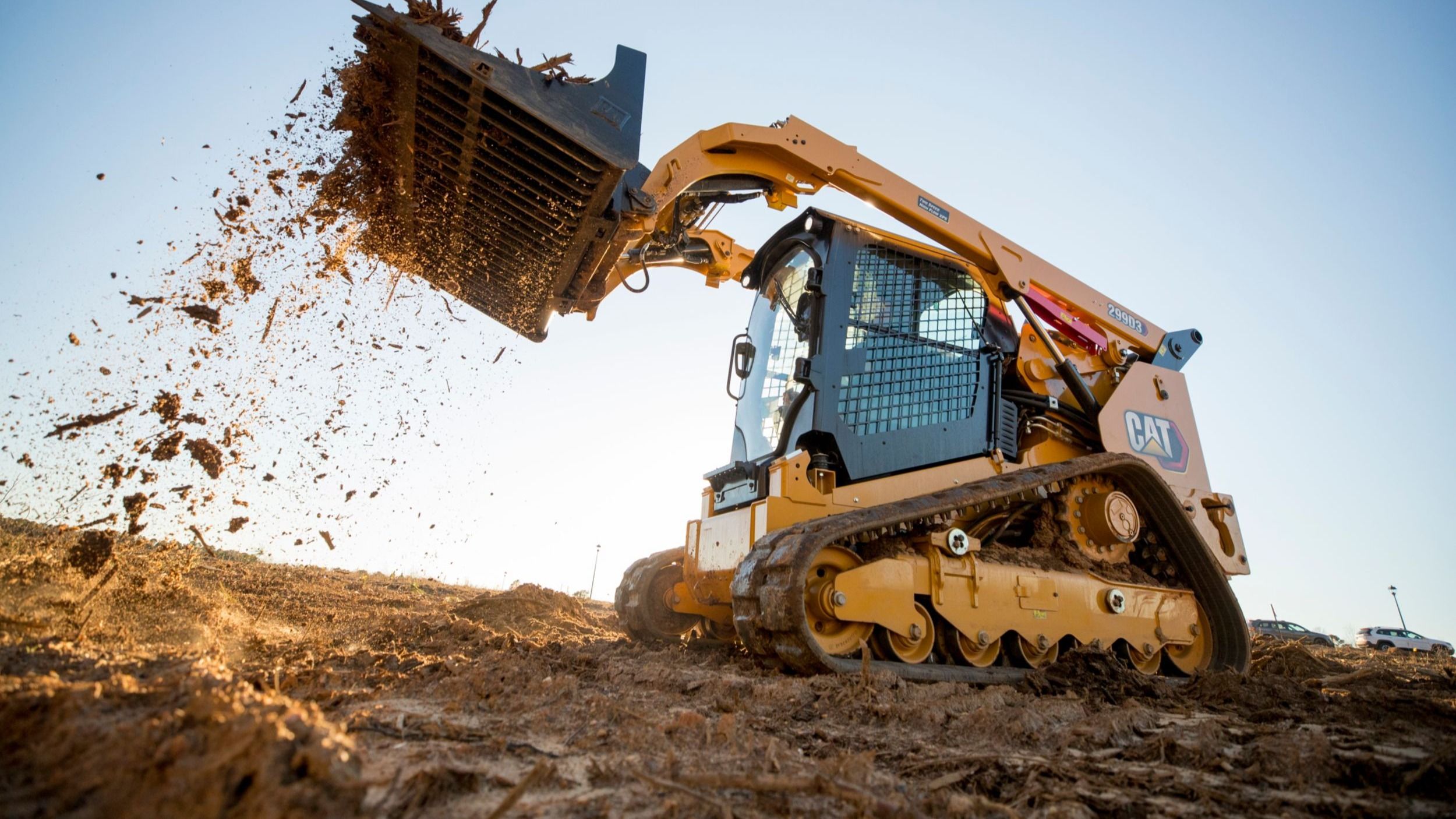
Skid steer loaders have evolved significantly from their early designs. Modern versions include advanced control systems, ergonomic cabins, and compatibility with numerous attachments. This flexibility makes them a key part of equipment fleets in industries where adaptability and efficiency are essential.
Importance – Why Skid Steer Loaders Matter Today
Skid steer loaders play an important role in improving productivity across various sectors. Their ability to perform multiple functions with interchangeable attachments reduces the need for multiple machines, saving time and operational complexity.
Key reasons why skid steer loaders are relevant today include:
-
Compact design for urban and confined areas
Ideal for construction sites, indoor workspaces, and narrow pathways. -
Multi-purpose functionality
Supports attachments like buckets, augers, trenchers, and pallet forks. -
Efficiency in small-scale and large-scale operations
Used in everything from home landscaping to industrial construction. -
Reduced manual labor
Minimizes physical effort and increases safety in material handling. -
Adaptability across industries
Commonly used in construction, agriculture, road maintenance, and snow removal.
In modern workflows, where time management and operational efficiency are critical, skid steer loaders provide a balance between power and maneuverability. They help address challenges such as limited space, labor shortages, and the need for quick task switching.
Recent Updates – Trends and Developments
The skid steer loader market has seen several notable advancements and trends over the past year. These changes reflect broader shifts in construction technology, sustainability, and automation.
Recent developments include:
-
Electric and hybrid models gaining attention
Manufacturers are focusing on low-emission machines that reduce environmental impact and noise levels. -
Smart control systems and telematics integration
Newer models include GPS tracking, remote diagnostics, and performance monitoring tools. -
Improved operator comfort and safety features
Enhanced cabins, better visibility, and advanced safety sensors are becoming standard. -
Attachment innovation
New attachments are being developed to expand machine capabilities, including specialized tools for precision work. -
Automation and semi-autonomous features
Some models now include assisted operation modes, improving accuracy and reducing operator fatigue.
These trends indicate a shift toward smarter, more sustainable construction equipment that aligns with modern infrastructure demands.
Laws or Policies – Regulatory Considerations
The use of skid steer loaders is influenced by general machinery safety regulations, environmental standards, and workplace compliance requirements. While specific rules may vary by region, the following principles are commonly applied:
-
Operator training and certification
Operators are often required to undergo safety training to handle machinery responsibly. -
Workplace safety standards
Guidelines ensure proper use of protective equipment and safe operating procedures. -
Emission regulations
Equipment must comply with environmental standards that limit engine emissions and promote cleaner technologies. -
Maintenance and inspection requirements
Regular checks are necessary to ensure machines remain safe and functional. -
Noise and environmental impact rules
Especially relevant in urban or residential areas where noise control is important.
Government programs and industry guidelines often encourage the adoption of energy-efficient machinery and improved safety practices. Understanding these regulations helps ensure compliance and reduces operational risks.
Tools and Resources – Useful Platforms and Solutions
Several tools and resources can help individuals and businesses better understand and manage skid steer loader operations. These include digital platforms, planning tools, and educational resources.
Helpful tools include:
-
Equipment management software
Tracks machine usage, maintenance schedules, and performance metrics. -
Telematics systems
Provides real-time data on machine location, fuel usage, and operational efficiency. -
Load capacity calculators
Helps determine safe lifting limits and operational parameters. -
Training simulators and e-learning platforms
Offers virtual training for operators to improve skills and safety awareness. -
Maintenance tracking templates
Assists in scheduling inspections and servicing tasks.
Below is a simple example table illustrating common skid steer attachments and their uses:
| Attachment Type | Primary Use | Industry Application |
|---|---|---|
| Bucket | Material handling | Construction, agriculture |
| Auger | Drilling holes | Fencing, landscaping |
| Trencher | Digging trenches | Utilities, irrigation |
| Pallet Forks | Lifting pallets | Warehousing, logistics |
| Brush Cutter | Clearing vegetation | Land management |
Another simplified comparison of machine features:
| Feature | Benefit |
|---|---|
| Compact Size | Access to tight spaces |
| Hydraulic System | High power output |
| Quick Attach Mechanism | Fast tool switching |
| Enclosed Cabin | Operator comfort and safety |
| Track or Wheel Options | Adaptability to terrain |
These tools and resources contribute to better planning, safer operation, and improved efficiency in daily tasks.
FAQs – Common Questions Answered
What is a skid steer loader used for?
A skid steer loader is used for tasks such as digging, lifting, grading, and transporting materials. Its versatility comes from the ability to attach different tools for various applications.
How does a skid steer loader turn?
It turns by varying the speed of wheels or tracks on each side, allowing one side to move faster or slower than the other, creating a skidding motion.
What types of attachments can be used?
Common attachments include buckets, augers, trenchers, pallet forks, and sweepers. Each attachment enables the machine to perform a specific function.
Is operator training necessary?
Yes, proper training is important for safety and efficient operation. It helps reduce risks and ensures the machine is used correctly.
What are the main advantages of skid steer loaders?
Their compact size, versatility, and ability to work in confined spaces make them highly efficient for a wide range of tasks.
Conclusion
Skid steer loaders are an essential part of modern construction and agricultural machinery due to their compact design, versatility, and efficiency. They address the need for flexible equipment that can operate in restricted spaces while handling multiple tasks with ease.
Advancements in technology, including electric models and smart systems, continue to enhance their performance and sustainability. At the same time, adherence to safety regulations and proper training ensures responsible usage.