Site Dumpers Explained: A Complete Guide to Basics, Uses, and Key Insights
Site dumpers are compact construction vehicles designed to transport materials across building sites, infrastructure projects, and industrial work zones. They typically consist of a front-mounted skip or container and a rear operator compartment, allowing operators to move loads such as soil, gravel, sand, demolition debris, or construction aggregates efficiently.
Unlike large haul trucks used in mining or highway construction, site dumpers are built for maneuverability in confined areas. Their compact size, strong load-carrying ability, and simple mechanical design make them suitable for environments where space is limited and terrain conditions may be uneven.
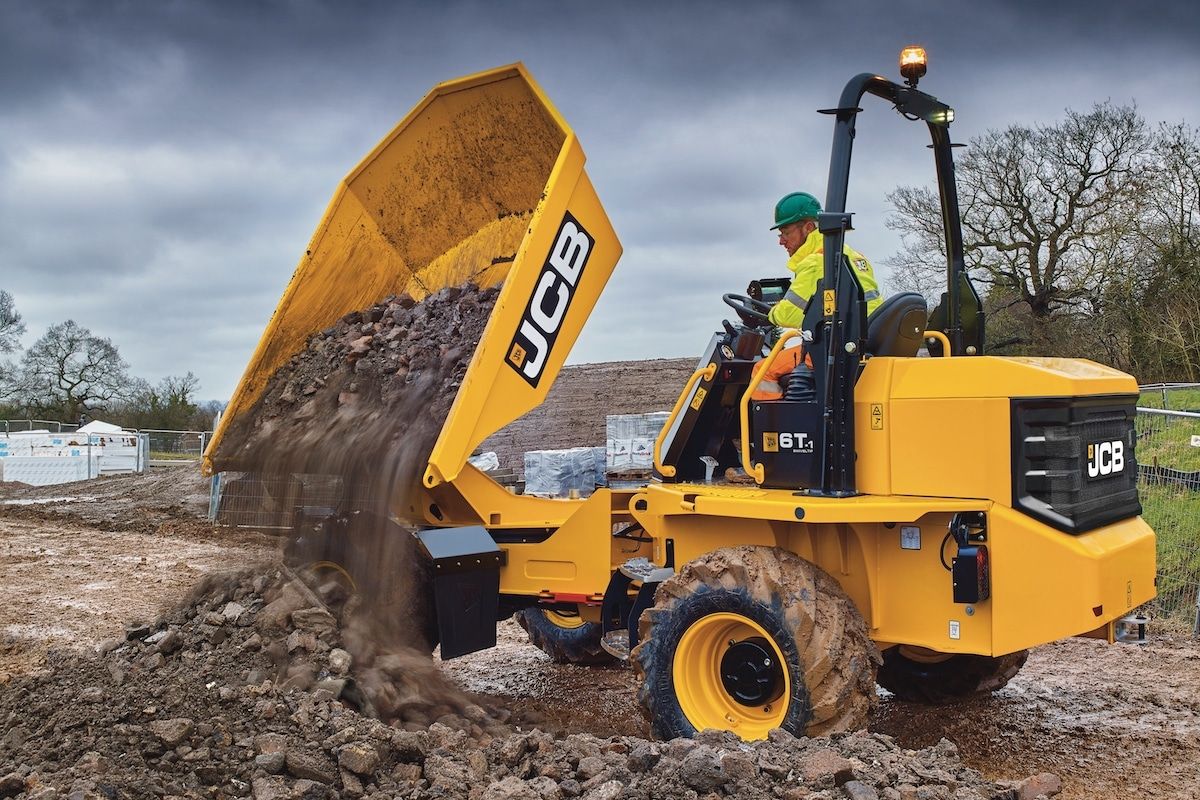
In most construction environments, materials must be moved repeatedly between storage areas, excavation points, and disposal zones. Manual transport methods are inefficient for large quantities, while large vehicles may not fit safely within tight spaces. Site dumpers help bridge this gap by providing a practical method of transporting materials quickly and safely across short distances.
A typical site dumper includes several key components:
-
Front tipping skip: Holds and unloads materials
-
Chassis and frame: Supports the load and vehicle structure
-
Engine and drivetrain: Provide mobility and power
-
Operator controls: Steering, braking, and tipping mechanisms
-
Safety systems: Roll-over protection and visibility features
These machines are widely used in residential construction, road development, landscaping, utility installation, and demolition work. Their role is primarily logistical, ensuring that materials can move efficiently within a project site.
Why Site Dumpers Matter in Modern Construction
Efficient material movement is a central part of construction productivity. Without reliable transport equipment, workers spend excessive time carrying materials manually or waiting for machinery to complete tasks. Site dumpers help streamline this process by providing consistent transport capacity within a manageable vehicle size.
Several factors explain their importance in modern construction operations.
Improved workflow efficiency
Construction sites often involve constant movement of aggregates, excavated soil, and building materials. Site dumpers allow operators to move these materials quickly between work zones. This reduces delays and helps maintain project momentum.
Adaptability to different terrain conditions
Many construction sites involve uneven ground, loose soil, or narrow pathways. Site dumpers are typically designed with strong traction, articulated steering, and compact wheelbases, enabling them to operate safely in challenging environments.
Support for multiple construction activities
Site dumpers are used across different types of projects, including:
-
Road and highway construction
-
Building foundations and structural work
-
Utility and pipeline installations
-
Landscaping and earthmoving operations
-
Demolition and site clearing
Reduced manual handling risks
Transporting heavy materials manually can increase the likelihood of workplace injuries. Using mechanical equipment such as site dumpers reduces the need for repeated lifting or carrying, helping maintain safer working conditions.
The construction industry continues to emphasize productivity and workplace safety. Machinery designed specifically for material transport plays a key role in meeting both objectives.
Recent Developments and Industry Trends
The construction machinery sector continues to evolve as technology improves equipment performance, safety, and environmental efficiency. Over the past year, several trends have influenced the development and use of site dumpers.
Growth of electric and low-emission equipment
Manufacturers have introduced battery-powered site dumpers designed to reduce noise and emissions on construction sites. These machines are particularly useful in urban projects or enclosed environments where traditional diesel engines may produce excessive emissions.
Enhanced safety technology
Modern dumpers increasingly incorporate advanced safety systems such as:
-
Automatic braking assistance
-
Improved visibility cameras
-
Load stability monitoring
-
Operator presence detection
These features aim to reduce accidents associated with overturning or restricted visibility.
Digital monitoring and telematics
Construction companies increasingly rely on equipment monitoring systems to track machine usage, maintenance requirements, and operational efficiency. Telematics systems can provide data on operating hours, fuel usage, and machine performance, helping project managers optimize equipment deployment.
Design improvements for operator comfort
Recent dumper designs emphasize ergonomic seating, improved control layouts, and reduced vibration. These changes support longer operating periods while minimizing operator fatigue.
Industry reports and equipment manufacturer updates released during the past year highlight a growing focus on sustainability, safety, and digital integration across compact construction machinery.
Regulations and Safety Guidelines Affecting Site Dumpers
Construction machinery is generally subject to safety standards and operational guidelines intended to protect workers and maintain safe project environments. While regulations vary across regions, several common principles influence how site dumpers are designed and used.
Workplace safety requirements
Construction sites typically follow occupational safety frameworks that address:
-
Equipment operation training
-
Protective structures for operators
-
Safe load limits
-
Visibility and signaling requirements
Site dumpers commonly include rollover protective structures (ROPS) and seat belts to help protect operators in the event of a vehicle overturn.
Equipment inspection practices
Regular inspections are an important part of construction safety management. Inspections often focus on:
-
Brake systems
-
Steering mechanisms
-
Hydraulic tipping systems
-
Tires and suspension components
Routine checks help ensure machinery operates reliably and safely.
Environmental and emission considerations
Construction equipment may be subject to emission standards that regulate engine output and environmental impact. These standards encourage manufacturers to develop cleaner engine technologies and alternative power systems.
Operator competency guidelines
Many workplace safety frameworks emphasize proper training for machinery operators. Training typically includes understanding controls, recognizing hazards, and following safe operating procedures when transporting loads.
While regulatory frameworks differ by region, the general objective is consistent: reducing workplace risk and ensuring equipment is operated responsibly.
Helpful Tools and Resources for Understanding Site Dumpers
Learning about construction machinery often involves exploring educational resources, equipment documentation, and technical tools. Several resources can help improve understanding of how site dumpers operate and how they fit into construction workflows.
Construction equipment knowledge platforms
Industry websites and equipment documentation portals often provide:
-
Machinery specifications
-
Operation manuals
-
safety guidance
-
equipment comparisons
Engineering and construction calculators
Online calculators can assist with project planning by estimating:
-
Material volumes
-
Earthmoving quantities
-
transport capacity requirements
These tools help determine how frequently site dumpers may need to move materials across a project.
Training and educational materials
Many construction training providers publish learning materials covering:
-
safe machinery operation
-
equipment maintenance principles
-
construction workflow planning
Educational videos and manuals can help new operators understand dumper functionality and safety practices.
Project planning templates
Construction project planning often includes templates for:
-
equipment scheduling
-
material transport planning
-
site logistics management
These templates help project managers coordinate machinery use efficiently.
Common Types of Site Dumpers
Site dumpers vary in design depending on the type of construction environment and material handling requirements. The table below summarizes several common dumper types.
| Dumper Type | Key Feature | Typical Use Case |
|---|---|---|
| Forward Tip Dumper | Skip tips forward to unload material | General construction material transport |
| Swivel Tip Dumper | Skip rotates for side unloading | Tight working spaces |
| High Tip Dumper | Skip lifts higher than standard models | Loading materials into containers |
| Track Dumper | Uses tracks instead of wheels | Soft ground or uneven terrain |
Different models are selected based on terrain conditions, load size, and site accessibility.
Frequently Asked Questions
What is a site dumper used for in construction?
A site dumper is used to transport loose materials such as soil, gravel, sand, or debris across construction sites. Its compact design allows it to operate efficiently in confined work areas.
How is a site dumper different from a dump truck?
Site dumpers are smaller and designed specifically for internal construction site transport. Dump trucks are larger vehicles typically used for transporting materials between locations on public roads or large infrastructure projects.
What materials can be transported using site dumpers?
Common materials include excavated soil, aggregates, sand, crushed stone, demolition waste, and landscaping materials.
Why are articulated dumpers important for small construction sites?
Articulated steering allows the front and rear sections of the machine to pivot, improving maneuverability and stability on uneven terrain or narrow work areas.
What safety precautions are important when operating site dumpers?
Important precautions include maintaining safe load limits, ensuring good visibility, using protective operator structures, and following established workplace safety guidelines.
Conclusion
Site dumpers play an essential role in construction logistics by enabling efficient movement of materials across work areas. Their compact size, strong load capacity, and maneuverability make them particularly valuable in environments where larger vehicles cannot operate safely.
As construction projects become more complex, the need for reliable material transport continues to grow. Advances in equipment design, safety technology, and digital monitoring systems are helping improve both operational efficiency and worker protection.