Sennebogen Overview: Learn the Basics, Features, and Helpful Resources
Sennebogen is a German manufacturer known for producing heavy material handling equipment and cranes used in construction, recycling, ports, and industrial applications. The company focuses on machinery designed for lifting, loading, sorting, and transporting heavy materials across various sectors.
The purpose of Sennebogen equipment is to improve operational efficiency in environments where large volumes of materials must be moved safely and consistently. These machines are engineered for durability, stability, and adaptability in demanding conditions such as scrap yards, timber yards, ports, demolition sites, and infrastructure projects.
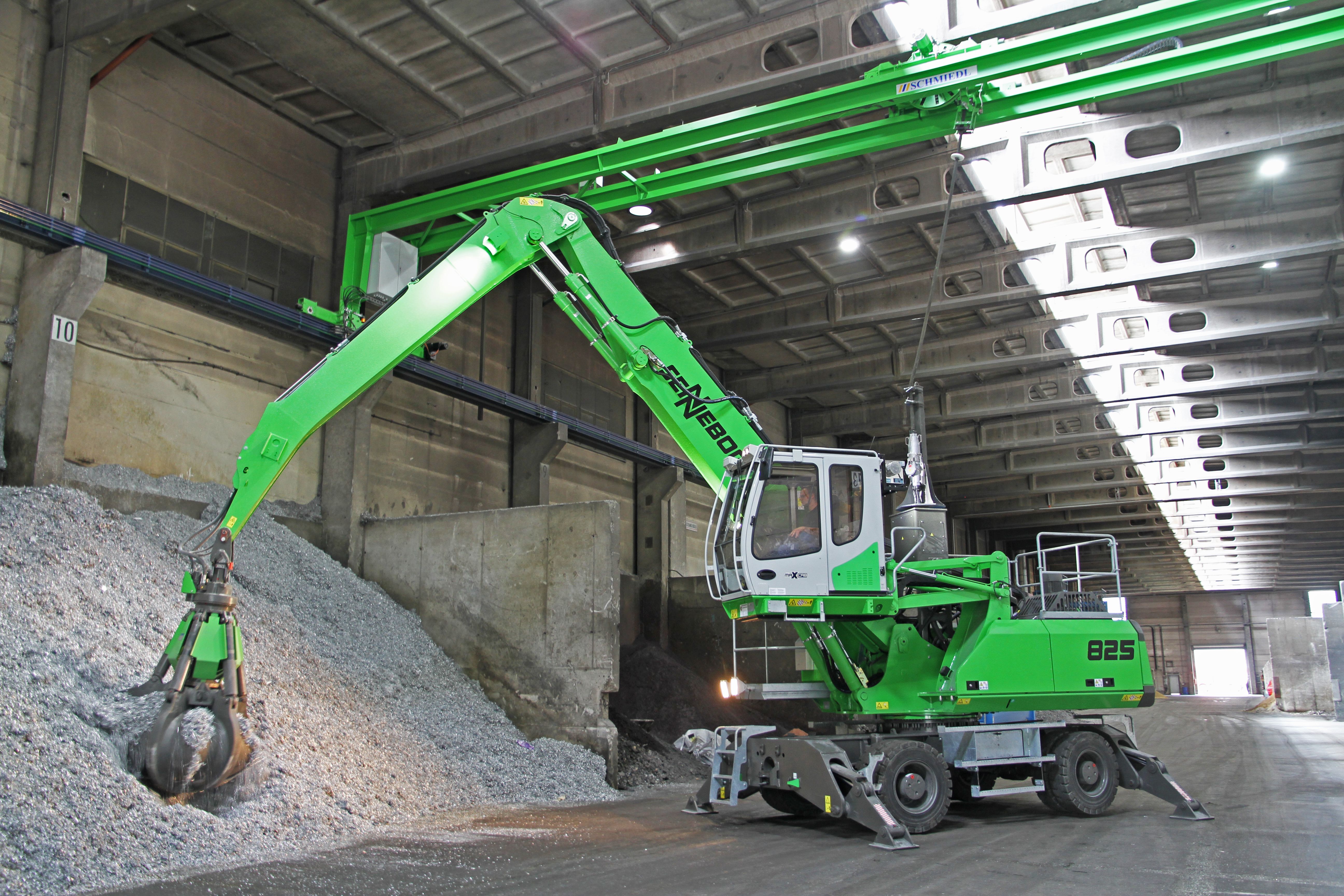
Sennebogen machinery is recognized for its distinctive green color and emphasis on advanced hydraulic systems, operator visibility, and energy-efficient performance. Over time, the brand has become closely associated with material handling innovation and sustainable industrial equipment solutions.
Key Equipment Categories and Core Features
Sennebogen designs several categories of heavy machinery, including:
-
Material handlers for recycling and scrap processing
-
Crawler cranes for lifting and infrastructure projects
-
Telescopic cranes for construction environments
-
Port handling equipment for bulk cargo operations
-
Timber handling machinery
Below is a simplified comparison of major equipment types and their typical applications:
| Equipment Type | Primary Use Case | Key Feature Focus |
|---|---|---|
| Material Handlers | Recycling, scrap yards | Elevated cab, 360° rotation |
| Crawler Cranes | Infrastructure lifting | Track mobility, high stability |
| Telescopic Cranes | Construction projects | Adjustable boom length |
| Port Equipment | Bulk cargo management | Heavy-duty reach and capacity |
Common features across many models include:
-
Energy-efficient hydraulic systems
-
Modular boom configurations
-
Elevated operator cabins for visibility
-
Electric and hybrid drive options
-
Advanced control interfaces
These features contribute to safer operations and improved productivity in industrial settings.
Why Sennebogen Matters in Today’s Industrial Landscape
Heavy equipment technology plays a central role in infrastructure development, recycling systems, renewable energy projects, and global supply chains. Machinery like Sennebogen material handlers supports industries that rely on consistent and efficient movement of materials.
The importance of this technology is especially clear in sectors such as:
-
Construction and infrastructure development
-
Scrap metal recycling and waste management
-
Port and logistics operations
-
Renewable energy installations
-
Forestry and timber processing
Modern projects increasingly require environmentally responsible machinery. Energy-efficient engines, electric-powered material handlers, and optimized hydraulic performance align with broader sustainability objectives in construction and industrial operations.
High CPC industry terms such as hydraulic crane systems, industrial automation equipment, green construction machinery, and infrastructure equipment technology are often associated with discussions around advanced heavy equipment. These topics reflect ongoing interest in performance optimization and environmental responsibility.
For professionals in engineering, logistics, and industrial management, understanding machinery capabilities is essential for planning efficient operations and ensuring regulatory compliance.
Recent Industry Developments and Trends
In the past year, the heavy equipment sector has continued evolving in response to sustainability goals, automation trends, and digital monitoring systems.
Several developments have shaped the industry landscape:
-
Expanded electric and hybrid machinery lines
-
Increased integration of telematics systems
-
Greater focus on operator safety and ergonomic design
-
Adoption of remote monitoring technologies
-
Improved emission standards compliance
Manufacturers across the sector, including Sennebogen, have introduced equipment enhancements that prioritize lower emissions and reduced energy consumption. Electric material handlers and hybrid drive systems have gained attention in recycling facilities and port operations.
Another trend is digital fleet management integration. Telematics platforms now allow operators and managers to track machine performance, fuel efficiency, and maintenance intervals. This data-driven approach supports predictive maintenance and operational planning.
Below is a simplified representation of common technology trends in heavy equipment:
| Trend Area | Industry Focus | Operational Benefit |
|---|---|---|
| Electrification | Reduced emissions machinery | Lower environmental impact |
| Telematics Integration | Real-time equipment monitoring | Data-driven decisions |
| Safety Enhancements | Improved visibility systems | Reduced workplace incidents |
| Automation Features | Assisted control systems | Increased efficiency |
These advancements reflect broader digital transformation across industrial sectors.
Regulatory and Policy Considerations
Heavy machinery is influenced by environmental regulations, workplace safety standards, and emissions guidelines. Governments in many regions have implemented policies aimed at reducing carbon emissions, improving workplace safety, and encouraging sustainable construction practices.
Key regulatory areas affecting heavy equipment include:
-
Emission standards for diesel engines
-
Workplace safety requirements for crane operations
-
Environmental impact guidelines for industrial facilities
-
Noise pollution limits in urban construction zones
-
Waste management compliance in recycling operations
Emission standards require manufacturers to design engines that meet strict environmental benchmarks. As a result, equipment often incorporates advanced filtration systems, cleaner combustion technologies, or electric power alternatives.
Workplace safety regulations also shape machine design. Elevated cabins, reinforced operator compartments, load monitoring systems, and emergency stop features are frequently integrated to comply with safety expectations.
Understanding these regulatory frameworks helps companies maintain compliance and operate responsibly in regulated industrial environments.
Tools and Helpful Resources
Professionals researching heavy equipment technology can benefit from a variety of digital tools and informational resources.
Useful tools and platforms include:
-
Equipment specification databases
-
Telematics dashboards for fleet monitoring
-
Hydraulic performance calculators
-
Emissions compliance reference portals
-
Construction safety training platforms
-
Industrial equipment comparison charts
Educational resources often include:
-
Manufacturer documentation and technical manuals
-
Industry research reports
-
Construction technology webinars
-
Engineering publications
-
Machinery performance case studies
Digital modeling software also plays an increasing role in infrastructure planning. Engineering teams frequently use simulation tools to analyze load capacities, crane positioning, and operational layouts before on-site deployment.
These tools support better planning, risk management, and operational optimization in industrial projects.
Frequently Asked Questions
What is Sennebogen primarily known for?
Sennebogen is known for manufacturing material handlers, crawler cranes, and industrial lifting equipment used in construction, recycling, port operations, and timber processing.
What industries commonly use Sennebogen machinery?
Industries include construction, scrap recycling, waste management, logistics, forestry, and infrastructure development.
Are electric models available in heavy material handling equipment?
Yes, electric and hybrid options are increasingly available in the heavy equipment sector to support emission reduction goals and energy efficiency initiatives.
How does telematics improve equipment performance?
Telematics systems provide real-time data on machine usage, fuel consumption, and maintenance schedules. This information helps operators optimize performance and reduce downtime.
Why is operator visibility important in material handlers?
Improved visibility enhances safety and precision when lifting or sorting materials. Elevated cabins and panoramic windows reduce blind spots and support safer operations.
Conclusion
Sennebogen represents a significant presence in the heavy equipment and material handling sector. Its machinery supports industries that depend on efficient lifting, loading, and transport of large-scale materials.
As industrial operations evolve, technology trends such as electrification, telematics integration, and advanced hydraulic systems continue shaping the future of heavy machinery. Environmental standards and safety regulations further influence equipment design and operational practices.
Understanding the fundamentals of material handling equipment, infrastructure machinery trends, and industrial automation systems provides valuable insight for engineers, project managers, and industry professionals.