Self-Driving Cars Technology Explained: Learn Fundamentals, Practical Tips, and Core Concepts
Self-driving cars, also known as autonomous vehicles, are automobiles designed to move, navigate, and respond to road conditions with minimal or no human input. The idea exists to reduce human error, improve transportation efficiency, and support safer mobility systems. Advances in computing, sensors, and artificial intelligence have made it possible for vehicles to perceive their surroundings and make driving decisions in real time.
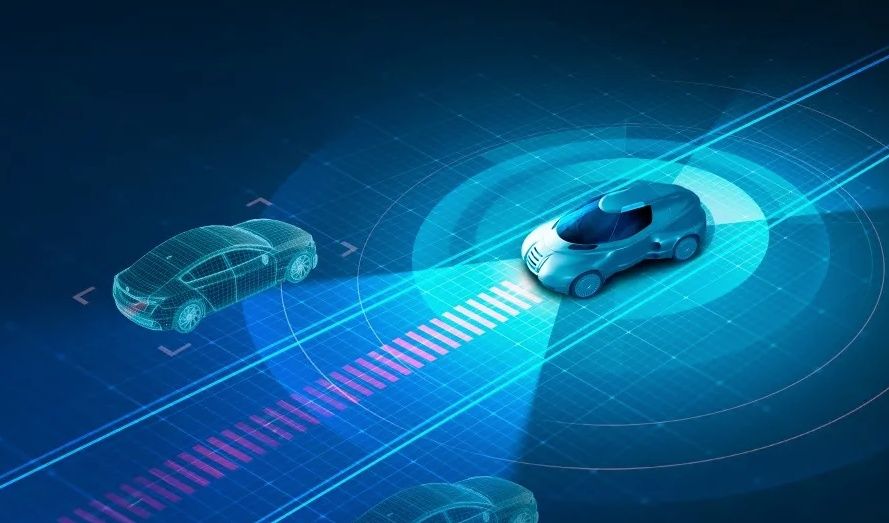
At the core of this technology is the combination of software and hardware that mimics how humans see, think, and react while driving. Cameras replace human vision, sensors act like reflexes, and algorithms function as decision-making processes. This comprehensive guide aims to explain self-driving cars technology in a neutral, educational, and accessible way for a general audience.
Why Self-Driving Cars Matter Today
Autonomous vehicle technology matters because transportation systems affect nearly everyone. Road safety, traffic congestion, fuel efficiency, and accessibility are global challenges. Self-driving systems aim to address these issues by reducing accidents linked to distraction, fatigue, and inconsistent decision-making.
Key groups affected include:
-
Everyday drivers and passengers
-
Urban planners and policymakers
-
People with limited mobility
-
Logistics and public transportation operators
Problems this technology seeks to solve include:
-
High accident rates caused by human error
-
Inefficient traffic flow in cities
-
Limited transportation access for certain populations
According to global road safety research, human error contributes to the majority of traffic incidents. Autonomous systems are designed to follow rules consistently and respond faster than humans in many scenarios.
Comparison Table: Human Driving vs Autonomous Driving
| Aspect | Human Driving | Self-Driving Systems |
|---|---|---|
| Reaction time | Varies by individual | Consistent, milliseconds |
| Rule adherence | Inconsistent | Programmed compliance |
| Fatigue | Possible | Not applicable |
| Data processing | Limited | High-volume real-time |
Recent Developments and Trends (2024–2025)
Over the past year, self-driving technology has continued to evolve steadily rather than through sudden breakthroughs. In 2024, several companies expanded pilot programs in controlled urban environments, focusing on improved safety validation and edge-case handling.
Notable trends observed since mid-2024 include:
-
Greater emphasis on driver-assistance features rather than full autonomy
-
Increased use of simulation-based testing instead of only real-world miles
-
Collaboration between automakers and artificial intelligence firms
For example, companies such as Tesla, Waymo, and Baidu reported updates to perception systems and safety monitoring during 2024. These updates focused on handling complex urban conditions such as construction zones and unpredictable pedestrian movement.
Another significant trend is the standardization of autonomous driving levels, helping the public better understand system capabilities.
Table: SAE Levels of Driving Automation
| Level | Description |
|---|---|
| Level 0 | No automation |
| Level 1 | Driver assistance |
| Level 2 | Partial automation |
| Level 3 | Conditional automation |
| Level 4 | High automation |
| Level 5 | Full automation |
Laws, Regulations, and Policy Environment
Self-driving cars are closely influenced by laws and government policies, which vary by region. Most countries currently allow limited testing under strict conditions rather than unrestricted deployment.
In the United States, vehicle automation is regulated through a mix of federal guidance and state-level rules. Agencies emphasize safety reporting, transparency, and human oversight during testing. In the European Union, regulations focus on data protection, functional safety, and alignment with existing traffic laws. China has introduced city-specific pilot zones with clear operational boundaries.
Common regulatory themes include:
-
Mandatory safety drivers or remote supervision
-
Data recording and incident reporting requirements
-
Geographic restrictions on testing areas
Governments generally treat autonomous systems as evolving technology, updating policies gradually to reflect technical progress and real-world data.
Tools, Platforms, and Learning Resources
Understanding self-driving cars technology often involves specialized tools and platforms used by researchers, engineers, and students. While many are technical, they help explain how autonomous systems are developed and evaluated.
Commonly referenced tools and resources include:
-
Driving simulators for virtual testing of scenarios
-
Open datasets for traffic and sensor analysis
-
Visualization software for sensor fusion models
Example Table: Core Technology Components and Supporting Tools
| Component | Purpose | Typical Tool Type |
|---|---|---|
| Computer vision | Object detection | Image annotation platforms |
| Sensor fusion | Data combination | Simulation environments |
| Path planning | Route decisions | Algorithm testing frameworks |
| Machine learning | Behavior prediction | Model training platforms |
These tools support experimentation, education, and transparency in how autonomous systems function, making them useful for anyone seeking an in-depth overview.
Frequently Asked Questions
1. What is the difference between self-driving and driver-assistance systems?
Driver-assistance systems support the human driver with specific tasks such as lane keeping or adaptive cruise control. Self-driving systems aim to handle most or all driving tasks within defined conditions.
2. Are self-driving cars fully autonomous today?
Most vehicles on public roads operate at partial automation levels. Full autonomy without human oversight remains limited to controlled environments and testing programs.
3. How do self-driving cars detect obstacles?
They use a combination of cameras, radar, lidar, and ultrasonic sensors to build a real-time map of their surroundings.
4. Do autonomous vehicles learn while driving?
Learning typically occurs during offline training. Real-world driving data is collected, analyzed, and used to improve future software updates.
5. What are the main technical challenges?
Key challenges include unpredictable human behavior, complex weather conditions, and ensuring system reliability in rare edge cases.
Conclusion
Self-driving cars technology represents a long-term shift in how transportation systems are designed and managed. Rather than replacing human drivers overnight, the technology is evolving through incremental improvements in safety, perception, and decision-making. Its importance lies in addressing real-world transportation challenges while raising new questions about regulation, ethics, and public understanding.
By focusing on clear standards, responsible testing, and transparent communication, autonomous vehicle development continues to move forward in a measured way. This writing article has provided a structured, factual explanation of the fundamentals, recent context, and core concepts to support informed learning.