Rotating Cotton Grab: Complete Guide, Basics, and Key Insights to Explore
A rotating cotton grab is a specialized industrial attachment used for handling large volumes of cotton efficiently. It is commonly fitted to cranes, loaders, or material handling systems in warehouses, ginning facilities, ports, and textile processing areas. The main purpose of this equipment is to grip, lift, rotate, and transport compressed cotton bales or loose cotton safely and precisely.
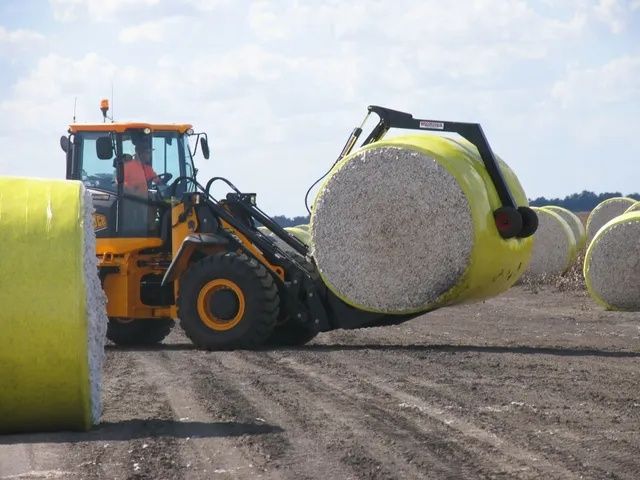
Cotton is lightweight but bulky, making manual handling inefficient and unsafe. Traditional lifting methods can damage bales or create handling delays. A rotating cotton grab was developed to solve these challenges by providing:
-
Controlled gripping force
-
360-degree rotation capability
-
Secure bale handling
-
Reduced labor strain
The equipment typically operates using hydraulic systems, allowing operators to adjust pressure and rotation based on bale size and stacking requirements. This design supports smoother workflow in high-volume cotton storage and transportation environments.
Why Rotating Cotton Grab Equipment Matters
Cotton remains one of the most widely traded agricultural commodities. As global textile production expands, efficient cotton handling becomes increasingly important. Rotating cotton grabs help optimize logistics in several ways.
They improve workplace safety by reducing manual lifting. Cotton bales can weigh hundreds of kilograms, and improper handling may lead to injuries. Hydraulic grabs minimize direct human contact with heavy loads.
They enhance productivity. In large warehouses and export hubs, faster bale stacking and movement significantly improve operational efficiency. Equipment that can rotate and position loads precisely reduces time spent on repositioning.
They reduce material damage. Cotton bales must maintain structural integrity during storage and transportation. Controlled gripping prevents tearing, contamination, or compression damage.
They support environmental efficiency. Efficient material handling reduces fuel consumption and idle machine time, contributing to lower operational emissions.
Industries affected include:
-
Cotton ginning facilities
-
Textile mills
-
Agricultural logistics centers
-
Shipping terminals
-
Warehousing operations
The increasing focus on industrial automation trends and smart logistics systems further highlights the relevance of advanced material handling systems such as rotating cotton grabs.
Recent Developments and Industry Trends
In recent months, several notable trends have influenced cotton handling equipment technology.
One trend involves the integration of smart hydraulic controls. Manufacturers are incorporating pressure sensors and automated load-balancing systems to prevent over-gripping or uneven handling.
Another development is the use of lightweight, high-strength alloys in grab construction. These materials improve durability while reducing equipment weight, allowing better fuel efficiency in loaders and cranes.
There has also been increased attention to digital fleet monitoring. Equipment fitted with telematics systems enables operators to track usage hours, maintenance cycles, and performance data. This supports predictive maintenance and reduces downtime.
Sustainability considerations have gained importance as well. Many industrial operations are shifting toward energy-efficient hydraulic systems and eco-friendly lubricants.
Automation is gradually expanding in large-scale cotton warehouses. Semi-automated stacking systems combined with rotating grabs allow for more precise storage alignment and better space utilization.
These updates reflect broader industrial automation trends and advancements in heavy equipment insights across agricultural logistics.
Regulations and Policy Considerations
Rotating cotton grab equipment is subject to industrial safety and machinery regulations. Governments and regulatory authorities establish standards to ensure safe operation and worker protection.
Key regulatory considerations often include:
-
Machinery safety standards
-
Hydraulic system compliance guidelines
-
Workplace safety regulations
-
Occupational health requirements
-
Environmental performance standards
Operators are typically required to follow:
-
Proper training protocols
-
Routine inspection schedules
-
Load capacity limits
-
Maintenance documentation practices
In many regions, equipment must comply with certified manufacturing standards to ensure structural reliability and safe hydraulic performance. Additionally, workplace safety authorities may require regular audits and operator certification programs.
Environmental guidelines may also influence hydraulic fluid disposal and emissions control, particularly in large agricultural or export facilities.
Adhering to these policies helps reduce accident risks and ensures long-term operational reliability.
Technical Overview and Functional Components
Understanding the core components of a rotating cotton grab helps clarify how it functions.
| Component | Function | Importance |
|---|---|---|
| Hydraulic Cylinders | Control gripping pressure | Prevent bale damage |
| Rotator Unit | Enables 360-degree rotation | Improves stacking precision |
| Grabbing Arms | Secure cotton bales | Ensures load stability |
| Mounting Bracket | Connects to crane or loader | Provides structural support |
| Control System | Manages pressure and rotation | Enhances operational safety |
The hydraulic system powers the opening and closing of arms. The rotator unit allows operators to position bales accurately during stacking or loading. Modern systems may include electronic control panels for improved precision.
This combination of mechanical strength and hydraulic precision makes rotating cotton grabs an essential part of cotton handling equipment infrastructure.
Helpful Tools and Resources
Several tools and digital resources can support better understanding and management of rotating cotton grab operations.
-
Equipment maintenance management software for tracking inspection schedules
-
Hydraulic pressure monitoring devices
-
Load capacity calculators for cranes and loaders
-
Industrial safety compliance checklists
-
Fleet telematics platforms for performance monitoring
-
Digital warehouse layout planners
Educational resources such as industrial engineering textbooks and agricultural logistics research publications can provide deeper technical insights. Industry associations related to textile manufacturing and agricultural equipment also publish operational guidelines and best practices.
Online CAD design tools help engineers plan integration of grab attachments into existing material handling systems. Additionally, operator training modules and virtual simulation tools can improve safety awareness and operational skills.
These resources enhance knowledge and support safe, efficient equipment usage.
Frequently Asked Questions
What is the main purpose of a rotating cotton grab?
Its primary purpose is to lift, rotate, and transport cotton bales safely and efficiently using hydraulic gripping arms.
How does rotation improve handling efficiency?
Rotation allows precise bale positioning during stacking or loading, reducing the need for repeated repositioning and saving time.
Is special training required to operate this equipment?
Yes, operators typically need training in hydraulic system controls, load management, and workplace safety standards.
Can rotating cotton grabs handle loose cotton?
Some models are designed for compressed bales, while others may be adapted for bulk cotton, depending on arm configuration and gripping pressure.
How often should maintenance inspections be conducted?
Routine inspections are generally recommended based on operating hours, manufacturer guidelines, and safety regulations to ensure optimal hydraulic performance.
Performance Comparison Graph
Below is a simplified conceptual comparison of handling efficiency between manual bale movement and hydraulic grab systems.
Manual Handling Efficiency:
█ █ █
Standard Non-Rotating Grab:
█ █ █ █ █
Rotating Cotton Grab System:
█ █ █ █ █ █ █ █
This visual representation highlights the relative improvement in productivity when rotation capability is added to the handling system.
Conclusion
A rotating cotton grab is an advanced hydraulic attachment designed to improve cotton handling efficiency, safety, and precision. By enabling secure gripping and full rotational control, it addresses challenges associated with bulky cotton bales and high-volume logistics operations.
The equipment plays a crucial role in agricultural supply chains, textile production facilities, and export terminals. Recent technological advancements in smart hydraulics, lightweight materials, and telematics integration continue to enhance its functionality.
Compliance with safety regulations and proper maintenance practices ensures long-term reliability and safe operation. With the growing emphasis on industrial automation trends and material handling systems optimization, rotating cotton grab technology remains an important development in agricultural machinery innovation.