Road Marking Machine Overview: Basics, Explanation, Knowledge & Key Details
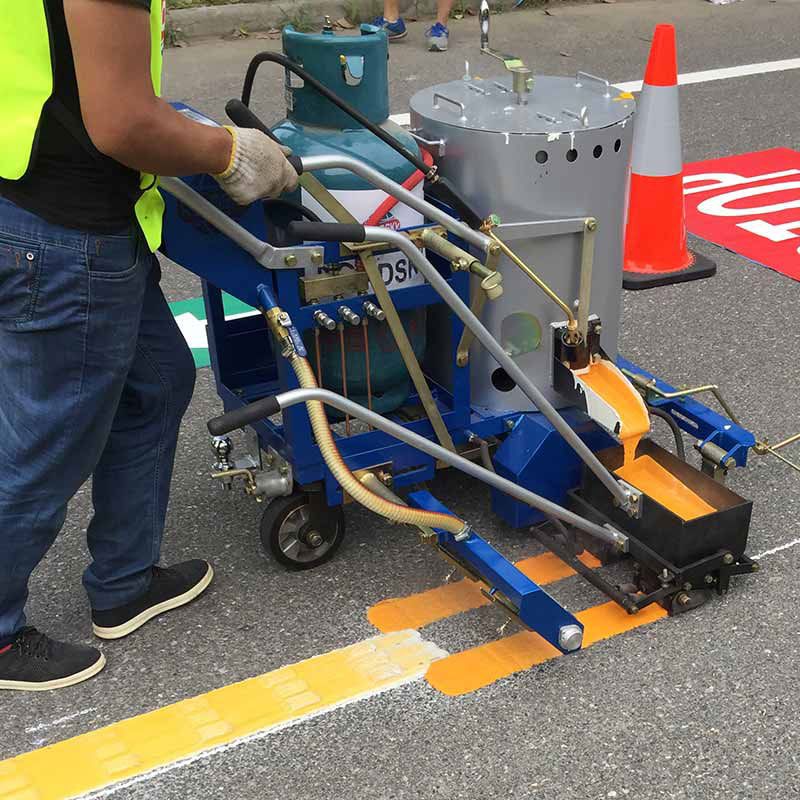
Road marking machines are specialized equipment used to create visible and durable markings on roads, highways, parking areas, runways, and industrial surfaces. These markings guide drivers, support traffic management, and enhance road safety. The purpose behind developing road marking technology was to create consistent, highly visible lines that withstand heavy traffic, weather conditions, and long-term use.
Modern road marking machines vary significantly in size, method, and application style. Some apply thermoplastic road markings, while others use cold paint systems, two-component coatings, or reflective glass beads. High CPC keywords relevant to this topic include traffic management technology, road safety systems, industrial safety equipment, and pavement marking technology.
Importance
Road marking machines play a key role in traffic guidance, driving behavior, and accident prevention. Clear and properly maintained markings help drivers identify lanes, pedestrian crossings, turning zones, and speed instructions.
These machines matter today because:
-
Growing urban infrastructure requires consistent and accurate traffic markings.
-
Expanded highway networks demand standardized marking quality.
-
Increasing focus on road safety technology aligns with global safety goals such as Vision Zero.
-
Automated and semi-automated marking systems improve worker safety by reducing direct exposure to traffic.
-
Industries beyond public roads—such as logistics centers, airports, and rail yards—depend on accurate surface markings for navigation and operational management.
Road marking machines affect transportation authorities, construction contractors, smart city planners, and safety compliance teams. They address problems like inconsistent lane visibility, night-time driving hazards, and rapid marking deterioration due to climate or heavy traffic.
Recent Updates
Several updates in the past year have shaped the road marking landscape, especially with advancements in pavement marking technology and traffic management innovation.
Key developments
-
Integration of digital guidance systems : Many modern units now feature GPS-based alignment tools to help maintain marking accuracy across long distances.
-
Rise in thermoplastic application systems : Improved heating and flow control technologies have increased the durability and reflectivity of markings.
-
Adoption of AI-assisted path correction: Some new-generation models include camera-based line-tracking features that automatically adjust spray direction for uniformity.
-
Sustainability trends: Road agencies in several countries have been testing low-emission coating materials and energy-efficient heating systems.
-
Workplace safety improvements: Machines introduced in late 2024 include enhanced shielding to protect operators from fumes and heat exposure.
Laws or Policies
Road marking practices are influenced by government regulations, national road safety standards, and transportation guidelines. Though policies differ by country, the following areas generally affect how road marking machines are used:
-
National road marking standards: Most countries have detailed guidelines specifying thickness, color, width, reflectivity, and durability expectations for markings.
-
Traffic safety regulations: Local transportation agencies enforce rules that dictate marking placement, particularly for zones like school areas, pedestrian crossings, and high-speed highways.
-
Environmental compliance: Some regions restrict the use of coating materials containing harmful volatile chemicals, encouraging the use of low-VOC or thermoplastic alternatives.
-
Worksite safety rules: Operator training, protective gear, and machine certification are required in many jurisdictions to ensure safe operation.
-
Infrastructure development programs: Government-funded road improvement programs usually include marking renewal guidelines, influencing the type of machines used.
These regulations ensure consistency, improve driver safety, and help maintain high-quality infrastructure over time.
Tools and Resources
A number of helpful tools, platforms, and reference sources support work involving road marking machines. These resources are useful for planning, training, compliance, and project management.
Useful tools and resources include:
-
Road marking standards databases:
-
National highway authority guidelines
-
Transportation engineering reference manuals
-
-
Smart planning tools:
-
GPS line-mapping apps
-
Road layout design software
-
Traffic management planning tools
-
-
Safety and compliance checklists:
-
Equipment inspection templates
-
Operator training modules
-
Road marking quality assessment sheets
-
-
Material estimation tools:
-
Coating quantity calculators
-
Thermoplastic capacity planners
-
Nozzle output charts for paint-based systems
-
-
Knowledge resources:
-
Research papers on reflective materials
-
Road safety audits
-
Case studies on pavement marking technology
-
These tools support accurate marking application, ensure regulatory compliance, and help users understand modern traffic management systems.
FAQs
1. What does a road marking machine do?
A road marking machine applies lines, arrows, symbols, and other guidance markings on road surfaces using paint, thermoplastics, or reflective materials. It ensures that markings are uniform and aligned with road safety standards.
2. Are different types of materials used in road marking?
Yes. Common materials include thermoplastic coatings, cold plastic, water-based paints, solvent-based paints, and reflective glass beads. The material depends on climate, road type, and durability requirements.
3. How do modern road marking machines align lines accurately?
Many machines now use sensors, cameras, or GPS positioning to guide application. These help maintain straightness, spacing, and overall consistency across long stretches of road.
4. Why are reflective glass beads added to road markings?
Glass beads enhance nighttime and wet-weather visibility. When headlights shine on the beads, they reflect light back toward the driver, making markings easier to see.
5. What factors influence how long road markings last?
Surface condition, climate, traffic load, and the type of coating material determine marking lifespan. Thermoplastic markings typically last longer than standard paint-based markings.
Conclusion
Road marking machines play an essential role in creating safer and more manageable road networks. As cities expand and transportation needs evolve, these machines provide consistent, durable markings that guide millions of drivers daily. With advancements in traffic management technology, automation, and safety systems, road marking equipment continues to improve in precision and reliability.
Understanding the basics, recent updates, regulations, and useful tools related to road marking machines helps planners, engineers, and safety teams work more effectively. Their continued development supports the broader goal of improving roadway navigation, reducing accidents, and supporting orderly transportation systems.