Powering Plastic Production with Innovative Thermoforming Machines
Plastic products are part of everyday life, from food packaging and disposable cups to medical trays and electronic housings. One of the key technologies behind many of these items is the thermoforming machine. This equipment heats plastic sheets until they become soft, then shapes them into specific forms using molds. Once cooled, the plastic retains its new shape.
The concept of thermoforming dates back to early plastic manufacturing developments in the 20th century. As industries grew, the need for faster and more consistent production led to the development of the industrial thermoforming machine. These machines are designed to handle large volumes and produce uniform products for sectors such as packaging, healthcare, and automotive.
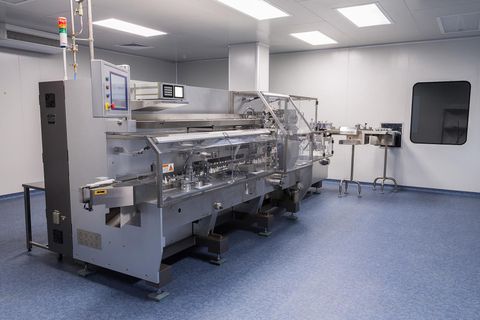
Today, different types of thermoforming machines are used depending on production needs. A plastic thermoforming machine can range from small manual setups to large-scale automated systems. The automatic thermoforming machine, in particular, has become common in modern factories due to its ability to streamline processes with minimal manual intervention.
The role of a thermoforming equipment supplier or a thermoforming machine manufacturer is to design and provide these machines to industries that rely on plastic production. Their work supports a wide range of applications that affect daily life.
Importance
Thermoforming plays a significant role in modern manufacturing because it enables efficient production of lightweight and durable plastic products. These products are widely used in packaging, which helps protect food and goods during transportation and storage.
One of the main reasons thermoforming matters today is its contribution to mass production. An industrial thermoforming machine can produce thousands of identical items in a short time, making it suitable for industries that require consistent quality at scale.
Another important aspect is material efficiency. Compared to some other plastic processing methods, thermoforming often generates less waste. Excess material can sometimes be recycled and reused, reducing environmental impact.
Thermoforming also supports innovation in product design. Manufacturers can create complex shapes and customized packaging that improve usability and product protection. For example, molded trays for electronics or medical devices are designed to hold items securely.
The technology affects multiple groups:
- Consumers benefit from safer and more convenient packaging.
- Manufacturers rely on thermoforming machines to maintain production efficiency.
- Environmental stakeholders focus on reducing plastic waste and improving recycling practices.
In addition, the use of automatic thermoforming machine systems helps reduce manual handling, which can improve workplace safety and consistency in production.
Recent Updates
Between 2024 and 2026, several trends have influenced the development and use of thermoforming machines. These changes reflect broader shifts in manufacturing, sustainability, and digital technology.
One noticeable trend is the integration of automation and smart controls. Modern automatic thermoforming machine systems now include sensors and software that monitor temperature, pressure, and cycle times. This helps improve accuracy and reduce defects during production.
Another development is the growing focus on sustainable materials. Many plastic thermoforming machine setups are being adapted to work with biodegradable plastics and recycled materials. This aligns with increasing environmental awareness and regulatory requirements in many regions.
Energy efficiency has also become a priority. Newer industrial thermoforming machine designs aim to reduce energy consumption by optimizing heating systems and improving insulation. This helps lower environmental impact and supports long-term operational efficiency.
Digital connectivity is another emerging feature. Some machines now include remote monitoring capabilities, allowing operators to track performance and identify issues from a distance. This reflects a broader shift toward Industry 4.0 practices in manufacturing.
In addition, customization has become more common. Thermoforming equipment suppliers are increasingly providing machines that can be tailored to specific production needs, such as different mold sizes or material types.
Laws or Policies
The use of thermoforming machines and plastic production is influenced by various laws and regulations, particularly those related to environmental protection and workplace safety.
In many countries, regulations focus on reducing plastic waste. Governments may encourage or require the use of recyclable or biodegradable materials in packaging. This affects how a plastic thermoforming machine is used and the types of materials it processes.
Environmental policies often include guidelines for emissions and energy use. Industrial thermoforming machine operations may need to comply with standards that limit energy consumption or reduce greenhouse gas emissions.
Workplace safety regulations also play an important role. Operating a thermoforming machine involves high temperatures and moving parts, so safety standards are designed to protect workers. These may include requirements for protective equipment, machine guards, and regular maintenance checks.
In addition, waste management policies influence how leftover plastic materials are handled. Companies may be required to implement recycling processes or ensure proper disposal of non-recyclable waste.
International standards organizations also provide guidelines for machine design and operation. A thermoforming machine manufacturer typically follows these standards to ensure compatibility with global safety and quality requirements.
Tools and Resources
Several tools and resources are available to support understanding and use of thermoforming machines. These resources are useful for manufacturers, engineers, and learners interested in plastic production.
Common tools include:
- Design software: Computer-aided design (CAD) tools help create molds and product shapes for thermoforming processes.
- Material selection guides: These resources provide information on different types of plastics, including their properties and suitability for thermoforming.
- Process simulation tools: These allow users to model how a plastic sheet will behave during heating and forming.
- Maintenance checklists: Standardized templates help ensure that machines operate safely and efficiently.
Web-based platforms and educational websites also provide tutorials and case studies related to thermoforming. These resources explain how an industrial thermoforming machine operates and how different settings affect the final product.
The following table summarizes key components of a thermoforming machine and their functions:
| Component | Function Description |
|---|---|
| Heating System | Softens plastic sheets to make them moldable |
| Forming Station | Shapes the heated plastic using molds |
| Cooling System | Solidifies the plastic into its final form |
| Trimming Unit | Removes excess material from finished products |
| Control Panel | Allows operators to adjust temperature and timing |
| Feeding Mechanism | Moves plastic sheets through the machine |
Understanding these components helps users better manage the thermoforming process and maintain consistent product quality.
FAQs
What is a thermoforming machine used for?
A thermoforming machine is used to shape plastic sheets into specific forms by heating them and using molds. It is commonly used for packaging, trays, containers, and various industrial products.
How does an automatic thermoforming machine work?
An automatic thermoforming machine performs the heating, forming, cooling, and trimming processes with minimal manual input. It uses programmed controls and sensors to maintain consistent production conditions.
What industries use industrial thermoforming machines?
Industrial thermoforming machines are used in packaging, medical, automotive, electronics, and food industries. They are suitable for high-volume production where uniformity is important.
What is the difference between a plastic thermoforming machine and other plastic processing machines?
A plastic thermoforming machine shapes pre-made plastic sheets, while other methods like injection molding involve melting raw plastic pellets. Thermoforming is often used for thinner products and packaging items.
How do I choose a thermoforming equipment supplier or thermoforming machine manufacturer?
Selecting a thermoforming equipment supplier or thermoforming machine manufacturer involves considering factors such as machine compatibility, production requirements, material support, and adherence to safety standards.
Conclusion
Thermoforming machines play a central role in producing many plastic products used in everyday life. From simple packaging to specialized industrial components, this technology supports efficient and consistent manufacturing. Advances in automation, sustainability, and digital monitoring continue to shape how these machines operate. Regulations and safety standards also influence their design and use. Understanding the basics of thermoforming helps explain how modern plastic production functions across industries.