Power Tools for Automotive Maintenance: Explore Basics, Tips, and Useful Information
Power tools play a central role in modern vehicle maintenance and repair. From tightening bolts to diagnosing engine issues, these tools support both basic and complex tasks in garages and workshops. Over time, automotive work has evolved from manual methods to more efficient, technology-assisted processes. This shift has led to the development of professional mechanic tools, automotive workshop tools, and advanced systems designed to improve accuracy and reduce physical effort.
Automotive tools can be broadly divided into hand tools, power tools, and diagnostic equipment. While hand tools such as wrenches and screwdrivers are still widely used, heavy duty power tools for mechanics have become increasingly common. These tools often rely on electricity, compressed air, or battery systems to deliver higher torque and faster operation.
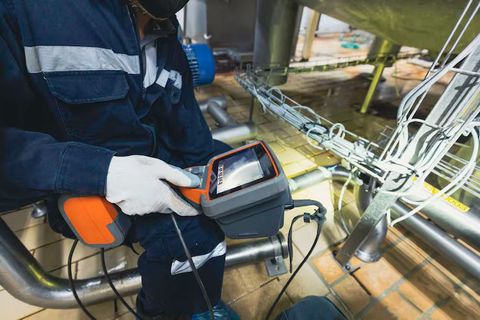
Another important category is automotive diagnostic tools, which help identify issues in modern vehicles equipped with electronic control systems. As vehicles incorporate more sensors and computer-based components, the role of these tools continues to expand. Understanding how these tools work and where they are used provides a useful foundation for anyone interested in vehicle maintenance.
Importance
The use of power tools in automotive maintenance matters because it directly affects efficiency, safety, and accuracy. Whether in a professional workshop or a home garage, these tools help complete tasks that would otherwise require significant time and physical effort.
For everyday users, tools such as a high torque impact wrench can simplify routine tasks like removing wheel nuts or working on suspension components. Without such tools, these tasks may be difficult due to tight fasteners or corrosion. For professionals, time efficiency is especially important, as it allows multiple repairs to be completed within a limited timeframe.
Key reasons why these tools are important include:
- Efficiency improvement: Power tools reduce the time needed for repetitive tasks, such as fastening and loosening bolts.
- Consistency in results: Tools designed for controlled torque application help ensure uniform tightening, which is important for safety-critical components.
- Reduced physical strain: Heavy manual work can lead to fatigue, while powered equipment helps minimize effort.
- Adaptation to modern vehicles: Newer vehicles often require specialized automotive diagnostic tools to interpret electronic data and error codes.
These tools also help address real challenges, such as working in tight spaces, handling rusted components, and managing increasingly complex vehicle systems. As vehicles become more advanced, the reliance on automotive workshop tools continues to grow.
Recent Updates
In recent years, several developments have influenced the design and use of automotive power tools. Between 2024 and 2026, a clear trend has been the shift toward cordless and battery-powered equipment. Advances in battery technology have made it possible for tools to deliver higher torque while remaining portable.
Another notable trend is the integration of digital features. Some modern tools now include:
- Digital torque settings: Allowing precise control over tightening levels
- Bluetooth connectivity: Enabling data tracking and performance monitoring
- Smart diagnostics: Linking automotive diagnostic tools with mobile applications
The growing popularity of electric vehicles has also influenced tool development. Electric vehicles require different maintenance approaches compared to traditional internal combustion engines. As a result, automotive workshop tools are being adapted to safely handle high-voltage systems and specialized components.
Sustainability is another emerging focus. Manufacturers are exploring ways to design tools with longer lifespans and improved energy efficiency. While these changes are still evolving, they reflect a broader shift toward environmentally conscious practices in automotive maintenance.
Laws or Policies
Automotive tools and their usage are influenced by safety regulations and industry standards, particularly in countries like India. These rules are designed to ensure safe working environments and proper handling of equipment.
Some key areas of regulation include:
- Workplace safety standards: Guidelines issued by organizations such as the Directorate General Factory Advice Service & Labour Institutes (DGFASLI) outline safe practices for using heavy duty power tools for mechanics.
- Electrical safety rules: Tools powered by electricity must comply with standards set by the Bureau of Indian Standards (BIS), ensuring proper insulation and safe operation.
- Environmental regulations: Disposal of batteries and electronic components from automotive diagnostic tools must follow guidelines to prevent environmental harm.
- Training requirements: In professional environments, workers are often required to undergo training to handle advanced automotive workshop tools safely.
These policies help reduce the risk of accidents, ensure proper tool usage, and promote responsible handling of equipment. While individual users may not always be subject to strict enforcement, following these guidelines can improve safety and reliability.
Tools and Resources
A wide range of tools and resources are available to support automotive maintenance. These tools vary in complexity, from basic power tools to advanced diagnostic systems.
Types of Power Tools
Common categories of power tools used in automotive work include:
- Impact wrenches: A high torque impact wrench is commonly used for loosening and tightening fasteners, especially in wheel and suspension work.
- Power drills: Useful for drilling holes or driving screws in various components.
- Angle grinders: Used for cutting, grinding, and smoothing metal surfaces.
- Air compressors: Provide power for pneumatic tools often used in workshops.
Diagnostic Equipment
Automotive diagnostic tools are essential for identifying issues in modern vehicles. These tools connect to a vehicle’s onboard system and retrieve error codes, sensor data, and performance information.
Examples include:
- OBD-II scanners: Widely used for reading engine fault codes
- Multimeters: Measure electrical values such as voltage and resistance
- Advanced diagnostic systems: Provide detailed analysis of multiple vehicle systems
Comparison of Common Automotive Power Tools
| Tool Type | Primary Use | Power Source | Typical Application Area |
|---|---|---|---|
| Impact Wrench | Fastening and loosening bolts | Battery / Air | Wheels, suspension |
| Power Drill | Drilling and fastening | Battery / Electric | Bodywork, interior components |
| Angle Grinder | Cutting and grinding metal | Electric | Frame, exhaust systems |
| Air Ratchet | Tightening in confined spaces | Air compressor | Engine compartments |
Digital Resources
In addition to physical tools, several digital platforms support automotive work:
- Repair databases: Provide technical manuals and repair procedures
- Mobile applications: Assist with diagnostics and tool calibration
- Online training platforms: Offer educational content on tool usage and safety
These resources help both beginners and experienced users understand how to use tools effectively and interpret diagnostic data accurately.
FAQs
What are professional mechanic tools used for?
Professional mechanic tools are designed for tasks such as repairing engines, replacing components, and maintaining vehicle systems. They include both manual and powered equipment, as well as diagnostic devices that help identify faults.
How does a high torque impact wrench work?
A high torque impact wrench uses a rotating mass mechanism to deliver sudden bursts of force. This allows it to loosen or tighten fasteners that may be difficult to handle with manual tools.
What should be considered when choosing automotive workshop tools?
Important factors include compatibility with the type of vehicle, power source, ease of handling, and safety features. The intended use, whether occasional or frequent, also influences tool selection.
Are automotive diagnostic tools necessary for basic maintenance?
For simple tasks like oil changes or tire replacement, diagnostic tools may not be required. However, for identifying engine or electronic issues, automotive diagnostic tools are often necessary to access error codes and system data.
Which is considered the best impact wrench for mechanics?
The choice depends on factors such as torque requirements, portability, and the type of work being performed. Battery-powered models are often preferred for flexibility, while pneumatic versions are common in workshops with air systems.
Conclusion
Power tools have become an essential part of automotive maintenance, supporting efficiency, accuracy, and safety. From impact wrenches to diagnostic equipment, these tools address the growing complexity of modern vehicles. Recent developments highlight a shift toward cordless technology and digital integration. Understanding the types, uses, and regulations associated with these tools helps users make informed decisions and maintain vehicles more effectively.