Posture-Correcting Wearables: A Complete Guide & Helpful Insights
Posture-correcting wearables are digital devices designed to monitor body alignment and provide gentle reminders when posture begins to deviate from recommended positions. These tools range from smart posture sensors and digital posture trackers to spine-alignment devices integrated into clothing, straps, and compact sensor-based accessories.
They emerged in response to increasing concerns about sedentary lifestyles, prolonged screen use, and growing awareness of back health. Modern work environments, especially those involving long hours at computers, have contributed to a rise in posture-related discomfort. Wearable technology aims to offer a convenient, data-driven method of posture awareness without requiring major lifestyle changes.
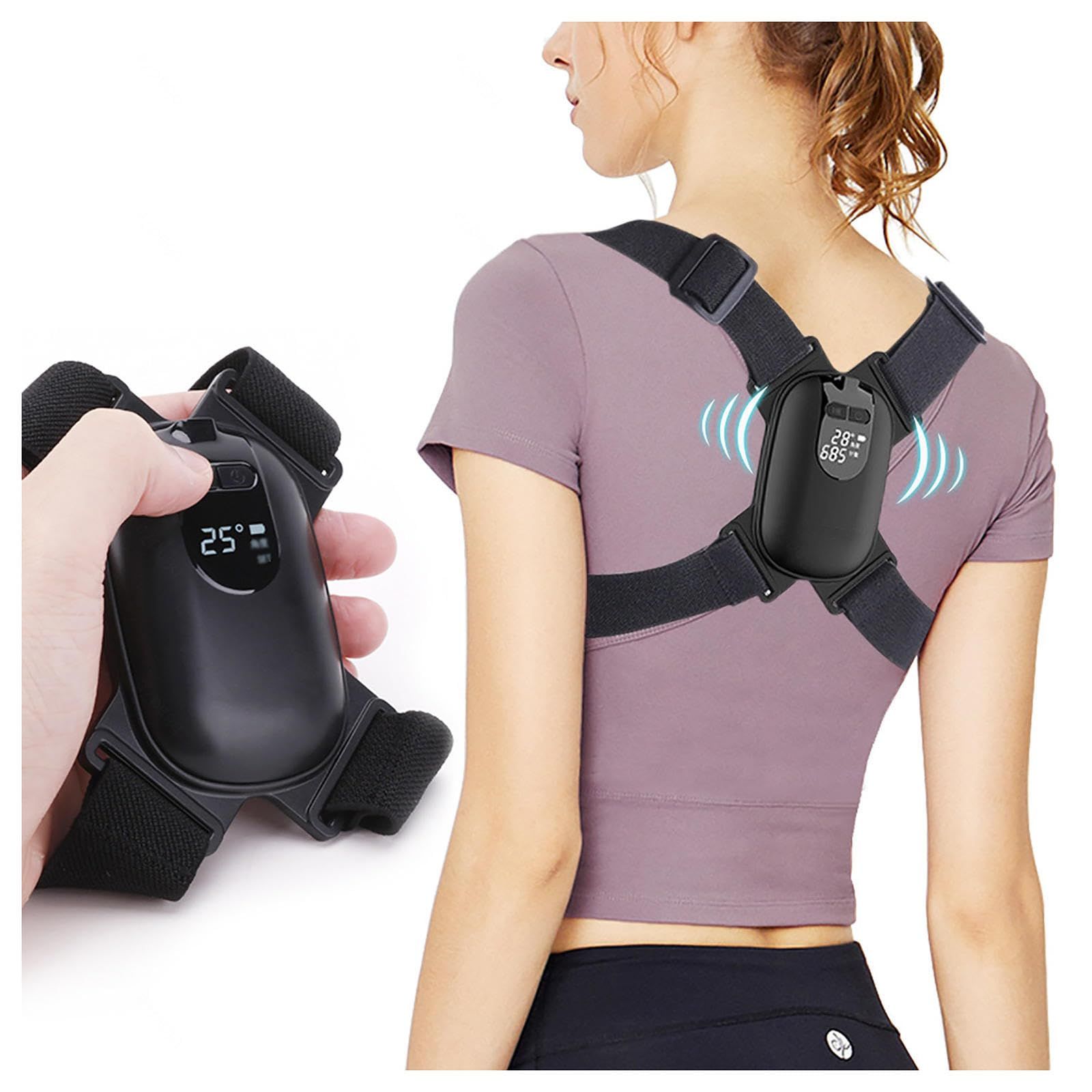
As ergonomic technology and wearable health monitoring have advanced, posture-correcting wearables now combine motion detection, vibration alerts, mobile app integration, and body-alignment assessment features. These developments help users identify patterns, improve awareness, and make informed decisions about daily habits that affect spinal health.
Importance: Why Posture-Correcting Wearables Matter Today
The interest in posture support solutions has grown significantly across different age groups and professions. The rise in remote work environments has made digital tools for maintaining ergonomic balance more relevant than ever.
Here’s why they matter:
Growing sedentary behavior
Many people spend hours sitting, often with rounded shoulders or forward-head posture. Continuous poor posture can contribute to stiffness and discomfort, and wearables help raise awareness of these habits.
Impact on workers and students
Office employees, remote workers, students, designers, and IT professionals often face long screen hours. Real-time posture feedback provides a preventative approach to reducing strain during extended sitting or standing tasks.
Support for fitness and wellness routines
Athletes, gym enthusiasts, and physiotherapy patients use wearable back-health analytics to track posture during exercises, balance training, and rehabilitation programs.
Accessibility and ease of monitoring
A lightweight sensor or discreet device offers data without requiring manual checks. Mobile dashboards with alignment histories make posture trends easy to observe.
Early identification of posture imbalances
Instead of waiting for discomfort, users can identify patterns early. This contributes to long-term spine alignment awareness, especially in environments where ergonomic setups vary.
Recent Updates: Trends and Developments
Posture technology has evolved quickly in the last year, driven by advancements in sensors, AI-based analytics, and broader interest in digital wellness.
Key developments from the past 12–18 months include:
AI-enhanced posture analytics
Many devices introduced machine-learning features to detect subtle posture deviations and provide personalized insights. This shift helps create more accurate digital posture tracker reports.
Lightweight sensor upgrades
Newer sensors use low-energy Bluetooth and improved accelerometers. These updated technologies enhance accuracy while reducing battery usage.
Growth of ergonomic research
In 2024 and 2025, academic institutions partnered with wearable manufacturers to study posture patterns in remote workforces, leading to more evidence-based design improvements.
Expansion into children’s posture monitoring
With increased screen exposure among younger users, 2025 saw the introduction of posture tools developed specifically for backpacks and school environments.
Below is a simple text-based graph showing the rising search interest in ergonomic technology and smart posture sensor topics from 2022 to 2025:This rise reflects the growing demand for body-alignment assessment technology.
Laws or Policies: How Regulations Influence Wearable Posture Technology
Posture-correcting wearables fall under broader categories such as consumer electronics, digital wellness tools, and non-medical body-monitoring devices. While regulations may vary by region, several general requirements influence their development and distribution:
General consumer safety standards
Most countries require digital wearables to meet electrical safety, battery safety, and Bluetooth communication standards.
Data privacy regulations
Wearables that store or transfer posture data must comply with privacy laws such as GDPR in Europe, the Consumer Data Protection framework in various regions, and similar national regulations. These standards focus on protecting user-generated alignment data and analytics.
Classification as non-medical devices
In many regions, posture-correcting wearables are categorized as wellness devices rather than medical devices. This classification affects how manufacturers communicate their purpose and what type of certification they need.
Workplace ergonomic guidelines
Some countries have national ergonomics recommendations that encourage posture awareness tools. While not mandatory, these guidelines support the use of wearable posture monitoring in educational and office environments.
Below is a small table summarizing common regulatory considerations:
| Area | Type of Requirement |
|---|---|
| Data Handling | Encryption, user consent, transparent data storage policies |
| Device Safety | Battery testing, wireless safety, material safety |
| Classification | Typically “wellness technology” or “consumer wearable” |
| Workplace Use | Encouraged within ergonomic recommendations |
Tools and Resources: Helpful Support for Posture Awareness
Several tools and digital platforms support posture monitoring, ergonomic improvement, and body-alignment assessment. These resources can be used independently or alongside posture-correcting wearables.
Mobile apps and digital posture tools
-
Apps that track posture through smartphone sensors
-
Dashboards offering back-health analytics
-
AI-based alignment scoring systems
-
Reminder apps that encourage movement breaks
Ergonomic setup guides
-
Digital checklists for chair, desk, and monitor alignment
-
Workspace measurement tools
-
Body-alignment worksheets for daily or weekly self-assessment
Online resources for posture education
-
Educational websites for ergonomic technology
-
Research articles explaining spine biomechanics
-
Virtual libraries offering general wellness information
Posture improvement utilities
-
Timers for micro-breaks
-
Stretching and mobility reminder tools
-
Printable alignment reference charts
Wearable-linked dashboards
Many posture wearables connect to mobile apps that display:
-
Posture score history
-
Daily alignment durations
-
Movement frequency
-
Trend graphs based on digital posture tracker readings
These resources create a comprehensive ecosystem to support posture awareness, especially for people working long hours at desks.
FAQs
1. What does a posture-correcting wearable actually do?
It monitors body alignment using sensors and alerts the user when posture begins to shift into a less-neutral position. Many devices use vibration cues and app-based feedback to help users recognize posture habits.
2. Are posture-correcting wearables suitable for daily use?
They are designed for regular wear, but users typically adjust settings to match comfort and daily routines. Many people use them during work hours or screen-heavy periods.
3. Do posture wearables replace ergonomic desk setups?
No. They complement ergonomic practices but do not replace proper chair height, monitor placement, or movement breaks. A wearable is most effective when paired with good ergonomic habits.
4. Can posture-tracking apps work without a wearable?
Some apps use a smartphone’s built-in sensors to provide basic posture insights, but wearables generally offer more accurate and consistent alignment monitoring.
5. Are posture-correcting wearables meant only for people with back discomfort?
Not necessarily. They are also used by individuals aiming to improve posture awareness, fitness performance, or general spinal alignment habits.
Conclusion
Posture-correcting wearables have become a widely used tool for improving posture awareness in modern, screen-based lifestyles. By combining compact sensors, ergonomic technology, and data-driven insights, these devices help individuals understand their alignment patterns and build healthier daily habits.
Recent technological advancements, regulatory guidance, and growing public focus on wellness have contributed to the development of more intuitive digital posture tracker systems. Whether used in workspaces, study environments, or fitness routines, these wearables support a more informed approach to back health and body alignment. Their value lies in enhancing awareness, encouraging better habits, and complementing existing ergonomic practices in a simple and accessible way.