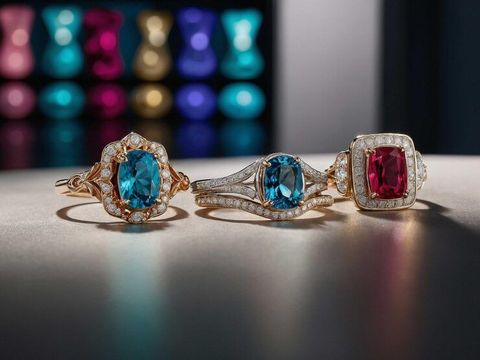
Poison Rings Overview: Explore Basics, Facts, and Key Details
Poison rings are a distinctive form of jewelry that combine ornamentation with hidden functionality. Often referred to as poison ring jewelry, these rings are designed with a small concealed compartment beneath a hinged lid. Historically, this compartment could hold substances such as perfume, medicine, religious relics, or, as commonly imagined, poison. While the dramatic association with toxins captures attention, the true historical uses were often more varied and practical.
The origins of poison rings can be traced back to ancient civilizations, including those in Rome and Asia, where secret compartments in jewelry served discreet purposes. Over time, these rings evolved in design and symbolism, becoming especially notable during the Renaissance and later periods. Materials ranged from simple metals to more elaborate forms like gold poison ring designs adorned with gemstones.
Among collectors and historians, antique poison ring pieces are valued for their craftsmanship and cultural significance. The Victorian poison ring, in particular, reflects a period when symbolism in jewelry was highly expressive, often representing mourning, love, or secrecy. Today, these rings are primarily appreciated as historical artifacts or decorative accessories rather than functional tools.
Importance
Understanding poison rings provides insight into how jewelry has served roles beyond decoration. These items illustrate how people historically addressed privacy, security, and personal expression in subtle ways. For everyday readers, poison ring jewelry offers a glimpse into how design and purpose intersect in cultural artifacts.
Poison rings matter today for several reasons. First, they contribute to the study of history by revealing how individuals managed sensitive matters discreetly. Second, they highlight the evolution of jewelry craftsmanship, from simple concealed compartments to intricate designs featuring stones such as those found in a diamond poison ring.
For collectors and enthusiasts, poison rings present unique challenges. Identifying authentic antique poison ring pieces requires knowledge of materials, construction methods, and historical context. Misinterpretations are common, especially since not all rings with compartments were intended for harmful substances.
In a broader sense, poison rings also raise questions about symbolism and storytelling in objects. They reflect themes of secrecy, protection, and sometimes power, which continue to resonate in modern interpretations of jewelry design.
Recent Updates
In recent years, interest in poison rings has grown, particularly within niche jewelry communities and historical study circles. This renewed attention is driven by a broader appreciation for vintage and antique items, as well as storytelling elements embedded in design.
Several trends have emerged between 2024 and 2026:
- Increased focus on craftsmanship: Modern jewelers are creating reinterpretations of gold poison ring styles, emphasizing detailed hinges and hidden compartments.
- Digital marketplaces and archives: Online platforms have made it easier to explore antique poison ring collections, compare designs, and learn about their origins.
- Museum exhibitions: Cultural institutions have included poison rings in exhibits exploring themes of secrecy and personal artifacts.
- Ethical sourcing awareness: Discussions around materials, especially gemstones in pieces like a diamond poison ring, have become more prominent.
These developments show that poison rings are no longer viewed solely as curiosities but as meaningful objects that connect design, history, and cultural narratives.
Laws or Policies
The ownership and display of poison rings are generally legal in many countries, including India, as long as they are not used for harmful purposes. However, certain aspects of these items may fall under broader legal considerations.
Key regulatory points include:
- Material regulations: Rings made from precious metals such as gold may be subject to hallmarking standards. In India, the Bureau of Indian Standards (BIS) oversees gold purity certification.
- Antique classification: Items identified as antique poison ring pieces may be subject to cultural heritage laws, particularly if they are of historical significance.
- Hazardous substances: Possession or use of toxic materials is regulated under health and safety laws. Even if a ring has a compartment, storing harmful substances may violate legal provisions.
- Import and export rules: Transporting antique jewelry across borders may require documentation to comply with customs regulations.
These policies ensure that while poison rings can be appreciated as historical or decorative objects, they are not misused in ways that pose risks.
Tools and Resources
For those interested in learning more about poison rings, several resources can support research and understanding. These tools help identify authenticity, explore historical context, and examine design details.
Useful resources include:
- Museum databases: Institutions such as the British Museum and the Metropolitan Museum of Art provide online catalogs featuring antique poison ring examples.
- Jewelry appraisal guides: Reference books and digital guides explain how to evaluate materials, craftsmanship, and age.
- Gemstone identification tools: These tools assist in understanding stones used in designs like a diamond poison ring.
- Historical archives: Academic databases and digital libraries offer insights into the cultural roles of poison rings.
Below is a simple comparison table outlining common types of poison rings and their characteristics:
| Type of Poison Ring | Common Material | Historical Period | Notable Feature |
|---|---|---|---|
| Gold poison ring | Gold | Renaissance–Modern | Durable metal with intricate detailing |
| Antique poison ring | Mixed materials | Ancient–19th century | Aged craftsmanship and historical value |
| Victorian poison ring | Gold, enamel | 19th century | Symbolic motifs and emotional themes |
| Diamond poison ring | Gold, diamonds | Modern reinterpretation | Decorative stones with hidden compartment |
These tools and references make it easier to understand the variety and significance of poison rings without requiring specialized expertise.
FAQs
What is poison ring jewelry used for?
Poison ring jewelry is designed with a hidden compartment beneath a hinged lid. Historically, it could hold small items such as perfume, medicine, or keepsakes. While often associated with poison, many rings were used for harmless and practical purposes.
Are gold poison ring designs common today?
Gold poison ring designs continue to appear in modern jewelry collections, often as decorative pieces inspired by historical styles. They typically emphasize craftsmanship and design rather than functional use.
How can you identify an antique poison ring?
An antique poison ring can often be identified by its materials, wear patterns, and construction techniques. Features such as hand-crafted hinges, older gemstone cuts, and historical design motifs can indicate age. Consulting reference materials or experts can provide additional clarity.
What makes a Victorian poison ring unique?
A Victorian poison ring reflects the design trends of the 19th century, often incorporating symbolic elements such as flowers, hearts, or mourning motifs. These rings were part of a broader tradition where jewelry conveyed emotional and social messages.
Do diamond poison ring styles serve any practical purpose?
A diamond poison ring is typically created for aesthetic appeal, combining decorative gemstones with the concept of a hidden compartment. In modern contexts, these rings are generally ornamental rather than functional.
Conclusion
Poison rings represent a unique intersection of history, design, and symbolism. From ancient origins to Victorian interpretations and modern adaptations, they illustrate how jewelry can serve multiple purposes beyond decoration. Whether in the form of a gold poison ring or an antique poison ring, these pieces provide insight into cultural practices and craftsmanship. Today, they are appreciated primarily for their historical significance and artistic value.