Plastic Welding Machines: An Informative Guide to Basics, Uses, and Practical Insights
Plastic welding machines are specialized industrial devices designed to join plastic materials using heat, pressure, or electromagnetic energy. Unlike adhesives or mechanical fasteners, plastic welding creates a fused bond between two thermoplastic surfaces by softening or melting the material and then allowing it to cool into a unified structure.
The technology exists because plastics are widely used in manufacturing, construction, packaging, automotive parts, and consumer goods. Many products require durable joints that maintain strength, flexibility, and resistance to moisture or chemicals. Plastic welding provides a reliable method to achieve these connections without introducing additional materials.
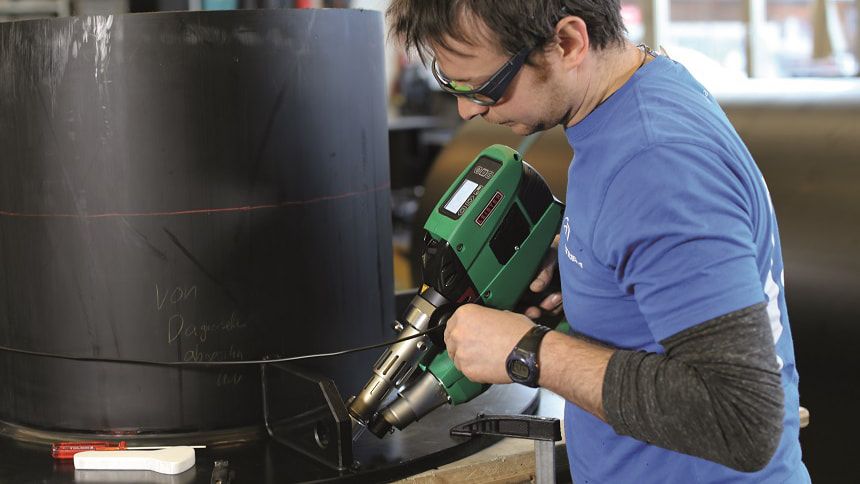
Over time, manufacturers developed multiple welding techniques to accommodate different types of plastics and product designs. These methods include hot air welding, ultrasonic welding, extrusion welding, spin welding, and laser welding. Each method is suited for particular applications and materials such as polyethylene, polypropylene, PVC, or ABS.
Plastic welding machines therefore play an important role in modern manufacturing processes, enabling efficient assembly of plastic components while maintaining structural integrity and product performance.
Why Plastic Welding Machines Matter in Modern Industries
Plastic materials have become fundamental in industries ranging from infrastructure to electronics. Because many plastic products require sealed joints or structural bonding, welding technologies have become essential tools in production lines and repair environments.
Plastic welding machines address several practical challenges.
First, they create strong and durable bonds between thermoplastic components. This is particularly important for products such as water tanks, pipes, automotive panels, and industrial containers that must withstand pressure, vibration, or environmental exposure.
Second, welding allows manufacturers to produce lightweight products without relying on screws or adhesives. Mechanical fasteners can weaken plastic structures or add unnecessary weight, while adhesives may degrade over time. Welding techniques provide a cleaner and more integrated joint.
Third, plastic welding supports high-precision manufacturing. In sectors such as electronics, medical devices, and automotive components, parts often require accurate alignment and consistent bonding. Advanced welding technologies help achieve these results while maintaining production efficiency.
Several industries commonly rely on plastic welding technology.
-
Construction and infrastructure
-
Automotive manufacturing
-
Packaging production
-
Consumer electronics
-
Medical device manufacturing
-
Chemical storage and piping systems
These industries benefit from the ability to assemble plastic components efficiently while maintaining safety and performance standards.
Recent Developments and Technological Trends
Plastic welding technology continues to evolve as manufacturers seek greater precision, automation, and environmental efficiency.
One major development in recent years is the growing use of laser plastic welding systems. These systems focus laser energy on a joint area to create a clean and controlled weld. They are especially useful for electronics and medical components where precision is critical.
Another trend involves automation and robotics integration in manufacturing lines. Industrial robots equipped with ultrasonic or hot plate welding systems can perform repetitive welding operations with high accuracy. This improves consistency while reducing production errors.
Digital monitoring technologies are also becoming more common. Smart welding systems now incorporate sensors that measure temperature, pressure, and weld time. Data from these sensors helps engineers analyze welding quality and maintain process control.
Environmental considerations are also influencing plastic welding innovations. As industries focus on reducing waste and improving sustainability, welding methods that minimize material loss and energy consumption are receiving greater attention.
Additionally, improvements in material science have led to new thermoplastic blends that require specialized welding parameters. Manufacturers are adapting machines to handle these advanced materials while maintaining reliable bonding performance.
These trends demonstrate how plastic welding machines are evolving alongside modern manufacturing technologies.
Regulatory and Policy Considerations
Plastic welding activities are often influenced by broader industrial safety and environmental guidelines. While the specific rules can vary depending on region and sector, several general regulatory areas commonly affect plastic welding operations.
Workplace safety standards play an important role. Welding processes involve high temperatures, heated tools, and sometimes fumes generated from melting plastic materials. Industrial safety guidelines typically require protective equipment, ventilation systems, and proper operator training.
Environmental regulations may also affect how plastic welding operations are conducted. Facilities may need to manage emissions, ensure safe disposal of plastic scraps, and reduce environmental impact during manufacturing.
Product quality standards are another consideration. Certain industries, particularly medical, automotive, and infrastructure sectors, require products to meet strict technical standards. Welding methods used in these sectors must produce joints that meet durability and safety requirements.
Manufacturers and technicians typically follow documented procedures, quality testing methods, and equipment calibration protocols to ensure consistent weld performance.
Understanding these regulatory influences helps organizations maintain safe operations while ensuring that welded plastic products meet technical expectations.
Tools and Resources Related to Plastic Welding
Professionals working with plastic welding machines often rely on various tools and resources to improve efficiency, safety, and accuracy.
Some tools help calculate welding parameters, while others assist with training or equipment setup.
Common tools and resources include
-
Plastic welding parameter calculators
-
Material compatibility charts
-
Welding temperature reference guides
-
Industrial training manuals
-
Digital monitoring software for welding systems
-
Safety documentation templates
These resources help technicians select appropriate welding settings based on material type, thickness, and application.
The following table illustrates how different welding techniques relate to typical materials and applications.
| Welding Method | Common Materials | Typical Applications |
|---|---|---|
| Hot Air Welding | PVC, PE, PP | Plastic tanks, piping repairs |
| Ultrasonic Welding | ABS, PS | Electronics housings, small components |
| Extrusion Welding | HDPE, PP | Large plastic structures, containers |
| Spin Welding | Thermoplastics | Cylindrical parts and caps |
| Laser Welding | Transparent and engineered plastics | Precision electronics and medical devices |
Engineers also use digital simulation software to test welding conditions before physical production begins. This helps identify optimal temperature, pressure, and cycle time parameters.
Visual inspection tools and testing equipment are often used after welding to verify joint strength and structural integrity.
These practical resources help ensure that welding processes remain consistent and reliable across different production environments.
Common Questions About Plastic Welding Machines
What types of plastics can be welded?
Most plastic welding techniques are designed for thermoplastics, which soften when heated and solidify when cooled. Common weldable materials include polyethylene (PE), polypropylene (PP), PVC, ABS, and polycarbonate. Thermoset plastics generally cannot be welded because they do not remelt when heated.
How does plastic welding differ from adhesive bonding?
Plastic welding joins materials by melting and fusing them together, creating a bond at the molecular level. Adhesive bonding relies on an external substance to hold materials together. Welding often produces stronger and more durable joints for many industrial applications.
Is plastic welding suitable for small components?
Yes. Techniques such as ultrasonic welding and laser welding are specifically designed for small and precise components. These methods are frequently used in electronics, medical devices, and consumer products.
What factors influence welding quality?
Several factors affect weld quality, including material compatibility, temperature, pressure, welding time, and surface preparation. Proper equipment calibration and operator training also contribute to consistent results.
Are plastic welding machines used only in manufacturing?
While manufacturing facilities are major users, plastic welding machines are also used for repair and maintenance tasks. Technicians may use them to repair plastic tanks, pipes, liners, and other infrastructure components.
Understanding the Plastic Welding Process
To better understand how plastic welding works, it helps to examine the general steps involved in the process.
The following simplified workflow illustrates a typical plastic welding procedure.
| Step | Description |
|---|---|
| Surface Preparation | Surfaces are cleaned and aligned before welding |
| Heating Phase | Heat or energy softens the plastic material |
| Pressure Application | Components are pressed together to form a bond |
| Cooling Phase | The fused joint solidifies and gains strength |
| Inspection | The welded area is checked for quality and durability |
This structured process helps ensure that welded joints maintain strength and reliability across different applications.
Conclusion
Plastic welding machines have become an essential part of modern manufacturing and infrastructure development. By enabling thermoplastic materials to be joined through heat and pressure, these machines support the production of durable, lightweight, and reliable plastic products.
Their applications span multiple industries, including construction, automotive engineering, packaging, and electronics. As materials science and manufacturing technologies continue to advance, plastic welding systems are evolving to offer greater precision, automation, and efficiency.
Understanding the basics of plastic welding—from the underlying processes to the tools and safety considerations—helps engineers, technicians, and learners appreciate the role this technology plays in shaping many everyday products.