Plastering Machines: A Practical Guide to Basics, Uses, and Helpful Insights
Plastering machines are mechanical devices used to apply plaster or mortar evenly onto walls, ceilings, and other surfaces. Instead of relying entirely on manual plastering techniques with hand tools, these machines automate the mixing, pumping, and spraying of plaster materials. This process helps create consistent surfaces while reducing physical labor and time.
Plastering itself is an essential stage in construction and renovation. It involves applying a protective or decorative layer of material—commonly cement plaster, gypsum plaster, or lime plaster—onto masonry surfaces. Traditionally, workers spread plaster manually using trowels and floats. While effective, manual plastering can be time-consuming and may vary in quality depending on the skill of the worker.
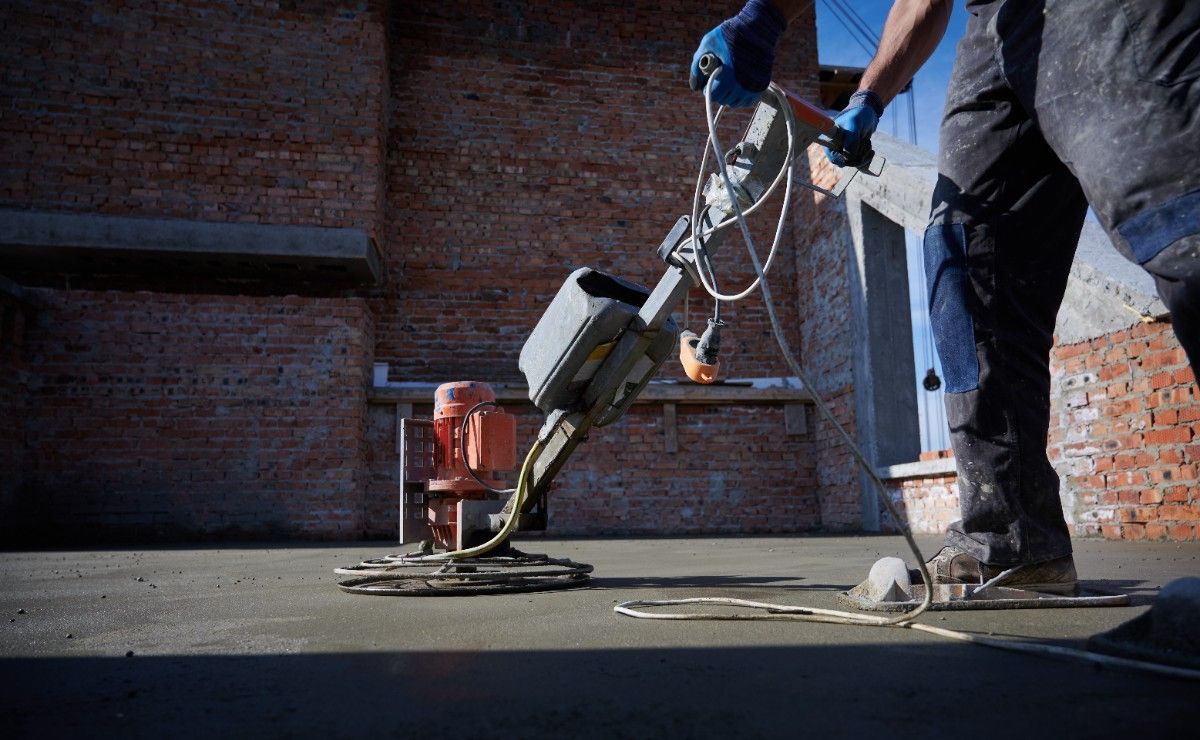
The introduction of plastering machines addressed many of these limitations. These machines were developed to improve efficiency, accuracy, and consistency in large-scale construction environments. They are commonly used in residential buildings, commercial complexes, and infrastructure projects where uniform plaster thickness is important.
A typical plastering machine includes several core components:
-
A material hopper where plaster or mortar mixture is loaded
-
A mixing system that combines dry materials with water
-
A pump mechanism that moves the mixture through hoses
-
A spray gun or nozzle used to apply plaster onto surfaces
This automated system allows plaster to be applied in a continuous flow, making it easier to cover large wall areas quickly and evenly.
Why Plastering Machines Matter in Modern Construction
Construction practices have evolved as building projects become larger and more complex. Plastering machines help meet the demand for faster project completion while maintaining quality standards.
One of the main reasons these machines are widely used today is their ability to improve productivity. A plastering machine can apply plaster much faster than manual methods, particularly on large surfaces such as apartment blocks, office towers, and industrial structures.
Another key advantage is surface consistency. Manual plastering depends heavily on the experience of the worker. Machines, on the other hand, deliver a steady flow of material, helping maintain even thickness and smoother finishes.
Several construction challenges are addressed by plastering machines:
-
Labor efficiency: They reduce the need for intensive manual work
-
Time management: Projects can progress faster
-
Material control: Machines mix plaster in controlled ratios
-
Surface quality: More uniform wall finishes are achievable
These machines also help reduce physical strain on workers. Traditional plastering involves repetitive lifting, mixing, and spreading tasks. With a machine handling the mixing and pumping process, workers can focus more on guiding the spray and finishing surfaces.
Plastering machines are often used in projects involving:
-
Residential housing developments
-
Commercial buildings
-
Hospitals and educational institutions
-
Infrastructure structures such as tunnels or parking facilities
Because of these advantages, the technology has become an important part of modern construction workflows.
Trends and Developments in Plastering Machine Technology
In recent years, the construction equipment industry has seen steady innovation in plastering machine design. Manufacturers and engineers continue to improve machine performance, portability, and energy efficiency.
One noticeable trend is the development of compact and mobile plastering machines. These units are easier to transport across construction sites or between floors in multi-story buildings. Portable designs help contractors operate efficiently in smaller workspaces.
Another development is the integration of automated mixing systems. Newer machines can maintain consistent material ratios during mixing, helping ensure uniform plaster quality throughout the application process.
Digital monitoring features are also becoming more common. Some machines now include control panels or sensors that track:
-
Pump pressure levels
-
Water flow during mixing
-
Material consumption rates
-
Operational performance indicators
These features help operators maintain optimal machine performance while minimizing material waste.
The past year has also seen growing interest in gypsum-based plastering systems used with spray machines. Gypsum plasters can dry faster than traditional cement-based mixes, which helps accelerate finishing stages in construction projects.
Additionally, the use of plastering machines has expanded beyond large infrastructure projects. Smaller contractors and renovation teams are increasingly adopting these machines to improve efficiency in residential construction.
Regulations and Safety Considerations
Construction equipment such as plastering machines must follow general safety and operational guidelines that apply to machinery used on building sites. These rules typically focus on worker protection, equipment handling, and environmental considerations.
Operators are usually required to follow safety practices that include:
-
Proper training for machine operation
-
Use of protective equipment such as gloves, masks, and helmets
-
Regular inspection of hoses, pumps, and electrical systems
-
Safe handling of cement or gypsum materials
Dust management is another important aspect. Plastering materials can generate fine particles during mixing and spraying. Many construction standards emphasize ventilation, dust control measures, and protective masks to reduce inhalation risks.
Equipment maintenance guidelines are also important. Construction safety policies often require machinery to undergo periodic inspection and servicing. This helps ensure reliable performance and prevents mechanical failures during operation.
In addition, building regulations may specify acceptable plaster thickness, finishing standards, and material composition for walls and ceilings. Plastering machines help achieve these requirements more consistently compared with manual methods.
Tools and Resources Related to Plastering Machines
Several digital tools and resources help construction professionals plan plastering work more efficiently. These tools support calculations, equipment management, and project organization.
Construction Calculators
Online calculators help estimate plaster quantities and surface coverage. They allow builders to input wall dimensions and plaster thickness to determine approximate material requirements.
Examples of calculations include:
-
Wall surface area estimation
-
Mortar or plaster volume estimation
-
Material mixing ratios
Construction Project Management Platforms
Project management software helps coordinate construction tasks and equipment usage. These platforms can track schedules, material usage, and site documentation.
Common functions include:
-
Task planning and scheduling
-
Site progress monitoring
-
Equipment allocation tracking
Digital Measurement Tools
Laser measuring devices and digital layout tools are often used before plastering begins. Accurate measurements help ensure plaster is applied evenly across surfaces.
Equipment Manuals and Technical Guides
Most plastering machines come with detailed technical manuals that explain:
-
Operating procedures
-
Maintenance routines
-
Troubleshooting steps
These guides are essential for safe and effective machine operation.
Typical Components of a Plastering Machine
| Component | Function |
|---|---|
| Hopper | Holds dry plaster or mortar material |
| Mixer | Combines material with water |
| Pump System | Pushes plaster through hoses |
| Spray Gun | Applies plaster to wall surfaces |
| Control Panel | Adjusts pressure and mixing ratios |
Example Workflow of Machine Plastering
| Stage | Description |
|---|---|
| Surface Preparation | Walls cleaned and dampened |
| Material Mixing | Dry mix combined with water |
| Pumping Process | Mixture transported through hoses |
| Spraying | Plaster sprayed onto wall surface |
| Finishing | Workers level and smooth the plaster |
Frequently Asked Questions
What materials can be used in plastering machines?
Plastering machines typically handle cement plaster, gypsum plaster, lime-based plaster, and certain ready-mix plaster products. The compatibility depends on the machine design and pump capacity.
How do plastering machines improve construction efficiency?
These machines automate mixing and spraying processes, allowing workers to cover larger wall areas in less time. This helps reduce manual effort and maintain consistent plaster thickness.
Are plastering machines suitable for small construction projects?
Some compact plastering machines are designed for smaller projects or renovation work. Portable models allow operators to work in limited spaces while still benefiting from mechanical plaster application.
What maintenance does a plastering machine require?
Regular maintenance includes cleaning hoses and pumps after use, inspecting seals and valves, checking electrical components, and ensuring proper lubrication of moving parts.
Is surface finishing still done manually?
Yes. Although the machine sprays plaster onto the wall, workers usually perform final leveling and smoothing using hand tools to achieve the desired surface finish.
Conclusion
Plastering machines represent an important technological advancement in modern construction. By automating the mixing and application of plaster materials, these machines help improve productivity, consistency, and workflow efficiency on building sites.
Their ability to apply plaster evenly across large surfaces makes them particularly useful in residential and commercial construction projects. As construction technology continues to evolve, plastering machines are becoming more compact, efficient, and adaptable to different building environments.