Photography Cameras Explained: Explore Features, Discover Camera Types, Tips, Insights, and Essential Photography Knowledge
Photography cameras are optical devices designed to capture images by recording light through a lens onto a light-sensitive surface. Historically, cameras were invented to preserve visual scenes in a permanent format, enabling documentation, storytelling, and artistic expression. Over time, camera technology evolved from early film-based devices to modern digital imaging systems capable of capturing high-resolution photographs and videos.
The fundamental concept behind a camera is simple: light enters through a lens, passes through an adjustable aperture and shutter system, and reaches a sensor or film where the image is recorded. Although the basic principle has remained similar for centuries, advances in electronics, optics, and digital processing have significantly expanded camera capabilities.
Photography cameras exist to help individuals, researchers, journalists, artists, scientists, and everyday users document events, communicate ideas visually, and explore creative perspectives.
Importance: Why Photography Cameras Matter Today
Photography cameras play a vital role in modern communication, education, science, journalism, and personal storytelling. Images captured by cameras shape how people understand events, cultures, and environments around the world.
Why photography cameras matter today:
-
Visual communication: Images convey information quickly and clearly.
-
Documentation: Cameras record historical moments, scientific observations, and everyday life.
-
Creative expression: Photography provides a powerful artistic medium.
-
Education and research: Cameras support fields such as biology, astronomy, architecture, and environmental studies.
-
Digital storytelling: Visual media is central to modern online communication and media platforms.
Photography cameras affect professional photographers, filmmakers, journalists, educators, students, researchers, travelers, and hobbyists. They help solve challenges related to documentation accuracy, visual storytelling, and creative representation of complex subjects.
Recent Updates: Technology Trends and Developments (2024–2025)
Over the past year, photography cameras have continued to evolve with improvements in sensor performance, computational imaging, and portability.
| Year | Update or Trend | Impact on Photography |
|---|---|---|
| 2024 | Higher dynamic range sensors | Improved detail in bright and dark areas |
| 2024 | Advanced autofocus tracking | Better subject detection and motion capture |
| 2025 | Hybrid photo-video capabilities | Cameras supporting both photography and cinematic recording |
| 2025 | Improved image stabilization systems | Sharper images in handheld shooting conditions |
Recent developments also highlight growing interest in lightweight mirrorless cameras, improved low-light performance, and enhanced color accuracy for professional workflows. These innovations help photographers capture clearer images in more challenging environments.
Laws, Regulations, and Policy Considerations
Photography cameras are influenced by several laws and policies related to privacy, public safety, and intellectual property.
Key regulatory areas include:
-
Privacy laws: Many countries regulate photography in private spaces or situations involving personal data.
-
Drone and aerial photography rules: Special permissions may be required when cameras are mounted on aerial devices.
-
Copyright laws: Photographs are protected intellectual property belonging to the creator.
-
Cultural heritage restrictions: Some historical sites limit photography to protect artifacts and visitors.
-
Public security guidelines: Photography near sensitive infrastructure may be restricted.
In India and many other countries, government agencies and cultural institutions provide guidelines to ensure photography respects privacy, cultural norms, and security considerations.
Types of Photography Cameras
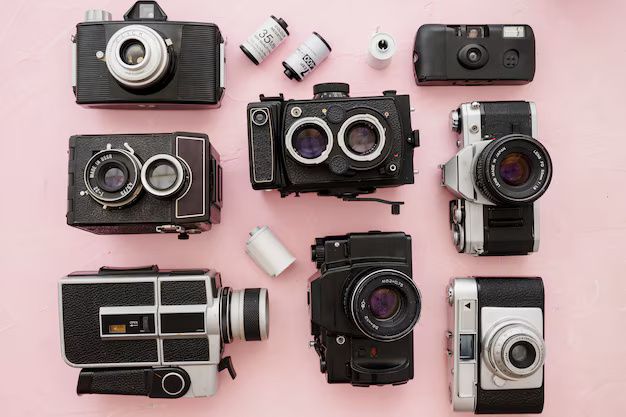
Photography cameras come in several categories, each designed for different uses and skill levels.
| Camera Type | Key Characteristics | Typical Users |
|---|---|---|
| DSLR Cameras | Interchangeable lenses, optical viewfinder | Professionals and enthusiasts |
| Mirrorless Cameras | Compact design with electronic viewfinder | Travel and professional photography |
| Compact Cameras | Fixed lens, portable design | Casual photography |
| Action Cameras | Durable and lightweight | Adventure and sports activities |
| Medium Format Cameras | Large sensors for extreme detail | Studio and commercial photography |
Each type offers different advantages depending on portability, image quality, and creative control.
Essential Camera Features Explained
Understanding camera features helps photographers capture better images.
Important camera components include:
-
Lens system: Determines field of view, sharpness, and creative perspective.
-
Sensor size: Larger sensors generally capture more detail and better low-light performance.
-
Aperture: Controls the amount of light entering the camera and influences depth of field.
-
Shutter speed: Determines how motion appears in a photograph.
-
ISO sensitivity: Adjusts the camera’s sensitivity to light.
Balancing these elements—often called the exposure triangle—is fundamental to effective photography.
Tools and Resources for Learning Photography
A wide range of educational resources can help beginners and experienced photographers improve their skills.
Helpful learning resources include:
-
Online photography courses and tutorials
-
Visual composition guides
-
Exposure calculators and lighting charts
-
Photography books and digital manuals
-
Camera manufacturer documentation
Practical tools used by photographers:
-
Light meters
-
Tripods and stabilization equipment
-
Lens cleaning kits
-
Image editing applications
-
Color calibration tools
These resources support both technical understanding and creative development.
Photography Tips for Beginners
For those starting with photography, simple techniques can improve image quality significantly.
Helpful tips:
-
Understand natural light and shooting angles.
-
Use stable support for sharper images.
-
Learn basic exposure settings.
-
Experiment with composition techniques such as leading lines and framing.
-
Practice regularly to develop visual awareness.
Photography improves through observation, experimentation, and patience.
Frequently Asked Questions
What is the difference between DSLR and mirrorless cameras?
DSLR cameras use a mirror-based optical system, while mirrorless cameras use electronic viewfinders and have fewer moving parts.
Why is sensor size important in photography?
Sensor size affects image quality, especially in low-light conditions and depth-of-field control.
Do professional photographers always use expensive cameras?
Professional results depend on skill, lighting, and composition as much as equipment quality.
What is the exposure triangle?
The exposure triangle refers to the relationship between aperture, shutter speed, and ISO that determines image brightness.
How can beginners improve their photography skills?
Learning camera basics, studying composition, and practicing regularly are key steps.
Conclusion
Photography cameras remain one of the most powerful tools for visual communication and creative exploration. From documenting everyday moments to capturing historic events, cameras enable people to preserve memories and share perspectives with the world.
Advances in technology continue to improve camera performance, making high-quality photography more accessible than ever. By understanding camera types, key features, regulations, and learning resources, individuals can build strong foundational knowledge and develop their own photographic style.
Photography ultimately combines technology, creativity, and observation, making it both a technical skill and an expressive art form.