Pharmaceutical Manufacturing: An Overview to Explore Basics, Processes, and Key Insights
Pharmaceutical manufacturing refers to the structured process of producing medicines on a large scale using controlled scientific and industrial methods. It transforms active chemical or biological substances into safe, standardized pharmaceutical products such as tablets, capsules, injections, creams, and vaccines.
The pharmaceutical industry relies on strict procedures, precise equipment, and detailed quality control systems to ensure that medicines remain effective and safe for patients. Every step—from raw material preparation to final packaging—follows documented guidelines and standardized manufacturing processes.
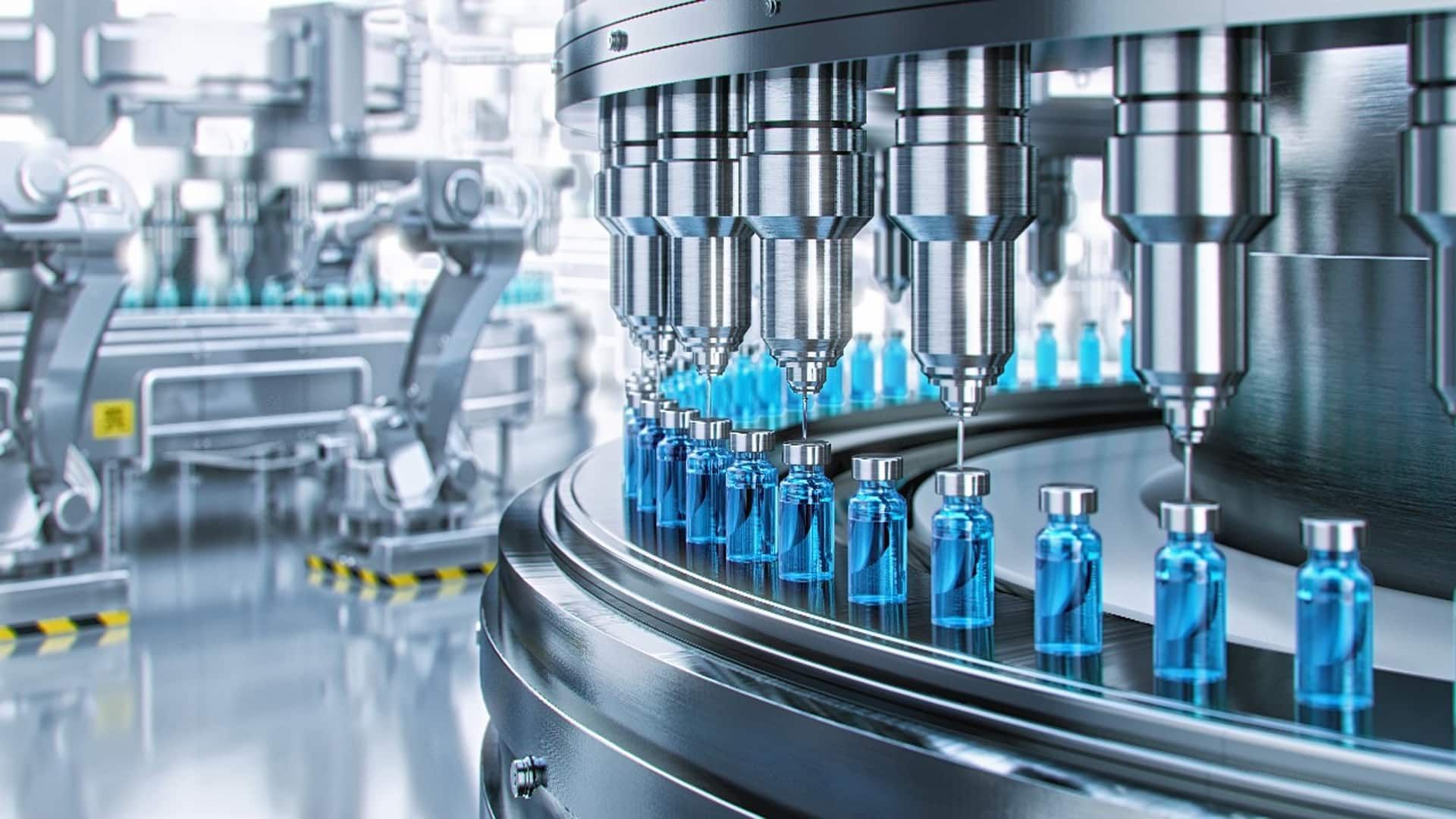
In modern healthcare systems, pharmaceutical manufacturing plays a critical role in ensuring that medications reach hospitals, pharmacies, and healthcare providers in consistent quality and supply.
Understanding Pharmaceutical Manufacturing and Core Processes
Pharmaceutical manufacturing combines chemistry, biology, engineering, and quality science to produce medicines at scale. The process begins with identifying an active pharmaceutical ingredient (API), which provides the therapeutic effect of the medicine.
Once the API is validated, it is combined with excipients—substances that stabilize or help deliver the drug effectively. These materials then go through several controlled stages before becoming a finished product.
Common Dosage Forms
| Dosage Type | Description |
|---|---|
| Tablets | Solid compressed forms |
| Capsules | Gel-based containers with medicine |
| Liquid Suspensions | Liquid-based formulations |
| Injectables | Sterile solutions for injection |
| Topical Forms | Creams and gels for skin application |
Key Manufacturing Stages
| Stage | Description |
|---|---|
| Raw Material Preparation | Verification and purity testing |
| Formulation Development | Combining API with excipients |
| Processing | Mixing, granulation, compression, or filling |
| Quality Control Testing | Ensuring safety and consistency |
| Packaging & Labeling | Final product preparation |
Each stage is carefully monitored to maintain consistency, safety, and effectiveness across production batches.
Why Pharmaceutical Manufacturing Matters Today
Pharmaceutical manufacturing is essential for modern healthcare systems. It ensures that medicines are available for treating diseases, managing chronic conditions, and responding to health emergencies.
Key stakeholders include:
- Patients needing reliable treatments
- Healthcare professionals ensuring accurate care
- Research organizations scaling new therapies
Major benefits:
- Consistent medication quality
- Reliable global supply chains
- Support for vaccine production
- Improved disease prevention and treatment
- Strengthened healthcare infrastructure
Without efficient manufacturing systems, access to safe and effective medicines would be limited.
Recent Developments and Industry Trends
Pharmaceutical manufacturing continues to evolve with technological advancements and increased demand for efficiency and transparency.
Key trends include:
Automation and Digital Monitoring
Modern facilities use sensors and real-time monitoring systems to track:
- Temperature
- Pressure
- Humidity
- Batch quality
These systems help detect issues early and maintain quality standards.
Continuous Manufacturing
Unlike traditional batch production, continuous manufacturing allows:
- Constant production flow
- Real-time monitoring
- Reduced waste
- Faster output
AI and Smart Factories
Artificial intelligence is increasingly used for:
- Process optimization
- Quality prediction
- Data analysis
Growth of Biologics
Manufacturing is expanding into:
- Cell therapies
- Gene therapies
- Biologic medicines
Manufacturing Models Comparison
| Model | Characteristics |
|---|---|
| Batch Manufacturing | Step-by-step production with testing after completion |
| Continuous Manufacturing | Ongoing production with real-time monitoring |
| Modular Manufacturing | Flexible, scalable production units |
These innovations aim to improve efficiency, flexibility, and product consistency.
Regulatory Frameworks and Compliance
Pharmaceutical manufacturing operates under strict regulations to ensure safety and quality.
Key standard: Good Manufacturing Practice (GMP)
GMP focuses on:
- Facility design
- Equipment maintenance
- Documentation and traceability
- Quality assurance
Regulatory oversight includes:
- Facility inspections
- Batch verification
- Documentation audits
- Quality system reviews
Additional systems:
- Pharmacovigilance (post-market safety monitoring)
- Traceability systems for production tracking
These frameworks ensure that medicines meet strict safety and quality standards before reaching patients.
Tools and Resources in Pharmaceutical Manufacturing
Modern pharmaceutical production relies on advanced tools and digital systems.
Key tools include:
| Tool | Purpose |
|---|---|
| MES (Manufacturing Execution Systems) | Track production processes |
| LIMS (Laboratory Information Management Systems) | Manage lab data |
| EBR (Electronic Batch Records) | Replace paper records |
| PAT (Process Analytical Technology) | Monitor real-time production |
| QMS (Quality Management Systems) | Ensure compliance and quality |
Additional resources:
- Stability testing databases
- Formulation calculators
- Regulatory guidance platforms
- Clinical trial registries
- Scientific research libraries
These tools improve accuracy, traceability, and regulatory compliance.
Frequently Asked Questions
What is pharmaceutical manufacturing?
It is the industrial process of producing medicines using APIs and excipients, including formulation, processing, testing, and packaging.
What is an API?
An active pharmaceutical ingredient is the main substance that produces the intended therapeutic effect in a medicine.
What is GMP?
Good Manufacturing Practice ensures medicines are consistently produced and controlled according to strict safety and quality standards.
What is the difference between batch and continuous manufacturing?
Batch manufacturing produces medicines in separate cycles, while continuous manufacturing uses a constant production flow with real-time monitoring.
Why is quality control important?
Quality control ensures that medicines meet required safety, strength, and purity standards before reaching patients.
Conclusion
Pharmaceutical manufacturing is a cornerstone of modern healthcare, enabling the large-scale production of safe and effective medicines. Through advanced technologies, strict quality control, and regulatory compliance, manufacturers ensure that medications meet consistent standards.
As the industry evolves, innovations such as automation, continuous manufacturing, and digital monitoring are improving efficiency while maintaining high safety standards. These advancements support the growing global demand for reliable and accessible healthcare solutions