Penstock Pipes: A Complete Guide with Key Insights, Facts & Helpful Resources
Penstock pipes are large, pressurized conduits used to carry water from reservoirs or intake structures to hydro turbines, water treatment facilities, and industrial systems. They play a central role in hydraulic engineering, hydropower generation, flood management, and controlled water distribution systems. Their design focuses on strength, high-pressure resistance, and durability, especially when operating in demanding environments.
The idea behind penstock systems developed as waterpower technologies expanded in the early 20th century. Engineers needed a stable way to move high-velocity water to energy-producing turbines without losing pressure or compromising safety. Today, penstock pipes continue to support hydropower plants, irrigation networks, and industrial water infrastructure, making them essential components of modern water-resource management.
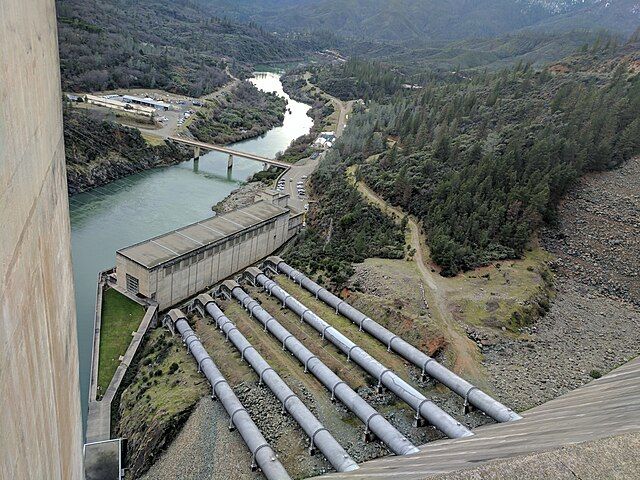
Common materials used in penstock pipe construction include steel, reinforced concrete, GRP (glass-reinforced plastic), and ductile iron. Each material is chosen based on terrain, environmental exposure, water pressure levels, and long-term maintenance needs.
High-value informational keywords include hydropower pipeline systems, industrial water infrastructure, pressure management technology, fluid-transport engineering, and large-diameter pipe design.
Why Penstock Pipes Matter Today and Who They Impact
Penstock pipes support several critical sectors, making them important for communities, industries, and national infrastructure. Their significance has grown as countries expand renewable-energy capacity and upgrade old water-supply networks.
Why they matter today
-
They enable hydropower generation, one of the most stable renewable-energy sources worldwide.
-
They ensure controlled water flow, supporting safe operation of dams and power stations.
-
They help maintain pressure stability, which protects turbines, valves, and structural components from damage.
-
They improve water resource management, especially in regions with seasonal rainfall or water scarcity.
-
They play a role in industrial processes, including cooling systems, refinery operations, and large-scale manufacturing.
Who they affect
-
Hydropower plant operators, who rely on secure pressure-resistant systems.
-
Civil and hydraulic engineers, who design, inspect, and maintain pipeline networks.
-
Environmental and regulatory agencies, responsible for monitoring water systems and structural safety.
-
Industrial facilities, where water flow control supports daily operations.
-
Communities downstream of reservoirs or dams, as penstock systems influence overall water-management safety.
Problems penstock pipes help solve
-
Reducing pressure fluctuations that could damage turbines or water-control equipment
-
Preventing structural failure by enabling smooth, predictable water movement
-
Supporting renewable-energy generation without depending on fossil fuels
-
Improving long-term water-transport efficiency in large-scale infrastructure projects
Recent Updates and Trends in Penstock Technology
The past year has seen several improvements in materials, monitoring technology, and safety standards related to penstock systems. These reflect broader efforts to modernize energy and water infrastructure.
Key trends
-
Digital monitoring systems
By mid-2024, many hydropower facilities began adopting real-time structural monitoring tools based on fiber-optic sensors and IoT pressure gauges. These systems help detect micro-cracks, internal corrosion, and pressure irregularities before they escalate. -
Use of corrosion-resistant coatings
Research published in late-2024 highlighted growing adoption of advanced epoxy and polyurethane coatings for steel penstocks. These coatings extend service life in high-moisture environments and reduce maintenance shutdowns. -
Increased interest in renewable-energy expansion
Several countries announced hydropower expansion programs in 2024–2025, which increased demand for durable large-diameter pipelines, especially in mountainous regions. -
Shift toward GRP and composite materials
New studies in early 2025 indicate a rise in composite-based penstock systems due to their lighter weight and higher corrosion resistance. These materials help reduce installation challenges in remote areas.
Illustrative Table: Emerging Penstock Materials (2024–2025)
| Material Type | Key Advantages | Typical Applications |
|---|---|---|
| Steel | High strength, high pressure capacity | Large hydropower plants |
| GRP | Corrosion resistance, lower weight | Medium-pressure water supply |
| Reinforced Concrete | Low cost, strong rigidity | Long-distance gravity pipelines |
| Ductile Iron | Reliability, impact resistance | Industrial water systems |
These developments show an increasing focus on efficiency, sustainability, and safety in water-transport engineering.
How Regulations and Policies Influence Penstock Pipes
Penstock pipes operate in areas where safety, environmental protection, and infrastructure reliability are tightly regulated. Government agencies typically oversee dam safety, hydropower operations, and large pipeline installations.
Common regulatory themes across countries
-
Hydropower safety guidelines
Many countries require periodic inspections of turbine-feed pipelines to minimize risks associated with high-pressure flows. -
Environmental impact assessments
Projects using penstock systems often undergo ecological reviews to ensure minimal disturbance to water habitats and natural landscapes. -
Construction standards and load specifications
National engineering codes typically outline rules for material thickness, weld quality, corrosion protection, and pressure-rating requirements. -
Monitoring and reporting rules
Facilities may be required to maintain data on water flow, pressure variations, and structural conditions, especially in older dams. -
Emergency-preparedness policies
Governments generally mandate plans for safe shutdown and controlled water release in case of pipeline failure or extreme weather events.
Policy-related table: Typical Oversight Areas
| Regulatory Area | Purpose | Examples of Requirements |
|---|---|---|
| Structural Safety | Prevent pipeline failure | Stress analysis, weld inspections |
| Environmental Review | Protect ecosystems | Impact assessment, mitigation plans |
| Water-Flow Control | Maintain stable operation | Flow monitoring, pressure logging |
| Worker Safety | Ensure safe maintenance | Protective protocols, access systems |
These frameworks help ensure penstock pipes remain safe, reliable, and environmentally responsible.
Useful Tools, Resources, and Technical Support Options
Various tools and resources help engineers, students, and researchers learn about or work with penstock systems. These tools assist with design calculations, pressure analysis, and project planning.
Technical tools and calculators
-
Pipe Flow Expert – for simulating pressure drops and flow velocity in large pipelines.
-
Hydraulic Calculator Apps – mobile tools for head-loss calculations and pipe-diameter estimates.
-
CAD and BIM software – tools like AutoCAD and Revit support visualization and structural modeling.
-
Finite Element Analysis (FEA) tools – used for assessing stress distribution in steel or composite penstocks.
Useful online resources
-
Engineering academic journals on hydraulic engineering
-
Hydropower research centers publishing design guidelines
-
International water-resource associations offering technical reports
-
Civil-engineering manuals for large-diameter pipeline design
Training and documentation
-
Safety handbooks related to dam and turbine-feed systems
-
Inspection checklists for high-pressure pipeline maintenance
-
Engineering textbooks focusing on water-transport infrastructure
-
Case studies on hydropower-efficiency improvements
These resources support learning, planning, and long-term infrastructure management.
Frequently Asked Questions
What are penstock pipes used for?
Penstock pipes carry high-pressure water to turbines, water-treatment units, and industrial systems. Their main role is to maintain controlled water movement with minimal pressure loss.
Why do penstock pipes need high-strength materials?
They operate under significant internal pressure and require strong materials to prevent deformation, leakage, or structural failure. Materials like steel and ductile iron provide the necessary resilience.
How long can penstock pipes last?
Service life depends on the material, installation quality, and operating conditions. Well-maintained steel penstock systems may function for several decades when regularly inspected and protected against corrosion.
What factors influence the design of a penstock system?
Design considerations include water head, flow rate, pipe diameter, pressure rating, terrain, installation method, and environmental exposure.
Are penstock pipes only used in hydropower plants?
No. They are also used in irrigation networks, municipal water systems, flood-control structures, and industrial facilities requiring controlled water flow.
Conclusion
Penstock pipes remain an essential part of modern hydraulic engineering and water-resource infrastructure. Their ability to manage high-pressure water flow supports hydropower generation, industrial operations, and long-distance water transport. With continuing upgrades in materials, monitoring systems, and environmental regulations, penstock technology is evolving to meet the demands of safer and more efficient water-management systems. As renewable-energy development expands globally, understanding penstock design, usage, and maintenance becomes increasingly important for engineers, policymakers, and infrastructure planners.