Patio Grill Station Furniture: An Explore Guide to Basics, Tips, and Practical Insights
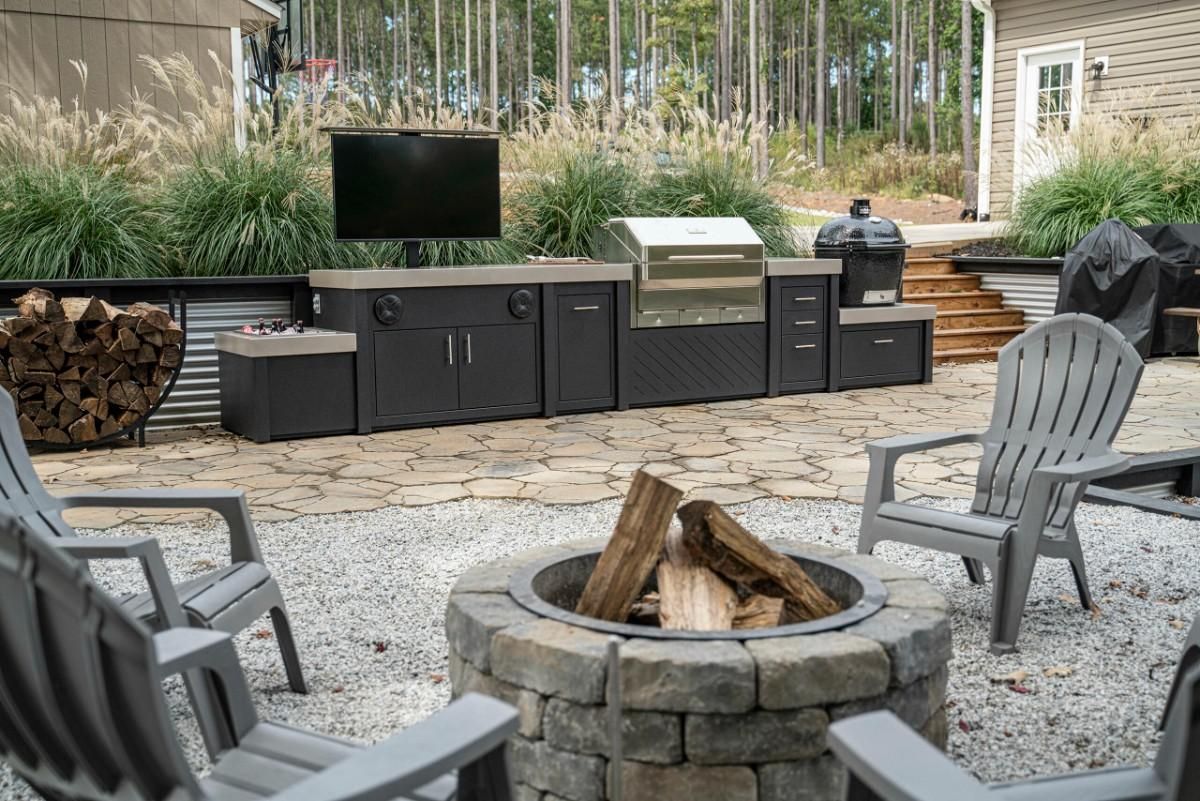
Patio grill station furniture refers to outdoor-ready structures designed to support grilling and food preparation in open-air spaces such as patios, terraces, decks, and gardens. These units often combine a grill area with countertops, storage compartments, and weather-resistant surfaces, creating a dedicated zone for outdoor cooking. The concept exists to bring indoor-style functionality outside, allowing people to prepare meals, organize tools, and manage heat and smoke in a more structured way than using a standalone grill.
As outdoor living spaces have become extensions of the home, grill station furniture has evolved from simple metal stands into modular systems that integrate with seating, lighting, and landscape layouts. The goal is not decoration alone, but practical organization, safety, and durability in environments exposed to sun, wind, and moisture.
Importance
Patio grill station furniture matters today because outdoor cooking is no longer occasional. Many households use patios regularly for meals, gatherings, and everyday routines. A well-designed grill station affects how efficiently and safely this activity happens.
Key reasons it matters include:
-
Functional organization: Dedicated surfaces reduce clutter and improve food handling.
-
Heat and safety management: Stable structures help manage open flames and hot equipment.
-
Space optimization: Built-in storage keeps tools, utensils, and fuel organized.
-
Durability needs: Outdoor conditions demand materials that resist corrosion and warping.
This topic affects homeowners, renters with shared outdoor areas, property designers, and facility managers. It helps solve problems such as limited preparation space, unstable grill placement, and exposure-related wear that shortens the usable life of outdoor equipment.
Recent Updates
Over the past year, patio grill station furniture has reflected broader outdoor living trends. Modular designs have gained attention, allowing users to rearrange components based on available space. There has also been increased focus on low-maintenance materials such as powder-coated steel, engineered stone surfaces, and composite panels that balance appearance with weather resistance.
Another noticeable update is the integration of utility-ready features. Many designs now account for built-in ventilation gaps, cable channels for lighting accessories, and adaptable layouts that support different grill sizes. Sustainability discussions have also influenced material sourcing, with more emphasis on long-lasting construction to reduce replacement frequency.
Digital planning tools have become more common as well, enabling users to visualize layouts before installation. These developments reflect a shift toward informed decision-making rather than impulse setup.
Laws or Policies
Patio grill station furniture is influenced by general building, safety, and environmental guidelines rather than product-specific legislation. Outdoor structures typically need to align with local safety codes related to fire clearance, ventilation, and placement near walls or combustible surfaces. In shared residential settings, community guidelines or housing association rules may define acceptable materials, size limits, and usage conditions.
Environmental policies can also indirectly affect this topic through regulations on material treatments, coatings, and emissions associated with outdoor equipment. These frameworks aim to promote safer outdoor environments and responsible material use without focusing on individual furniture items.
Tools and Resources
Several tools and resources can help people understand and plan patio grill station furniture effectively:
-
Outdoor layout planners: Digital tools that map patio dimensions and furniture placement.
-
Material comparison charts: References that compare stainless steel, stone composites, and treated wood for outdoor performance.
-
Heat clearance guides: Diagrams explaining safe distances between grills and surrounding surfaces.
-
Maintenance checklists: Printable templates outlining seasonal inspection and care steps.
-
Design inspiration libraries: Online galleries showing different layout configurations for small and large patios.
These resources support informed planning, improve safety awareness, and help align furniture choices with long-term outdoor use.
Common Materials and Features
Below is a simple comparison table highlighting typical materials and their general characteristics:
| Material Type | Weather Resistance | Maintenance Level | Typical Use |
|---|---|---|---|
| Stainless Steel | High | Low | Frames, shelves |
| Stone Composite | High | Low to Medium | Countertops |
| Treated Wood | Medium | Medium | Accent panels |
| Powder-Coated Metal | Medium to High | Low | Structural parts |
Another practical reference is feature distribution in modern grill stations:
| Feature | Purpose |
|---|---|
| Side Countertops | Food preparation |
| Enclosed Storage | Tool organization |
| Ventilation Gaps | Heat and smoke control |
| Adjustable Feet | Surface leveling |
These tables help clarify how design choices affect performance and usability.
FAQs
What makes patio grill station furniture different from a basic grill stand?
Patio grill station furniture integrates preparation space, storage, and structural stability into one unit, whereas a basic stand usually supports only the grill itself.
Is patio grill station furniture suitable for small outdoor spaces?
Yes. Compact and modular designs are intended for limited areas, allowing efficient use of available space without overcrowding.
How does weather exposure affect these furniture units?
Prolonged exposure can impact materials over time. Designs that use corrosion-resistant metals and sealed surfaces are better suited for outdoor conditions.
Do these units require permanent installation?
Some designs are fixed, while others are movable or modular. The choice depends on space flexibility and usage patterns.
What should be considered for safe placement?
Adequate clearance from walls, overhead structures, and combustible materials is essential, along with proper ventilation.
Conclusion
Patio grill station furniture represents a practical response to the growing role of outdoor spaces in everyday living. By combining structure, safety, and organization, it transforms open-air cooking from a temporary setup into a reliable activity area. Understanding materials, layout considerations, and general safety guidelines helps users make informed decisions that support long-term use.
As designs continue to evolve with modular concepts and durable materials, the focus remains on functionality rather than novelty. When approached thoughtfully, patio grill station furniture contributes to safer, more organized, and more enjoyable outdoor environments.