Party Face Paint: A Complete Guide to Basics, Tips, and Creative Ideas
Party face paint refers to decorative designs applied to the face using skin-safe paints during celebrations, festivals, birthdays, school functions, and themed gatherings. It combines art and entertainment, allowing participants to temporarily transform their appearance into animals, superheroes, fantasy characters, or abstract patterns.
The practice of decorating the face has deep historical roots. Cultural traditions across the world have long used face painting for rituals, storytelling, and celebrations. Today, it is widely associated with modern entertainment events, children’s birthday parties, carnivals, and community gatherings.
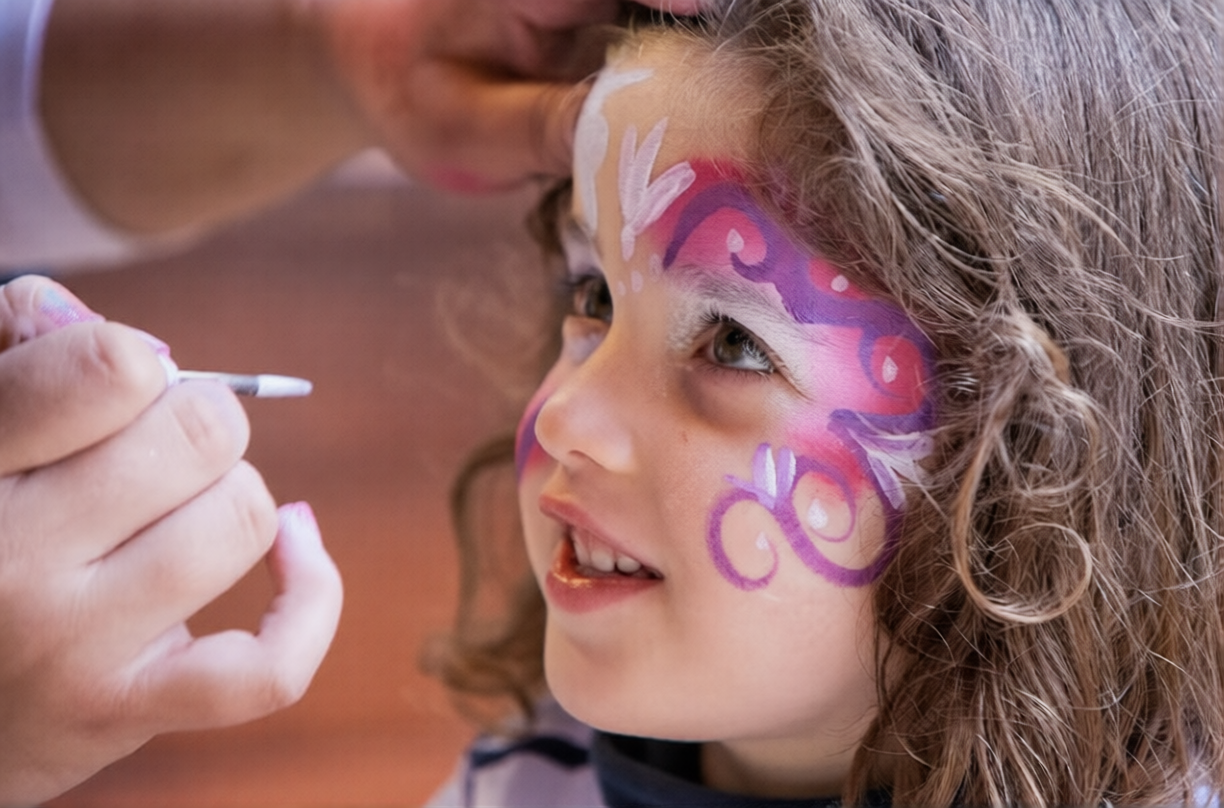
Face painting exists because it adds visual excitement and interaction to events. It helps create a festive environment, encourages creativity, and gives guests—especially children—a memorable experience. Unlike permanent cosmetic applications, party face paint is temporary and typically designed to be washed off easily with water and mild cleanser.
In contemporary event planning and digital content creation, party face paint also appears in social media campaigns, school activities, and influencer-driven celebration themes, making it part of broader event entertainment ideas.
Importance: Why Party Face Paint Matters Today
Party face paint remains popular because it serves multiple practical and creative purposes.
It enhances event engagement. Interactive activities such as kids face painting designs help reduce boredom during gatherings and keep participants actively involved. For event organizers, it supports structured entertainment planning without complex setup requirements.
It encourages creativity and self-expression. Children often choose designs that reflect their interests—animals, superheroes, flowers, or abstract art—supporting imagination and confidence. Adults at themed parties or festivals also use face paint to express identity and group belonging.
It supports digital visibility. In the era of social media marketing and visual storytelling, colorful face paint designs often appear in event photography, festival makeup trends, and online campaigns. This increases the visual appeal of celebrations and community events.
It aligns with safety-focused consumer awareness. Modern audiences pay attention to hypoallergenic face paint and skin-safe cosmetics. This awareness has increased demand for certified, dermatologically tested products, especially for children’s events.
It offers flexible event entertainment ideas. Face painting works for:
-
Birthday parties
-
School celebrations
-
Cultural festivals
-
Holiday events
-
Corporate family days
-
Community fairs
The activity requires minimal space and can be adapted to small home gatherings or large public festivals. Because of this flexibility, it continues to remain relevant in both personal and organized event planning.
Recent Updates: Trends and Changes
Over the past year, several noticeable trends have influenced party face paint and festival makeup trends.
Eco-friendly products have gained attention. Manufacturers have introduced water-based paints with biodegradable packaging and reduced synthetic additives. This shift reflects broader environmental awareness in the cosmetics and creative entertainment industries.
Glow and UV-reactive designs have become popular at night events. Neon pigments that react under blacklight are now common at music festivals and themed parties. These designs create high-impact visuals in low-light settings.
Minimalist and quick-design patterns are trending. Instead of full-face coverage, many events now prefer small symbols—stars, hearts, lightning bolts, or simple line art. These designs reduce application time and improve comfort.
Reusable stencils and digital inspiration boards are increasingly used. Event planners often prepare templates in advance using graphic design tools, making the process more efficient and organized.
In addition, social media platforms have influenced style preferences. Short video tutorials and step-by-step design demonstrations have helped parents and teachers learn safe application techniques at home.
Laws or Policies: Regulations and Safety Standards
Party face paint falls under cosmetic safety regulations in many countries. Although rules vary, most jurisdictions treat face paints as cosmetic products. This means they must comply with ingredient safety standards and labeling requirements.
Common regulatory considerations include:
-
Use of approved color additives
-
Restrictions on heavy metals and harmful chemicals
-
Clear ingredient labeling
-
Manufacturing hygiene standards
-
Age-appropriate safety warnings
In many regions, cosmetics must follow guidelines similar to those used for skin-safe cosmetics and theatrical makeup. Products marketed for children are often subject to additional scrutiny to ensure hypoallergenic performance.
Public event organizers may also need to follow local health and safety policies. These can include hygiene measures such as:
-
Using clean brushes and sponges
-
Avoiding shared applicators without sanitization
-
Conducting patch tests for sensitive skin
-
Ensuring proper ventilation in enclosed spaces
Schools and community institutions sometimes have internal safety guidelines regarding cosmetic use on minors. Reviewing these policies helps ensure compliance and reduces health risks.
Tools and Resources: Helpful Platforms and Supplies
Modern party face paint preparation benefits from both physical tools and digital resources.
Essential Physical Tools
| Tool | Purpose |
|---|---|
| Water-based face paints | Easy removal and skin safety |
| Fine detail brushes | Outlines and intricate designs |
| Sponges | Base color blending |
| Reusable stencils | Consistent shapes and patterns |
| Cosmetic-grade glitter | Decorative highlights |
| Gentle cleanser | Safe removal after event |
Digital Design Tools
-
Canva – Used to create printable design sheets or inspiration boards.
-
Adobe Illustrator – Helpful for creating scalable templates for themed events.
-
Pinterest – Provides visual inspiration for party face paint ideas and creative party activities.
-
YouTube – Offers step-by-step tutorials for beginners.
Planning and Organization Resources
-
Printable consent forms for school events
-
Skin sensitivity checklists
-
Event activity schedules
-
Hygiene tracking sheets
These resources support safer and more structured event management while maintaining creativity.
Common Design Categories
Below is a simplified overview of popular design categories:
| Category | Examples | Suitable For |
|---|---|---|
| Animal Designs | Butterfly, tiger, cat | Birthday parties |
| Fantasy Themes | Fairy, dragon, unicorn | Themed celebrations |
| Superhero Symbols | Lightning bolt, mask | Kids events |
| Seasonal Icons | Pumpkin, snowflake | Holiday gatherings |
| Abstract Art | Glitter lines, neon swirls | Festivals |
This table helps organizers quickly match design themes to event types.
FAQs
What type of face paint is safest for children?
Water-based, hypoallergenic face paint labeled as cosmetic-grade is generally recommended. Products should clearly list ingredients and avoid known irritants.
How long does party face paint usually last?
Most designs remain intact for several hours, depending on skin type, weather, and physical activity. Water-based paints typically wash off easily with mild soap and water.
Can adults participate in face painting activities?
Yes. Face painting is not limited to children. Many adults participate during festivals, themed parties, and corporate family events.
Is a patch test necessary?
A patch test is advisable, especially for individuals with sensitive skin. Apply a small amount to the inner arm and observe for any reaction before full application.
Are glitter and embellishments safe?
Only cosmetic-grade glitter should be used. Craft glitter is not designed for skin contact and may cause irritation.
Conclusion
Party face paint remains a creative and adaptable activity that enhances celebrations, festivals, and community events. Rooted in cultural traditions and modern entertainment practices, it supports self-expression, visual storytelling, and interactive engagement.
Recent trends show increased focus on eco-friendly materials, minimalist designs, and digital inspiration tools. At the same time, regulatory standards ensure that cosmetic safety remains a priority, particularly for children.
With proper hygiene practices, appropriate skin-safe cosmetics, and thoughtful planning, party face paint can contribute positively to both small gatherings and large public events. By combining creativity with safety awareness, organizers can create visually engaging experiences while maintaining compliance with cosmetic guidelines and health considerations.