Packaging Machinery Guide: Basics, Types of Packaging Systems, Working Processes, Key Components, and Industrial Insights
Packaging machinery refers to industrial machines designed to prepare, protect, and contain products for storage, transport, and distribution. These machines automate tasks such as filling, sealing, wrapping, labeling, and palletizing products. The concept of packaging machinery emerged as production volumes increased during industrial expansion, making manual packaging too slow and inconsistent for large-scale manufacturing.
Modern industries require efficient and standardized packaging processes to ensure that goods remain protected during handling and transportation. Packaging machinery exists to provide speed, accuracy, and repeatability, helping manufacturers package products efficiently while maintaining quality and hygiene standards.
These machines are widely used in sectors such as food processing, pharmaceuticals, consumer goods, logistics, electronics, and chemical manufacturing. Their role is not only to enclose products but also to maintain safety, traceability, and shelf stability throughout the supply chain.
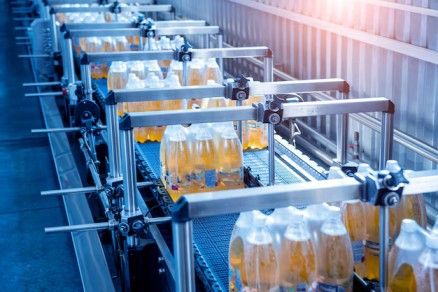
Importance: Why Packaging Machinery Matters Today
Packaging machinery plays a crucial role in modern production and distribution systems. As global manufacturing expands, efficient packaging solutions are essential for maintaining product quality and meeting market demands.
Why packaging machinery matters today:
-
Production efficiency: Automated packaging speeds up production lines and reduces manual handling
-
Product protection: Proper packaging prevents contamination, damage, or leakage
-
Consistency: Machines ensure uniform packaging dimensions and sealing quality
-
Supply chain compatibility: Standardized packaging supports transportation and storage
-
Workplace safety: Automation reduces repetitive manual tasks and handling risks
Packaging machinery affects manufacturers, logistics operators, product designers, safety inspectors, and distribution planners. It solves challenges related to high production volumes, packaging accuracy, product contamination, and supply chain reliability.
Recent Updates: Industry Trends and Developments (2024–2025)
Over the past year, packaging machinery technology has evolved in response to sustainability goals, automation demand, and supply chain efficiency.
| Year | Development or Trend | Industrial Impact |
|---|---|---|
| 2024 | Growth in fully automated packaging lines | Reduced manual intervention and improved efficiency |
| 2024 | Integration of smart sensors | Better monitoring of packaging accuracy and machine health |
| 2025 | Increased adoption of eco-friendly packaging compatibility | Support for recyclable and biodegradable materials |
| 2025 | Modular packaging equipment designs | Faster adaptation to different product sizes |
Manufacturers are also focusing on improving machine flexibility so that production lines can handle multiple product formats without extensive mechanical adjustments.
Laws, Policies, and Regulatory Influence
Packaging machinery is influenced by a variety of safety, environmental, and quality regulations depending on the country and industry sector.
Common regulatory frameworks include:
-
Food safety standards: Require hygienic packaging processes and contamination prevention
-
Pharmaceutical packaging regulations: Ensure traceability and tamper resistance
-
Environmental policies: Encourage recyclable materials and reduced packaging waste
-
Machinery safety regulations: Require protective guards, emergency stops, and operator safety systems
-
Product labeling rules: Ensure correct information appears on packaged goods
In many countries, regulatory agencies require manufacturers to maintain documented packaging procedures and equipment inspections to ensure compliance with consumer safety and environmental protection goals.
Tools and Resources for Understanding Packaging Machinery
Understanding packaging machinery and its applications can be supported by several practical tools and educational resources.
Helpful learning resources include:
-
Industrial manufacturing textbooks on packaging systems
-
Engineering handbooks covering automation and material handling
-
Technical journals focused on packaging technology
-
Training manuals for packaging machine operation
-
Government publications on packaging standards
Practical reference tools:
-
Packaging line layout planning templates
-
Production efficiency calculation charts
-
Material compatibility guides
-
Maintenance inspection checklists
These resources help engineers, technicians, and planners evaluate packaging solutions and improve operational efficiency.
Types of Packaging Systems
Packaging machinery is categorized based on the function it performs within a production line.
| Packaging System Type | Primary Function | Typical Applications |
|---|---|---|
| Filling machines | Dispense liquids, powders, or solids into containers | Food, beverages, chemicals |
| Sealing machines | Close containers or packages securely | Bottles, pouches, cartons |
| Wrapping machines | Cover products with protective material | Consumer goods, food |
| Labeling machines | Apply identification labels | Retail and logistics products |
| Palletizing machines | Arrange packaged products for shipping | Warehousing and distribution |
These systems often work together within integrated packaging lines.
Working Processes in Packaging Machinery
Packaging machinery operates through coordinated mechanical and control systems.
Typical process stages include:
-
Product feeding: Items are delivered to the packaging line
-
Filling or placement: Product is inserted into containers or packaging material
-
Sealing or closing: Packages are secured using heat, pressure, or mechanical methods
-
Labeling and coding: Identification information is added
-
Final arrangement: Packaged products are grouped or palletized for transport
Each stage is synchronized to maintain smooth workflow and prevent bottlenecks in production.
Key Components of Packaging Machinery
Packaging machines consist of several important mechanical and control components.
Common components include:
-
Conveyors for moving products through the line
-
Sensors for detecting product position and package alignment
-
Motors and drive systems for controlled movement
-
Control panels for monitoring and adjusting machine operations
-
Sealing or cutting units for closing packaging materials
Together, these components ensure reliable operation and consistent packaging results.
Frequently Asked Questions
What is the main function of packaging machinery?
Packaging machinery prepares products for storage and transportation by filling, sealing, labeling, and arranging packages.
Which industries use packaging machinery the most?
Food processing, pharmaceuticals, consumer goods, chemicals, and logistics industries rely heavily on packaging equipment.
How does automation improve packaging processes?
Automation increases speed, reduces manual errors, and maintains consistent packaging quality.
Why are packaging regulations important?
They ensure consumer safety, product traceability, and environmental responsibility.
Can packaging machines handle different product sizes?
Many modern machines are designed with adjustable components to accommodate multiple packaging formats.
Conclusion
Packaging machinery is an essential part of modern manufacturing and distribution systems. By automating tasks such as filling, sealing, labeling, and arranging products, these machines help industries maintain high production efficiency while protecting product quality.
As technology advances, packaging systems continue to become more flexible, intelligent, and environmentally responsible. Understanding the basics, types, processes, and regulations related to packaging machinery helps professionals and learners appreciate how these systems support reliable and efficient global supply chains.