Outdoor Dining Table Ideas to Elevate Your Open-Air Meals
Outdoor dining table ideas focus on creating functional eating spaces in open environments such as gardens, terraces, balconies, patios, and rooftops. These setups combine furniture design, weather-resistant materials, spatial planning, and lifestyle preferences to make outdoor meals comfortable and practical.
The concept has evolved alongside modern housing trends. As urban homes increasingly include balconies or shared outdoor areas, people are exploring ways to extend indoor living spaces into open air environments. Outdoor dining furniture is no longer limited to large backyards; compact folding tables, modular seating, and adaptable layouts now support smaller urban homes as well.
An outdoor dining table serves multiple roles beyond meals. It can function as a workspace, gathering area, or relaxation zone. Designers often consider factors such as sunlight exposure, airflow, durability, and maintenance requirements while planning outdoor furniture arrangements.
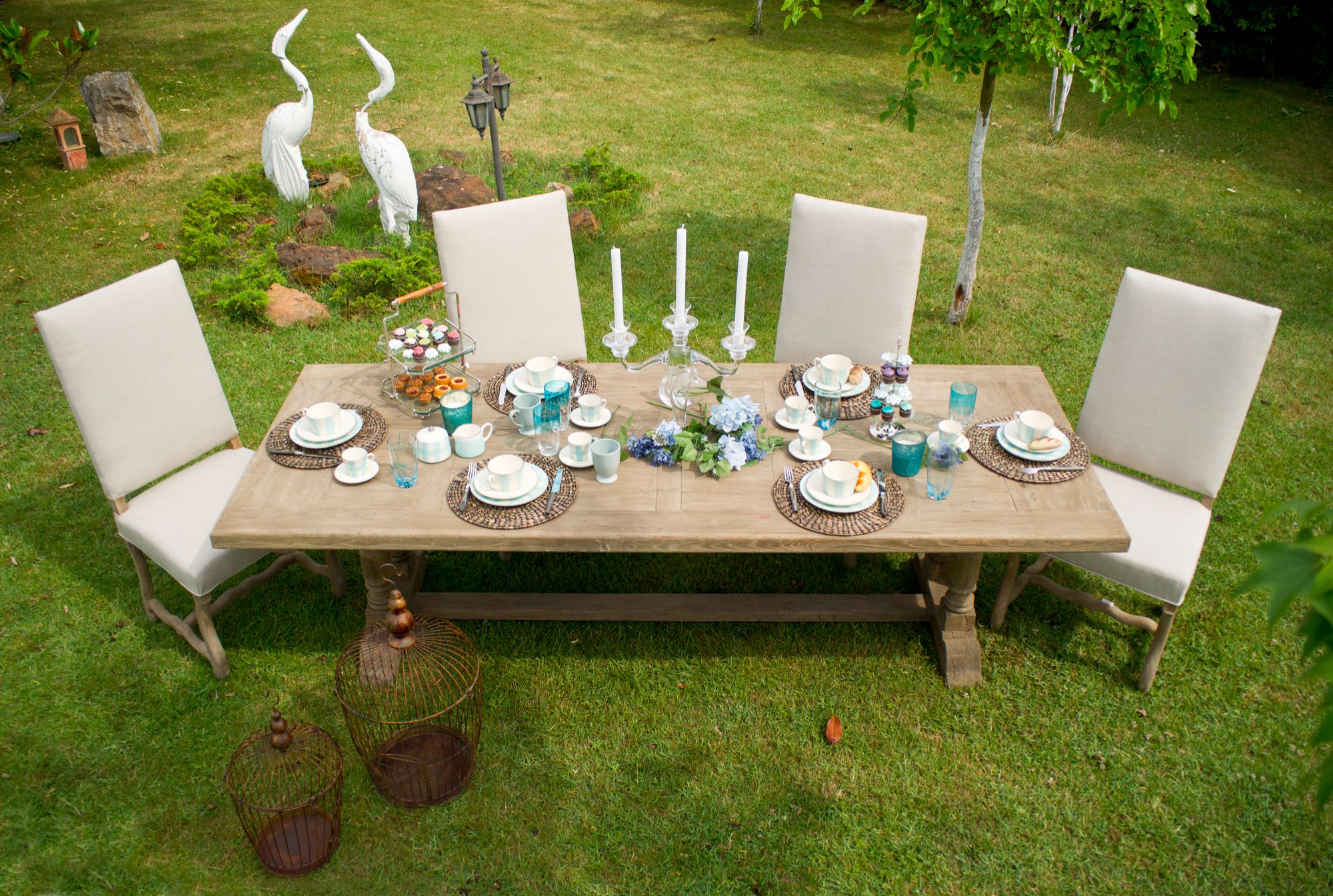
Common outdoor dining table styles include:
-
Minimalist metal or aluminum tables for contemporary spaces
-
Wooden farmhouse tables for natural aesthetics
-
Foldable balcony tables for compact apartments
-
Stone or concrete surfaces for long-term durability
-
Modular tables designed for flexible seating arrangements
The goal is to balance aesthetics with practicality while adapting to climate and available space.
Why Outdoor Dining Spaces Matter Today
Outdoor dining has gained relevance due to lifestyle changes, urban density, and increased awareness of wellness. Spending time outdoors is often associated with improved mood, social interaction, and relaxation, making open-air dining areas appealing for households and communities.
Several groups benefit from well-planned outdoor dining setups:
-
Families seeking shared meal experiences outside enclosed interiors
-
Remote workers using outdoor environments for flexible work routines
-
Apartment residents maximizing limited balcony space
-
Hospitality and community spaces encouraging safe social interaction
Outdoor dining tables also address practical challenges. Indoor spaces can feel restrictive during warmer months, while outdoor areas allow natural ventilation. In regions with tropical or semi-tropical climates, including many parts of India, shaded outdoor dining areas provide comfort without heavy reliance on indoor cooling systems.
Key problems these setups help solve include:
-
Limited indoor seating capacity
-
Need for multifunctional furniture layouts
-
Desire for healthier, nature-connected living environments
-
Better utilization of unused terraces or gardens
Well-planned outdoor dining areas can improve space efficiency while supporting modern lifestyle patterns.
Recent Design Trends and Updates
Outdoor furniture design has seen notable changes between 2024 and early 2026. Manufacturers and designers have focused on sustainability, durability, and flexible layouts aligned with contemporary living habits.
Material innovation (2025):
Recycled composite wood and powder-coated aluminum gained popularity during 2025 due to their resistance to humidity and sunlight. These materials require less maintenance compared to untreated wood.
Climate-adaptive furniture (2024–2026):
Furniture designed for extreme weather conditions has become more common. Heat-resistant finishes and UV-stable coatings help maintain structural integrity in regions with intense sunlight.
Multi-functional layouts (2025):
Expandable dining tables and stackable seating designs increased adoption in urban apartments where space efficiency is essential.
Biophilic design influence (2024 onward):
Designers increasingly integrate greenery with dining setups. Built-in planters, natural textures, and earth-tone finishes align with wellness-focused architecture trends.
Smart outdoor integration (2026 emerging trend):
Solar lighting integration and weather-monitoring accessories are being incorporated into outdoor environments, supporting energy-efficient outdoor living.
The table below compares trending outdoor dining table materials and their characteristics.
| Material Type | Durability | Maintenance Level | Climate Suitability | Design Style |
|---|---|---|---|---|
| Teak Wood | High | Moderate | Humid & warm climates | Natural, classic |
| Powder-Coated Aluminum | High | Low | All-weather | Modern |
| Concrete Composite | Very High | Low | Hot regions | Industrial |
| Synthetic Rattan | Medium | Low | Mild climates | Casual |
| Tempered Glass with Metal Frame | Medium | Moderate | Covered spaces | Contemporary |
These developments reflect growing interest in long-lasting and environmentally conscious outdoor furniture solutions.
Regulations and Policy Considerations
Outdoor dining arrangements can be influenced by local regulations, especially in urban environments. In India, housing societies, municipal guidelines, and building codes may affect how outdoor spaces are used.
Residential housing society rules:
Many apartment associations regulate balcony modifications, weight limits, and structural installations. Heavy stone tables or permanent fixtures may require approval.
Urban municipal guidelines:
Cities often enforce safety standards related to fire exits, drainage access, and structural load capacity on terraces. Furniture placement should not obstruct emergency pathways.
Environmental policies:
Government initiatives promoting sustainable materials and reduced plastic usage indirectly influence outdoor furniture choices. Eco-friendly materials align with national sustainability goals.
Rainwater management regulations:
Terrace furniture layouts must allow proper water flow to prevent drainage blockage, particularly during monsoon seasons.
Public dining spaces:
Restaurants or shared residential complexes must comply with hygiene and spacing guidelines issued by local authorities, especially after public health updates introduced between 2020 and 2024.
Understanding these policies helps ensure outdoor dining setups remain compliant and safe.
Helpful Tools and Planning Resources
Planning an outdoor dining area benefits from digital tools and structured design methods. These resources assist with measurements, layout planning, and environmental assessment.
Useful tools include:
-
Outdoor space layout planners for visualizing furniture placement
-
Sun path calculator apps to understand sunlight direction throughout the day
-
Weather forecasting applications for climate planning
-
Material durability comparison charts used by designers
-
3D home design software for terrace and garden visualization
-
Furniture dimension templates for accurate spacing
A simplified planning framework is shown below.
| Planning Step | Key Question | Suggested Action |
|---|---|---|
| Space Measurement | How much usable area exists? | Measure length, width, and walking clearance |
| Climate Analysis | Is the space exposed to rain or sun? | Choose weather-resistant materials |
| Seating Capacity | How many users regularly dine? | Select expandable or modular tables |
| Shade Planning | Is protection needed? | Consider pergolas, umbrellas, or natural shade |
| Maintenance Review | How often can cleaning occur? | Prefer low-maintenance finishes |
These structured approaches reduce design errors and improve long-term usability.
Frequently Asked Questions About Outdoor Dining Tables
1. What size outdoor dining table works best for small balconies?
Compact rectangular or foldable wall-mounted tables usually fit smaller spaces. Maintaining at least 60–75 cm of walking clearance helps preserve comfort and accessibility.
2. Which materials handle extreme sunlight effectively?
Powder-coated aluminum, treated teak, and concrete composite surfaces typically perform well under intense sunlight because they resist fading and structural warping.
3. How can outdoor dining areas remain usable during monsoon seasons?
Elevated furniture legs, quick-dry materials, and breathable covers help prevent moisture buildup. Proper drainage around the furniture area is also important.
4. Is permanent installation better than movable furniture?
Movable furniture offers flexibility and easier maintenance. Permanent fixtures may suit large terraces but require compliance with building guidelines.
5. How often should outdoor dining furniture be maintained?
Maintenance frequency depends on material exposure. Metal surfaces may need occasional cleaning, while natural wood benefits from periodic sealing or oiling to preserve longevity.
Conclusion
Outdoor dining table ideas reflect a broader shift toward flexible living environments that blend indoor comfort with outdoor openness. Whether placed in a garden, terrace, or balcony, these setups encourage social interaction, efficient space usage, and a stronger connection with natural surroundings.
Modern trends emphasize durability, sustainability, and adaptability, ensuring outdoor dining spaces remain functional across changing climates and housing styles. Awareness of local regulations and thoughtful planning further supports safe and long-lasting installations.
By combining suitable materials, practical layouts, and climate-responsive design strategies, outdoor dining areas can evolve into versatile extensions of everyday living spaces rather than occasional seasonal features.