Oil Expellers Guide: Overview, Facts, and Practical Knowledge
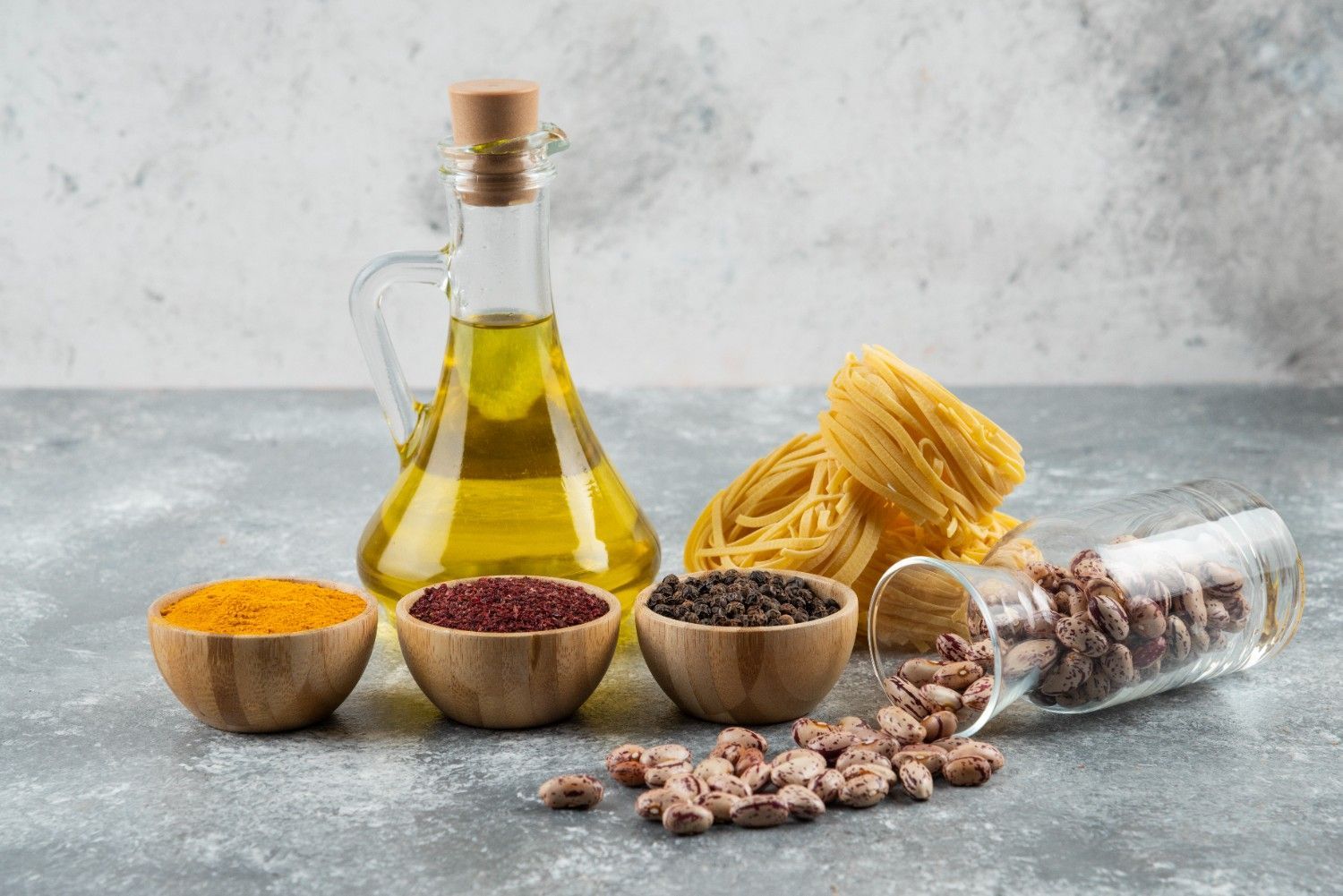
Oil expellers are mechanical machines designed to extract oil from oil-bearing seeds and nuts through pressure. Common raw materials include mustard, groundnut, sesame, sunflower, coconut, and soybean. Instead of relying on chemical solvents, oil expellers use rotating screws or shafts to compress seeds and release oil.
The concept of oil expelling exists to address the basic need for separating oil from plant-based sources in a controlled, repeatable manner. This method supports edible oil production, industrial oil processing, and traditional oil extraction practices. Oil expellers are used in small-scale setups as well as large industrial environments, depending on capacity and configuration.
From a technical perspective, an oil expeller functions through friction, pressure buildup, and gradual compression. As seeds move forward inside the chamber, oil seeps out through small openings while the remaining solid material exits as oil cake.
Importance: Why Oil Expellers Matter Today
Oil expellers play a crucial role in modern food processing and agricultural systems by enabling mechanical extraction of oils from seeds and nuts. They are widely used across small-scale, medium, and industrial operations.
Key reasons oil expellers are important:
-
Growing demand for edible oils
Support production of vegetable oils for daily consumption -
Solvent-free extraction
Provide chemical-free processing methods -
Consistent oil quality
Ensure purity and controlled extraction conditions -
Efficient use of by-products
Produce oil cake for agriculture and industrial use -
Scalability
Suitable for both local processing units and large industries
Who it impacts:
- Farmers adding value to oilseeds
- Food processors and manufacturers
- Agricultural supply chains
- Small-scale entrepreneurs
Oil expellers help solve challenges like inefficient seed usage, dependence on chemical extraction, and lack of decentralized processing facilities.
Recent Updates: Trends and Developments
Oil expeller technology has improved with a focus on efficiency, durability, and automation.
Key trends include:
-
Cold press systems
Lower temperature extraction to preserve oil quality -
Digital monitoring integration
Tracks pressure and temperature for better control -
Improved screw designs
Enhance oil yield and reduce heat generation -
Wear-resistant materials
Increase machine lifespan and reduce maintenance -
Modular construction
Simplifies repairs and part replacement -
Energy-efficient operation
Reduces power consumption during extraction
There is also increased research on seed pre-treatment methods, such as moisture conditioning, to improve oil extraction efficiency without affecting nutritional value.
Laws or Policies: Regulatory Influence
Oil expellers operate under food safety, machinery, and environmental regulations.
Key regulatory areas:
- Hygiene standards for edible oil production
- Safe operation of mechanical equipment
- Waste management for oil cake and residues
- Energy usage and emission guidelines
- Approved materials for food-contact surfaces
Government programs often promote mechanical oil extraction to support agricultural value addition and food processing development.
Tools and Resources: Supporting Operations
Various tools and resources help improve efficiency, quality, and understanding of oil expeller systems.
Technical resources:
- Oil extraction efficiency calculators
- Seed moisture charts
- Oil yield comparison tables
- Maintenance checklists
Digital tools:
- Production monitoring dashboards
- Energy tracking tools
- Equipment inspection logs
- Workflow templates
Educational resources:
- Technical manuals
- Research publications
- Training modules
- Industry safety guidelines
Oil Expeller Types and Applications
| Oil Expeller Type | Common Use Case | Key Feature |
|---|---|---|
| Cold Press Expeller | Edible oil extraction | Low-temperature processing |
| Rotary Expeller | Small-scale production | Simple mechanical design |
| Industrial Screw Expeller | High-volume processing | Continuous operation |
| Multi-seed Expeller | Diverse seed processing | Adjustable compression |
Oil Extraction Process Overview
- Cleaning and grading of oilseeds
- Moisture conditioning
- Mechanical pressing in expeller
- Separation of oil and oil cake
- Filtration and storage
This process highlights the simplicity and efficiency of mechanical oil extraction systems.
FAQs: Common Questions Answered
What is an oil expeller?
It is a machine that extracts oil from seeds using mechanical pressure without chemical solvents.
Is expeller oil suitable for consumption?
Yes, when processed under proper hygiene and temperature conditions.
What happens to leftover material?
The residue (oil cake) is used in agriculture or industrial applications.
Can one machine handle multiple seeds?
Yes, many expellers are designed for multi-seed processing with adjustable settings.
What affects oil quality?
Seed quality, temperature control, machine design, and filtration methods.
Conclusion
Oil expellers are a foundational technology in edible oil production and agricultural processing.
Their ability to provide solvent-free extraction, efficient resource utilization, and scalable production makes them highly relevant in modern food systems. With ongoing advancements in efficiency, automation, and sustainability, oil expellers continue to play a vital role in supporting both local and industrial oil processing needs.