New York City Art Districts Overview: History, Facts & Cultural Insights
New York City art districts are neighborhoods known for a high concentration of galleries, museums, artist studios, performance spaces, and public art. These districts developed over decades as artists, collectors, and cultural institutions gathered in specific areas to share creative work and ideas.
Well-known districts include New York City neighborhoods such as SoHo, Chelsea, Bushwick, and Harlem. Each area has a different history and artistic focus.
Art districts often begin in industrial or lower-rent areas where artists can find studio space. Over time, galleries, design studios, and cultural organizations move in. This clustering effect supports collaboration and strengthens the local creative economy.
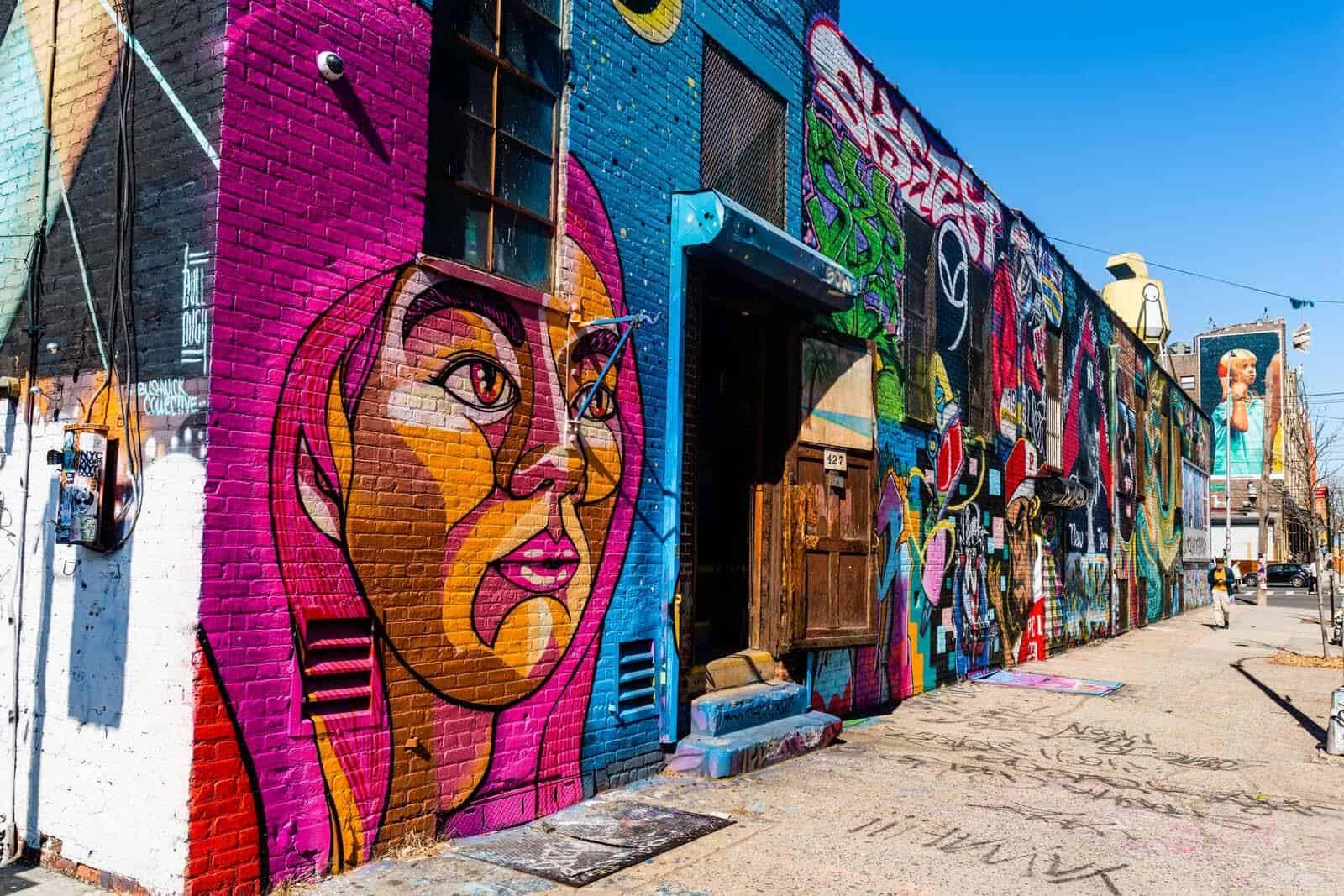
Historically, SoHo became known for its cast-iron buildings and artist lofts. Chelsea later grew into a major hub for contemporary art galleries. Bushwick is recognized for street art and large-scale murals. Harlem connects visual art with music, literature, and African American cultural history.
These districts exist because artists benefit from shared space, public visibility, and access to audiences. Cultural tourism and urban development planning also contribute to their growth.
Importance: Why Art Districts Matter Today
New York City art districts are important for cultural tourism, urban development, and the global contemporary art market.
They affect multiple groups:
-
Artists and curators
-
Cultural researchers and educators
-
Tourists and local visitors
-
Urban planners and policymakers
-
Investors and collectors studying art investment trends
Art districts contribute to the creative economy by generating foot traffic, supporting small businesses, and encouraging innovation. Galleries and museums often collaborate with schools and community groups, helping expand arts education.
From an urban planning perspective, art districts can transform underused neighborhoods. However, this growth can also raise questions about housing affordability and long-term sustainability. As property values rise, some artists relocate, and new districts emerge elsewhere in the city.
The following table highlights key characteristics of major districts:
| District | Primary Focus | Notable Feature | Cultural Role |
|---|---|---|---|
| SoHo | Early contemporary art scene | Cast-iron architecture | Historic gallery hub |
| Chelsea | Contemporary art galleries | Large warehouse spaces | Global art exhibitions |
| Bushwick | Street art and mural culture | Outdoor art installations | Public art programs |
| Harlem | Cultural heritage and visual arts | Community-based institutions | Cultural preservation |
Art districts also support digital art platforms and interdisciplinary projects. Many galleries now combine physical exhibitions with online viewing rooms, expanding access to international audiences.
For visitors, these neighborhoods offer a structured way to explore diverse artistic styles in one location. For researchers, they provide case studies in creative cluster development and cultural policy.
Recent Updates and Trends
In the past year, several trends have shaped New York City’s art districts.
Hybrid exhibitions have become more common. Many galleries in Chelsea and SoHo combine in-person shows with virtual tours and digital archives. This approach increases accessibility for global audiences.
Public art programs have expanded in Brooklyn neighborhoods, especially in Bushwick. Local mural initiatives continue to promote community engagement and neighborhood identity. These programs often involve partnerships between artists and local organizations.
Museum attendance patterns have shifted, with more emphasis on interactive installations and immersive experiences. Institutions such as Whitney Museum of American Art and Museum of Modern Art have featured exhibitions that blend digital media, video, and performance art.
There has also been growing interest in sustainable art practices. Galleries are reviewing shipping methods, exhibition materials, and energy use. Environmental themes appear more frequently in curated shows.
Another visible trend is the movement of smaller galleries from higher-rent areas to emerging neighborhoods. Parts of the Lower East Side and Brooklyn waterfront areas continue to attract independent spaces seeking lower overhead and new audiences.
The simplified chart below shows the relative focus of recent developments:
Public Art Expansion – High
Digital Exhibition Integration – High
Sustainability Initiatives – Moderate
Neighborhood Relocation Trends – Moderate
These changes reflect broader shifts in the creative economy and digital transformation.
Laws and Policies Influencing Art Districts
Art districts are shaped by zoning regulations, historic preservation rules, and cultural funding programs.
Zoning policies determine how buildings may be used. In earlier decades, zoning adjustments allowed artists to legally occupy industrial lofts in SoHo. Today, zoning laws influence gallery placement, building conversions, and mixed-use developments.
Historic preservation guidelines apply to areas with landmark status. For example, cast-iron buildings in SoHo are protected under preservation regulations. These policies aim to maintain architectural heritage while allowing cultural use.
Public art programs often operate through city cultural affairs departments. Grants and partnerships can support murals, installations, and community arts projects.
Noise regulations, event permits, and safety standards also affect exhibitions and performances. Galleries must comply with building codes and occupancy limits.
Urban development initiatives sometimes encourage arts-based revitalization. These programs may designate cultural corridors or creative districts to promote tourism and neighborhood identity.
Policies can both support and challenge art communities. While preservation laws protect historic spaces, rising property values may limit studio availability. As a result, policymakers often balance cultural preservation with housing and economic considerations.
Tools and Resources for Exploring and Studying Art Districts
Several tools and resources help visitors, researchers, and art enthusiasts understand New York City art districts.
Websites and Digital Platforms
-
Official museum websites for exhibition calendars
-
Online gallery directories listing current shows
-
Digital mapping tools highlighting cultural landmarks
Mobile Apps
-
Museum guide apps with audio tours
-
Interactive city maps for walking routes
-
Event listing platforms for gallery openings
Research Resources
-
Urban studies publications on creative economy models
-
Art market analytics platforms
-
Cultural tourism reports
Educational Tools
-
Virtual exhibition archives
-
Public art databases
-
Community arts organization newsletters
For structured visits, curated walking routes are often published by cultural institutions. These guides help visitors navigate multiple galleries within a few blocks, making art exploration efficient and organized.
Students researching urban development policy can use publicly available planning documents and cultural impact assessments to understand how art districts influence city growth.
FAQs About New York City Art Districts
What is the difference between SoHo and Chelsea as art districts?
SoHo is historically significant for its early artist loft movement and cast-iron buildings. Chelsea later became the center of large contemporary art galleries, often housed in converted warehouses.
Are art districts only for professional artists and collectors?
No. Art districts are open to the general public. Many galleries allow free entry, and public art installations can be viewed without admission. They also serve tourists, students, and researchers.
How do art districts influence the local economy?
They increase foot traffic, support hospitality businesses, and strengthen the creative economy. Cultural tourism plays a major role in neighborhood visibility and urban branding.
Why do galleries relocate to new neighborhoods?
Rising rents and changing zoning conditions can encourage galleries to move. Emerging areas may offer larger spaces and new audiences.
How are public murals regulated?
Murals typically require property owner consent and may involve city permits. Public art programs coordinate projects to ensure safety and community engagement.
Conclusion
New York City art districts reflect the dynamic relationship between creativity and urban development. From the historic lofts of SoHo to the contemporary galleries of Chelsea and the vibrant murals of Bushwick, these neighborhoods illustrate how art shapes city identity.
They matter because they support cultural tourism, strengthen the creative economy, and provide public access to contemporary art. At the same time, zoning policies, preservation rules, and urban planning decisions influence how these districts evolve.
Recent trends show greater integration of digital exhibition platforms, expanded public art programs, and renewed attention to sustainability. These changes highlight how art districts adapt to social and technological shifts.