Most Colorful Cities in the World: Explore Guide, Facts & Travel Insights
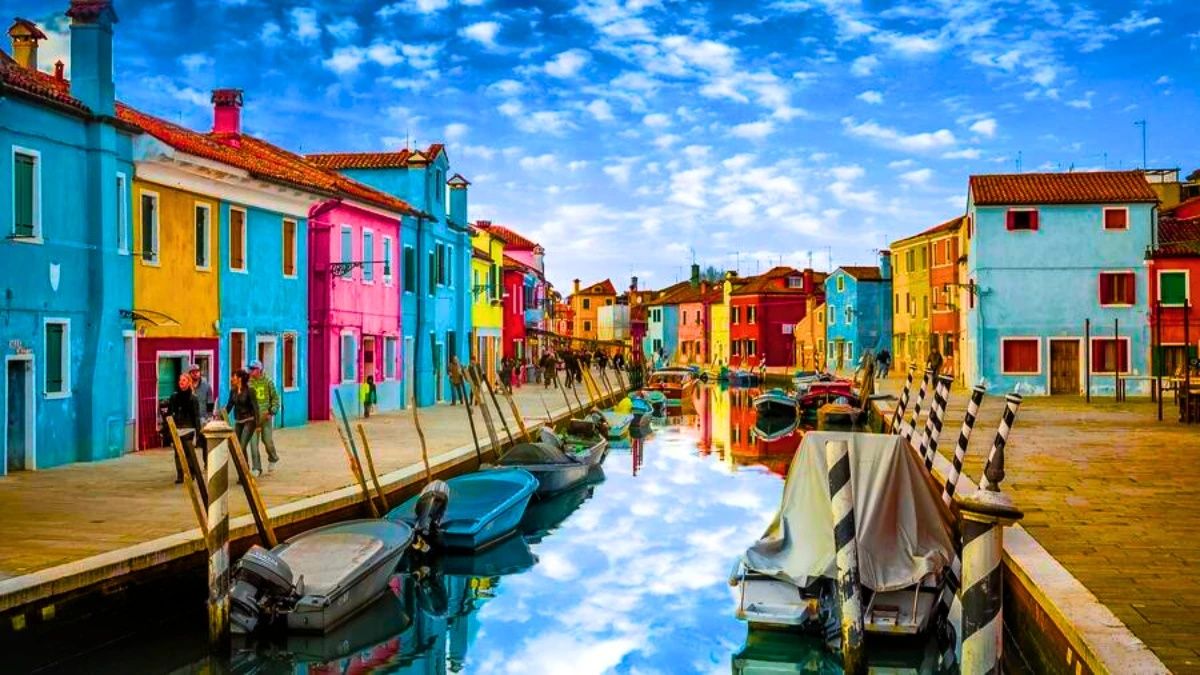
Colorful cities are urban spaces known for vibrant architecture, painted neighborhoods, artistic streets, and distinctive cultural identities. These cities stand out not only because of bright buildings but also because of history, geography, climate, and community traditions that influence their visual character.
In many places, color developed naturally. Coastal cities often used bright pigments to help fishermen identify homes from the sea. In mountainous regions, contrasting colors made buildings visible in fog or snow. In other cases, artistic movements, heritage conservation programs, or community-driven urban renewal projects transformed neighborhoods into creative landmarks.
Importance – Why Colorful Cities Matter Today
Colorful cities matter for cultural tourism insights, heritage conservation, and urban development trends. Their visual identity creates:
-
Strong cultural branding
-
Community pride and participation
-
Tourism-driven local economies
-
Photographic and media visibility
-
Architectural preservation awareness
Urban planners and policymakers increasingly study these cities to understand how aesthetics influence social cohesion and economic resilience.
From a sustainable tourism planning perspective, color-based heritage districts often attract visitors interested in:
-
Architecture and urban design
-
Cultural festivals and traditions
-
Local crafts and art
-
Walkable, human-scale neighborhoods
These cities also address modern urban challenges. In some cases, repainting initiatives have reduced neighborhood neglect and encouraged public-private collaboration. Creative urban renewal projects have turned previously under-maintained districts into culturally significant zones.
For researchers and travel content creators focusing on high CPC keywords such as global tourism data, cultural heritage management, urban planning strategies, and smart destination development, colorful cities provide valuable case studies.
Recent Updates – Trends and Developments
In recent months, several global trends have influenced how colorful cities are preserved and promoted.
Digital Mapping and Smart Tourism Tools
Many heritage districts have integrated digital walking tours and augmented reality features. Municipal tourism boards have introduced interactive maps and QR-based storytelling systems to reduce physical signage and improve visitor navigation.
Sustainable Paint and Restoration Materials
Environmental awareness has encouraged the use of eco-friendly pigments and traditional mineral-based paints. Conservation authorities in Europe and Latin America have revised façade restoration guidelines to align with climate-resilient urban policies.
Overtourism Management
Some cities have implemented visitor flow control systems, timed entry zones, and data-driven monitoring. These initiatives aim to protect local residents while preserving architectural heritage.
Cultural Festivals and Media Exposure
Social media platforms and travel documentaries continue to spotlight colorful neighborhoods. This has increased global awareness but also required updated infrastructure planning to manage foot traffic.
Urban analysts frequently reference colorful districts when discussing sustainable destination development, cultural tourism analytics, and smart city innovation strategies.
Laws or Policies – Governance and Heritage Protection
Colorful cities are often shaped by municipal heritage regulations and urban conservation policies.
Common policy approaches include:
-
Façade Color Guidelines: Local councils define approved color palettes to maintain architectural consistency.
-
Historic District Zoning: Building modifications require permits to preserve cultural integrity.
-
Cultural Heritage Protection Acts: National heritage agencies oversee restoration standards.
-
Tourism Management Frameworks: Visitor capacity limits and pedestrianization strategies protect fragile neighborhoods.
In some cases, entire city centers are designated as protected heritage zones. These protections encourage responsible development and prevent incompatible construction.
Public-private partnerships also play a role. Residents, local artists, and civic bodies collaborate to maintain painted streets and public art installations. Such governance models are frequently analyzed in urban planning research and global heritage management studies.
Tools and Resources – Helpful Platforms and Research Aids
Travelers, researchers, and content creators can use various digital tools to explore colorful cities responsibly and effectively.
Mapping and Navigation
-
Google Maps – For street-level exploration and walking routes
-
OpenStreetMap – Open-source mapping for detailed local data
Cultural Heritage Databases
-
UNESCO World Heritage List – Information on protected historic districts
-
National heritage portals – Official conservation guidelines
Travel Research Platforms
-
World Tourism Organization reports – Global tourism data and sustainable planning insights
-
City tourism board websites – Updated visitor advisories
Photography and Urban Study Tools
-
Light pollution maps for architectural photography
-
Climate data portals for seasonal planning
-
Public transport apps for low-impact travel
Below is a simplified comparison table of planning considerations:
| City Type | Main Attraction | Key Planning Focus |
|---|---|---|
| Coastal Painted Town | Bright canal houses | Flood resilience, repainting |
| Mountain Color City | Hillside architecture | Structural safety, zoning |
| Historic Pink City | Uniform façade palette | Heritage compliance monitoring |
| Blue Heritage Town | Cultural symbolism | Tourism flow regulation |
Urban planners often create visual trend charts to analyze visitor growth patterns. A simplified conceptual graph might look like this:
Visitor Interest Trend (Conceptual Representation)
Color-Based Heritage Tourism
High ────────────────
Medium ─────────
Low ───
This reflects the steady increase in interest in visually distinctive destinations.
FAQs – Common Questions About Colorful Cities
Why are some cities painted in one dominant color?
In many cases, historical events, religious symbolism, or royal directives influenced a uniform color scheme. Over time, this became part of the city’s identity.
Do residents have to follow specific color rules?
Yes, in protected heritage zones, building owners often must comply with approved color palettes and restoration guidelines.
Are colorful cities sustainable tourism models?
They can be, especially when local authorities implement visitor management systems, pedestrian zones, and eco-friendly restoration materials.
Do these cities change colors frequently?
Some cities maintain strict consistency, while others allow gradual changes within approved palettes. Climate and maintenance cycles also affect repainting frequency.
How can travelers explore responsibly?
Visitors are encouraged to respect local regulations, avoid blocking residential areas, follow designated routes, and support community-based cultural initiatives.
Conclusion
Colorful cities combine architecture, culture, history, and urban planning into visually distinctive environments. Their vibrant streets are not accidental; they are shaped by geography, tradition, governance, and community participation.
Today, these destinations serve as case studies in sustainable tourism planning, heritage conservation policies, and smart urban development strategies. As digital mapping, environmental awareness, and cultural tourism analytics continue to evolve, colorful cities remain valuable examples of how identity and design influence global travel patterns.