Modular Balcony Seating Systems: A Complete Guide, Tips & Design Insights
Modular balcony seating systems are flexible furniture arrangements designed specifically for balconies and compact outdoor areas. Unlike fixed benches or single chairs, modular systems consist of separate units—such as corner seats, straight benches, ottomans, or storage modules—that can be arranged in multiple configurations.
These systems exist because urban housing increasingly features limited outdoor space. In many apartment buildings and residential complexes, balconies serve as the only private open-air area available. Traditional outdoor furniture often does not fit well in narrow or irregularly shaped balconies. Modular solutions address this limitation by allowing homeowners and tenants to adjust layouts according to available space.
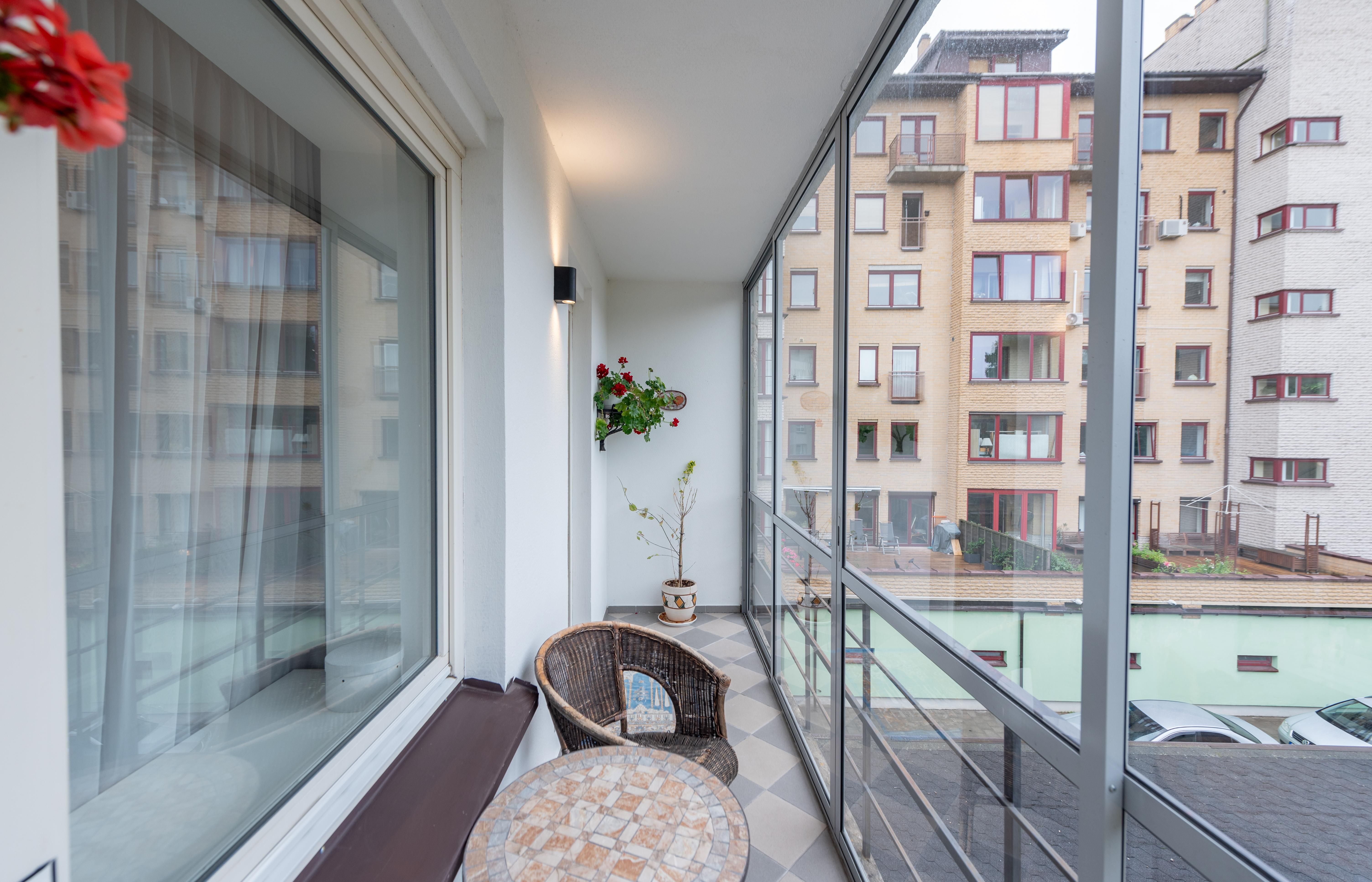
The concept is similar to modular interior furniture used in living rooms. However, balcony systems are designed with weather-resistant materials, lightweight frames, and compact proportions. They often include:
-
Stackable or detachable units
-
Built-in storage compartments
-
Foldable tables
-
Cushions made from moisture-resistant fabrics
-
Non-corrosive metal or treated wood frames
The goal is outdoor space optimization without compromising comfort or safety.
Importance: Why Modular Balcony Seating Matters Today
Urban living trends have increased the demand for functional outdoor environments. Apartments in high-density cities often provide small balconies ranging from 3 to 15 square meters. Making these areas usable improves overall living quality.
Modular balcony seating systems matter because they help solve several common challenges:
Space Constraints
Compact balcony layout planning allows residents to create seating for multiple people without overcrowding. Flexible modules can be rearranged for reading, dining, or relaxing.
Multi-Use Design
Balconies are no longer used only for drying clothes or storing items. They now function as mini gardens, work-from-home zones, or quiet retreats. Modular systems support changing needs.
Climate Adaptation
Weather-resistant outdoor furniture materials—such as powder-coated aluminum, synthetic rattan, and treated hardwood—reduce damage from humidity and sunlight.
Improved Property Value Perception
Well-designed balcony furniture design ideas can improve how a property is perceived in listings and digital tours. Outdoor styling contributes to modern home improvement planning strategies.
Mental Well-Being
Access to comfortable outdoor seating encourages fresh air exposure and relaxation. Small outdoor zones can positively affect daily routines, especially in high-rise environments.
The rise of sustainable outdoor materials also reflects environmental awareness. Recycled plastics, bamboo composites, and responsibly sourced wood are increasingly used in modular designs.
Recent Updates and Design Trends
Recent design developments show several noticeable trends in modular balcony seating systems.
Sustainable Materials
Manufacturers are focusing on eco-conscious materials, including recycled polyethylene and FSC-certified wood. Sustainability reporting in the furniture industry has increased transparency in sourcing practices.
Integrated Storage
Newer designs emphasize hidden storage compartments within seating bases. This reduces clutter and supports organized small-space living.
Smart Features
Some modular units now include integrated LED lighting, solar-powered elements, or concealed charging ports. These additions reflect broader smart home integration trends.
Lightweight Engineering
Aluminum frames and weather-treated composites reduce weight, making modules easier to reposition without tools.
Minimalist Aesthetic
Neutral tones such as beige, charcoal, and muted greens are dominating outdoor design palettes. Clean lines and low-profile seating help balconies appear more spacious.
There has also been increased awareness about balcony load capacity. Property management advisories and building guidelines now emphasize checking weight limits before installing heavy planters or furniture sets.
Laws or Policies Affecting Balcony Seating
Balcony seating systems are influenced by building regulations and safety standards in many regions. While rules differ by location, several common considerations apply.
Structural Load Limits
Balconies are designed to support a specific weight per square meter. Overloading with heavy modular units, large planters, or stone features may exceed allowable limits. Building codes typically define these structural thresholds.
Fire Safety Regulations
Furniture placement must not block emergency exits. In some residential complexes, regulations restrict flammable materials or open flames on balconies.
Building Association Guidelines
Apartment associations or housing societies often provide design rules regarding balcony modifications. Visible structural alterations or permanent installations may require approval.
Railing Height and Safety Standards
Local construction codes typically specify minimum railing heights and gap spacing to prevent falls. Modular seating should not create climbable structures near edges, especially in homes with children.
Environmental Policies
Sustainability certifications and environmental building codes increasingly influence furniture material choices. Green building programs may encourage eco-friendly outdoor materials.
It is advisable to review residential association guidelines and building safety documentation before installing modular balcony seating systems.
Tools and Resources for Planning
Planning modular balcony seating involves measuring, layout testing, and material selection. Several digital and practical tools can assist with outdoor space optimization.
Online Layout Planners
-
RoomSketcher
-
SketchUp Free
-
Planner 5D
These tools allow users to create scaled balcony layouts and test modular configurations virtually.
Measurement Tools
-
Laser distance measurers
-
Digital level tools
-
Weight estimation calculators
Material Research Resources
-
FSC certification directory
-
LEED building guidelines
-
Environmental product declaration databases
Weather Planning Tools
-
Regional climate data portals
-
UV index tracking apps
Design Inspiration Platforms
-
Pinterest
-
Houzz
-
Architectural Digest
Maintenance Guides
-
Manufacturer care manuals
-
Outdoor furniture cleaning guides
-
Waterproofing treatment references
Below is a simplified comparison table of common modular balcony materials:
| Material Type | Durability Level | Maintenance Need | Weather Resistance | Sustainability Rating |
|---|---|---|---|---|
| Powder-Coated Aluminum | High | Low | Excellent | Medium |
| Treated Hardwood | High | Medium | Good | High (if certified) |
| Synthetic Rattan | Medium-High | Low | Good | Medium |
| Recycled Plastic | High | Low | Excellent | High |
This table helps evaluate performance factors before selecting components.
Frequently Asked Questions
What is the ideal layout for a small balcony?
An L-shaped modular configuration often maximizes corner space. Keeping one side open ensures movement flow. Measuring exact dimensions before arranging units is essential.
How do I ensure balcony safety with modular seating?
Check the balcony’s load capacity, avoid blocking drainage systems, and ensure seating is not positioned directly against railings where it could create climbing risks.
Which materials work best in humid climates?
Powder-coated aluminum and recycled plastic perform well in high-humidity environments. Cushions should use quick-dry foam and water-resistant covers.
Can modular seating include storage?
Yes, many systems include lift-up seats with internal compartments. This supports compact balcony layout planning by reducing visible clutter.
Do modular systems require permanent installation?
Most systems are freestanding and do not require drilling. However, verifying stability on uneven surfaces is recommended.
Visual Example: Space Efficiency Comparison
Below is a simple conceptual comparison of seating arrangements in a narrow balcony (not to scale):
| Layout Type | Seats Available | Walking Space | Flexibility Level |
|---|---|---|---|
| Single Chairs | 2 | Medium | Low |
| Fixed Bench | 3 | Low | Low |
| Modular L-Shape | 4 | Medium | High |
| Modular Segments | 3–5 | Adjustable | Very High |
This illustrates how modular systems increase flexibility compared to fixed arrangements.
Conclusion
Modular balcony seating systems represent a practical response to modern urban living. They address limited space, changing lifestyle needs, and increasing interest in outdoor comfort. Through adaptable layouts, weather-resistant materials, and sustainable design approaches, these systems support efficient outdoor space optimization.
Recent design updates emphasize lightweight construction, integrated storage, and environmentally responsible materials. At the same time, safety standards and building regulations continue to shape how balconies can be furnished.
By combining accurate measurement, digital planning tools, and knowledge of safety guidelines, homeowners and residents can create functional and visually balanced balcony environments. Modular solutions demonstrate how thoughtful design can transform even small outdoor spaces into adaptable, comfortable extensions of the home.