Modern Home Interior Design: An Informative Guide to Styles, Basics, and Design Insights
Modern home interior design refers to a design approach focused on simplicity, functionality, and visual balance within living spaces. It emphasizes clean lines, uncluttered environments, and thoughtful use of materials, lighting, and color palettes. This style emerged as architecture and living patterns began shifting toward efficiency, comfort, and minimal visual distraction.
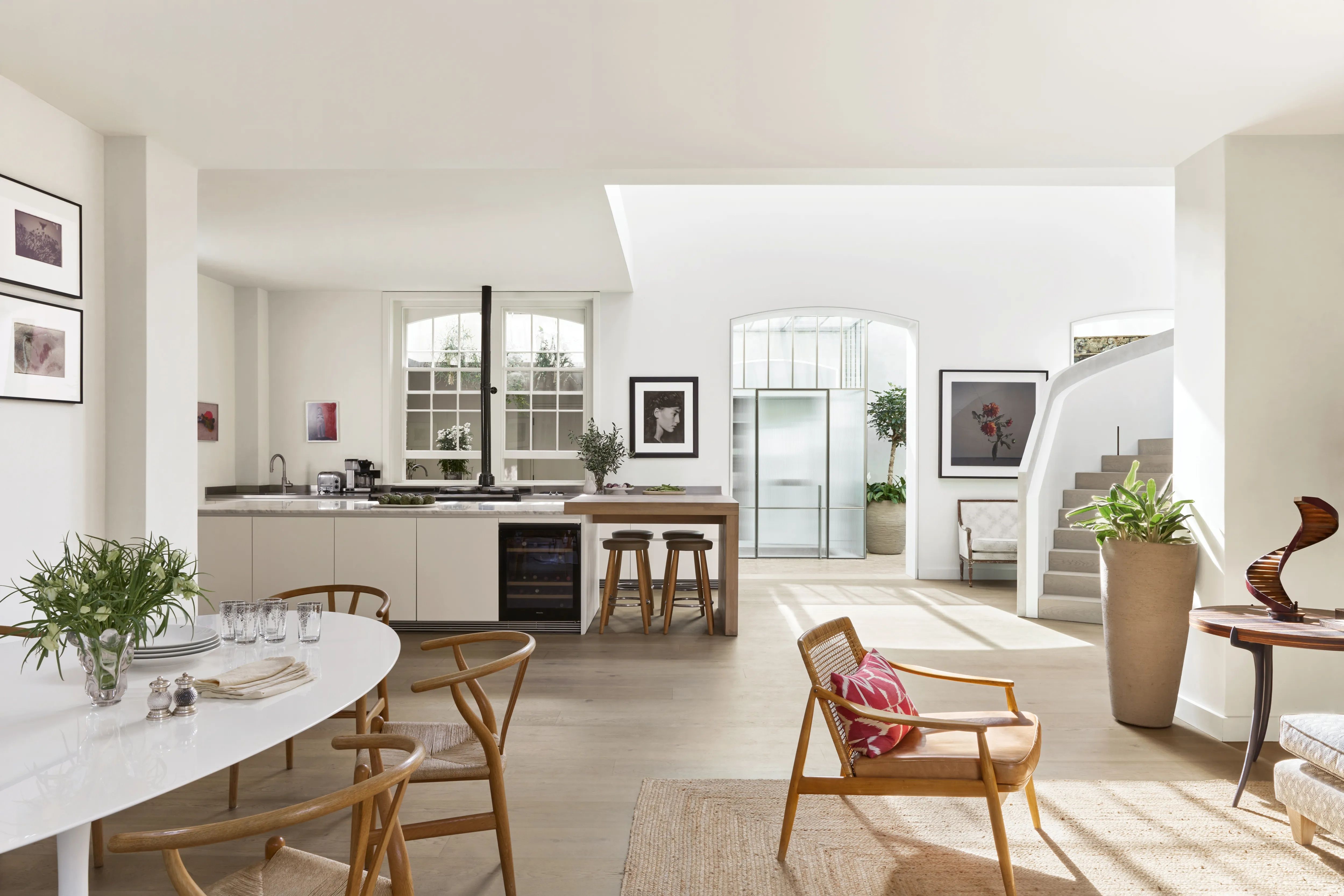
At its core, modern interior design prioritizes practicality while maintaining aesthetic harmony. Rooms are organized to maximize space usage, natural light, and movement flow. Furniture pieces often feature streamlined shapes, neutral tones, and multi-functional uses.
Understanding Modern Home Interior Design
Modern home interior design focuses on simplicity, functionality, and clean aesthetics. It emphasizes organized spaces, efficient layouts, and minimal decorative clutter while maintaining comfort and usability.
Several design styles fall under the broader modern category, each with unique characteristics:
Common Modern Interior Styles
| Style Type | Key Characteristics | Typical Elements |
|---|---|---|
| Minimalist | Clean, clutter-free spaces | Neutral colors, open layouts |
| Scandinavian | Warm simplicity with natural textures | Wood accents, soft lighting |
| Contemporary | Trend-driven and evolving | Mixed materials, bold accents |
| Industrial | Raw, unfinished look | Metal, exposed structures |
Modern interior design has evolved alongside changing lifestyles. As homes become more compact and technology becomes integrated into daily life, design approaches increasingly prioritize efficiency, adaptability, and comfort.
Why Modern Interior Design Matters Today
Interior design directly influences how people experience their living environments. A well-designed space can improve productivity, relaxation, and overall well-being.
Key reasons modern design is important:
1. Space optimization
Modern homes, especially apartments, often have limited space. Design solutions such as modular furniture, storage systems, and flexible layouts help maximize usability.
2. Mental clarity and comfort
Cluttered environments can increase stress and reduce focus. Modern interiors reduce visual noise through simple layouts and organized spaces.
3. Energy efficiency and sustainability
Modern design supports environmentally conscious living through:
- Natural lighting strategies
- Energy-efficient lighting fixtures
- Sustainable materials like bamboo or reclaimed wood
- Ventilation-friendly layouts
Core Design Priorities
| Design Priority | Purpose |
|---|---|
| Functionality | Improve everyday usability |
| Space Efficiency | Optimize small areas |
| Natural Lighting | Enhance comfort and reduce energy use |
| Sustainability | Reduce environmental impact |
| Smart Integration | Improve convenience |
These principles make modern interior design relevant for homeowners, renters, and architects alike.
Emerging Trends and Developments
Interior design continues to evolve with technology and lifestyle changes. Several recent trends are shaping modern home interiors.
Biophilic Design
This approach integrates natural elements into indoor spaces:
- Indoor plants
- Wooden textures
- Natural stone finishes
- Large windows for outdoor views
Smart Home Integration
Modern interiors increasingly include:
- Voice-controlled lighting
- Automated curtains or blinds
- Smart thermostats
- Integrated home office setups
Warm Minimalism
Unlike traditional minimalism, this trend introduces:
- Warm neutral tones
- Soft fabrics like linen
- Textured materials
- Comfortable, inviting aesthetics
Popular Color Palettes
| Color Theme | Common Pairings |
|---|---|
| Warm beige & cream | Wood textures |
| Soft gray & charcoal | Matte black accents |
| Earth tones | Stone and ceramics |
| Olive green | Natural fiber textiles |
Hybrid Spaces
Modern homes often feature multi-functional areas, such as:
- Living rooms doubling as workspaces
- Dining areas used for collaboration or study
- Flexible layouts that adapt to different activities
These trends reflect how homes are becoming more adaptable and personalized.
Role of Building Standards and Policies
Interior design is influenced by building regulations and safety standards that ensure functionality and occupant safety.
Common requirements include:
- Proper ventilation and airflow
- Minimum room dimensions
- Electrical safety standards
- Fire safety measures
- Accessibility guidelines
Accessibility-focused features:
- Wider doorways
- Step-free access
- Ergonomic layouts
- Adjustable lighting systems
Energy efficiency policies also encourage better lighting, insulation, and sustainable material usage, influencing interior layouts.
Tools and Resources for Interior Design
Digital tools have made it easier to plan and visualize interior spaces before implementation.
Common design tools:
| Tool Category | Purpose | Examples |
|---|---|---|
| 3D Room Planners | Visualize layouts | Planner 5D, Roomstyler |
| Color Tools | Test color schemes | Coolors, Adobe Color |
| Mood Boards | Organize ideas | Pinterest, Milanote |
| Floor Plan Creators | Map layouts | Floorplanner |
| Lighting Calculators | Plan illumination | Lighting tools |
These tools help users experiment with layouts, colors, and furniture placement effectively.
Frequently Asked Questions
What defines modern interior design?
Modern design focuses on simplicity, clean lines, and functionality. It uses neutral colors, open spaces, and minimal decoration to create balanced environments.
How is modern different from contemporary design?
Modern design follows a consistent philosophy of minimalism and simplicity, while contemporary design reflects current trends and may change over time.
What materials are commonly used?
Common materials include wood, metal, glass, stone, and natural fabrics. These materials provide durability and visual balance.
How important is lighting in interior design?
Lighting is crucial. Natural light improves comfort, while layered lighting (ambient, task, accent) enhances functionality and atmosphere.
Is modern design suitable for small homes?
Yes. It is especially effective for small spaces due to its focus on efficiency, minimal clutter, and multi-functional design solutions.
Conclusion
Modern home interior design reflects the evolving relationship between lifestyle, technology, and space. By focusing on simplicity, efficiency, and thoughtful material selection, it creates environments that are both practical and visually appealing.
The growing emphasis on sustainability, smart technology, and flexible layouts shows how interior design continues to adapt to modern living needs. Digital tools and planning resources further empower individuals to explore and implement design ideas effectively.