Mining Haul Trucks Overview: Basics, Facts, and Key Information
Mining haul trucks are large, heavy-duty vehicles designed to transport massive volumes of mined material such as ore, coal, and overburden within mining sites. These trucks operate primarily in open-pit and surface mining environments where standard transportation vehicles are not suitable due to extreme loads, rough terrain, and continuous operation requirements.
The development of mining haul trucks exists to support large-scale mineral extraction. As mining operations expanded in size and depth, traditional hauling methods became inefficient. Haul trucks were introduced to improve material movement efficiency, reduce manual labor, and maintain consistent production flow across mining operations.
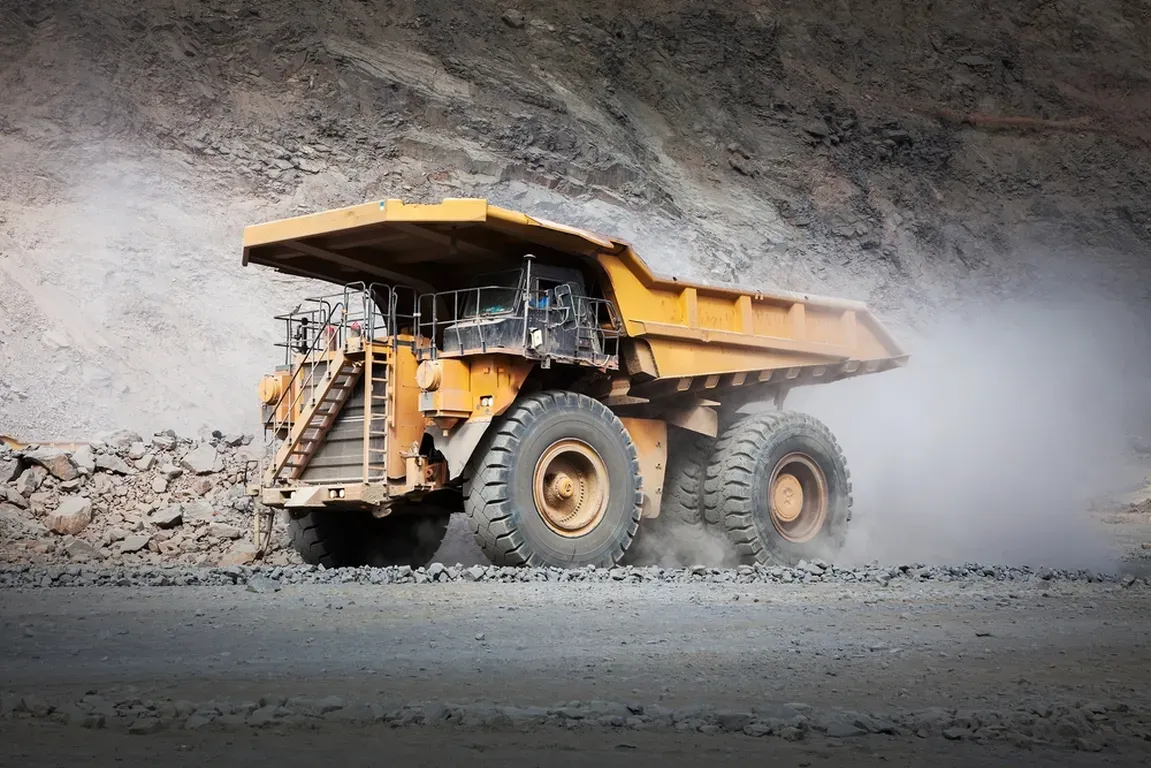
These vehicles are engineered for durability, high payload capacity, and long operational life. Their design prioritizes stability, traction, braking performance, and safety in challenging environments such as steep gradients, loose surfaces, and extreme weather conditions.
Importance: Why Mining Haul Trucks Matter
Mining haul trucks play a central role in modern mining operations. They directly influence productivity, operational planning, and site safety. Without efficient hauling systems, extracted material cannot move from excavation zones to processing or disposal areas.
Key reasons this topic matters today include:
-
Operational efficiency: Faster and more reliable material transport supports continuous mining cycles.Worker safety: Advanced braking systems, stability controls, and monitoring tools reduce accident risks.
-
Infrastructure impact: These trucks shape mine road design, traffic management, and site layout.
-
Environmental management: Efficient hauling reduces idle time, fuel consumption, and emissions per ton moved.
-
Economic relevance: Mining productivity affects supply chains linked to construction, manufacturing, and energy sectors.
Mining haul trucks affect mine planners, equipment engineers, safety managers, environmental analysts, and policymakers who oversee industrial operations. They help solve challenges related to large-volume material handling, time constraints, and operational consistency in demanding environments.
Recent Updates: Trends and Developments
In recent periods, mining haul truck technology has continued to evolve. Several notable trends have emerged across the mining equipment sector:
-
Automation and autonomous hauling: Increased adoption of driverless haul trucks to improve consistency and reduce human error.
-
Fleet monitoring systems: Advanced telematics and data analytics platforms now track performance, fuel use, tire health, and maintenance indicators.
-
Alternative power research: Growing interest in electric, hybrid, and hydrogen-powered haul trucks to reduce emissions.
-
Safety enhancements: Improved collision avoidance systems, fatigue monitoring, and real-time location tracking.
-
Digital mine integration: Haul trucks are increasingly connected with dispatch software and mine planning tools for optimized routing.
These updates reflect a broader industry shift toward digital transformation, sustainability, and risk reduction while maintaining high productivity levels.
Laws or Policies: Regulatory Influence on Haul Truck Operations
Mining haul trucks operate under various industrial, safety, and environmental regulations. These rules do not focus on individual vehicles alone but cover the broader mining ecosystem.
Common regulatory areas affecting haul trucks include:
-
Occupational safety standards: Guidelines for vehicle operation, visibility, braking systems, and operator training.
-
Environmental compliance: Emission controls, noise limits, and fuel handling requirements.
-
Infrastructure regulations: Load limits, road design standards, and traffic management within mining zones.
-
Data and reporting requirements: Monitoring of operational data, incidents, and maintenance records.
-
Sustainability programs: Policies encouraging reduced emissions, energy efficiency, and responsible mining practices.
These frameworks aim to protect workers, surrounding communities, and the environment while supporting responsible industrial activity.
Tools and Resources: Helpful References and Systems
Several tools and resources support understanding and managing mining haul truck operations:
Technical and Planning Tools
-
Haulage simulation software
-
Mine fleet management systems
-
Payload optimization calculators
-
Tire performance monitoring platforms
Safety and Monitoring Resources
-
Collision avoidance systems
-
Fatigue detection technologies
-
Real-time GPS tracking dashboards
Educational and Knowledge Resources
-
Mining engineering handbooks
-
Equipment manufacturer technical documentation
-
Industry research publications
-
Mining safety training platforms
Data and Analytics Platforms
-
Predictive maintenance tools
-
Fuel efficiency analysis software
-
Equipment lifecycle tracking systems
These resources help mining professionals improve planning accuracy, operational efficiency, and compliance with safety standards.
Key Specifications Comparison Table
| Feature Area | Typical Characteristics |
|---|---|
| Payload Capacity | Extremely high, designed for bulk material |
| Drive System | Mechanical or electric drive |
| Tire Size | Among the largest industrial tires used |
| Operating Environment | Open-pit and surface mines |
| Primary Function | Material transport within mine sites |
Operational Performance Factors Table
| Factor | Impact on Operations |
|---|---|
| Road Conditions | Affects speed, tire wear, and safety |
| Payload Accuracy | Influences efficiency and fuel use |
| Maintenance Quality | Determines uptime and reliability |
| Operator Systems | Supports safety and productivity |
| Environmental Conditions | Impacts performance and durability |
Frequently Asked Questions
What materials do mining haul trucks typically carry?
Mining haul trucks transport materials such as ore, coal, waste rock, and overburden within mining sites.
How are mining haul trucks different from regular trucks?
They are significantly larger, built for extreme loads, and designed to operate continuously on rough terrain rather than public roads.
Are mining haul trucks manually operated?
Some are manually operated, while others use autonomous or semi-autonomous systems depending on site requirements.
What makes haul truck safety critical in mining?
Their size, weight, and operating environment increase risks, making advanced safety systems and strict procedures essential.
How do haul trucks support sustainable mining practices?
Efficiency improvements, reduced idle time, and alternative power research help lower emissions and environmental impact.
Conclusion
Mining haul trucks are a foundational component of large-scale mining operations. They exist to address the complex challenge of moving vast quantities of material efficiently, safely, and consistently in demanding environments. Their importance extends beyond mining sites, influencing industrial supply chains, safety standards, and environmental strategies.
Ongoing advancements in automation, digital monitoring, and energy efficiency continue to reshape how these vehicles are designed and operated. Supported by regulatory frameworks and specialized tools, mining haul trucks remain essential to responsible and productive resource extraction.