Minimalist Fashion Trends Explained: Learn Basics, Knowledge, and Style Advice
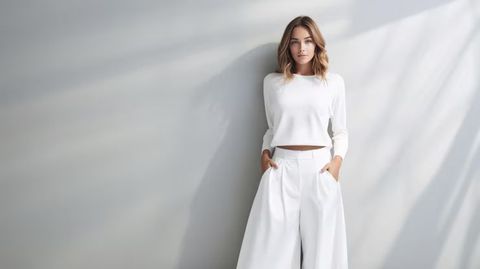
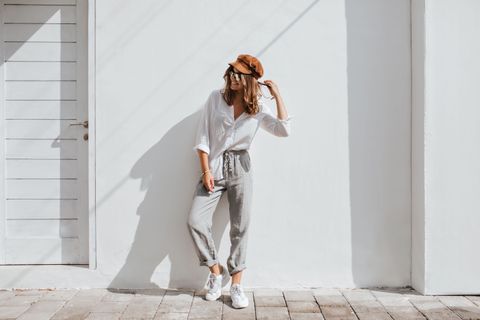
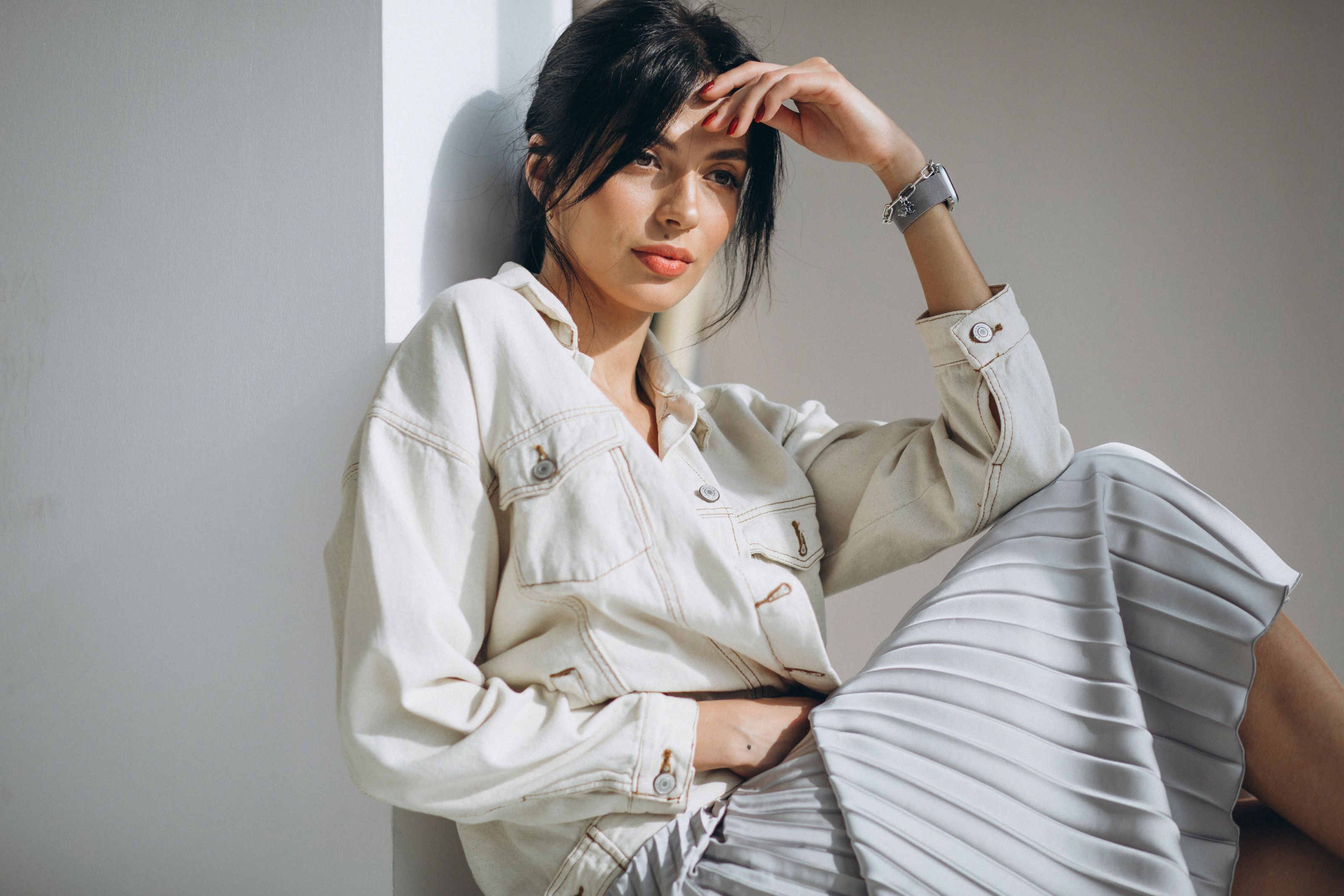
Minimalist fashion is a style approach that focuses on simplicity, functionality, and intentional design. It emphasizes clean lines, neutral colors, limited patterns, and well-constructed garments that can be worn across different settings. Instead of following every seasonal trend, minimalist fashion values timeless pieces that remain relevant over many years.
The concept developed as a response to excess. Over time, the fashion industry became known for rapid trend cycles and overflowing wardrobes. Minimalism emerged as an alternative way to think about clothing, encouraging people to choose fewer items while paying closer attention to quality, fit, and versatility.
At its core, minimalist fashion is not about restriction. It is about clarity. By reducing visual noise and unnecessary detail, it allows personal style to feel calmer and more intentional. This writing article explains the foundations of minimalist fashion and how it continues to evolve in modern wardrobes.
Importance: Why Minimalist Fashion Matters Today
Minimalist fashion matters because it addresses several modern challenges related to lifestyle, consumption, and decision-making. In a fast-paced world, clothing choices can become overwhelming. Minimalism simplifies these choices.
Key reasons this topic is relevant today include:
-
Growing awareness of environmental impact from clothing production
-
Increased interest in intentional living and reduced clutter
-
The need for adaptable wardrobes that work across work, casual, and social settings
-
Desire for long-term value rather than short-lived trends
Minimalist fashion affects a wide audience. Students, professionals, creatives, and families all engage with it differently, but the underlying idea remains the same: make thoughtful choices. By focusing on versatile pieces, people can reduce daily decision fatigue and better understand their personal style preferences.
Problems minimalist fashion helps address include:
-
Overcrowded wardrobes with rarely worn items
-
Difficulty coordinating outfits
-
Constant pressure to keep up with changing trends
This approach aligns well with modern lifestyles that prioritize flexibility, clarity, and efficiency.
Recent Updates: Changes and Trends in the Past Year
Over the past year, minimalist fashion has continued to evolve rather than remain static. In 2025, the trend has shifted toward “soft minimalism,” which blends classic simplicity with subtle texture and comfort.
Notable updates include:
-
Early 2025: Neutral palettes expanded beyond black, white, and beige to include muted greens, warm browns, and soft gray-blue tones
-
Mid-2024 to 2025: Increased focus on relaxed tailoring, such as looser trousers and unstructured jackets
-
Late 2024: Greater emphasis on capsule wardrobes adapted for hybrid work and daily life
Another key change is the balance between minimalism and individuality. Instead of uniform looks, people are incorporating one or two distinctive elements, such as a unique silhouette or material, while keeping the overall outfit simple.
The table below summarizes recent minimalist fashion updates.
| Time Period | Key Update | Description |
|---|---|---|
| 2024 (Mid) | Comfort-driven design | Softer fabrics and relaxed fits |
| 2024 (Late) | Capsule wardrobe focus | Fewer items with more outfit combinations |
| 2025 (Early) | Expanded neutral colors | Earth tones and muted shades |
| 2025 (Current) | Soft minimalism | Balance of simplicity and personal detail |
These updates show that minimalist fashion continues to adapt while maintaining its foundational principles.
Laws or Policies: How Rules and Regulations Affect Minimalist Fashion
Minimalist fashion is indirectly influenced by laws and policies related to environmental standards, labor practices, and textile production. While there are no laws that define minimalist style itself, regulations shape how clothing is made and labeled.
Common policy areas that affect minimalist fashion include:
-
Textile labeling requirements that ensure transparency about materials
-
Environmental regulations aimed at reducing waste and pollution
-
Labor standards that influence production practices
In many regions, governments have introduced guidelines encouraging responsible manufacturing and waste reduction. These policies support minimalist principles by promoting durability, traceability, and thoughtful production processes.
Additionally, public awareness campaigns around sustainability and responsible consumption have helped bring minimalist fashion into mainstream discussions. While policies vary by country, the general direction supports longer-lasting garments and reduced waste.
Tools and Resources: Helpful Support for Minimalist Fashion
Several digital tools and organizational resources can help people understand and apply minimalist fashion principles more effectively. These resources focus on planning, tracking, and learning rather than promotion.
Helpful categories include:
-
Wardrobe planning templates to visualize outfit combinations
-
Closet inventory apps that track what you already own
-
Color palette guides for building coordinated outfits
-
Style journaling tools to document outfit choices and preferences
The table below outlines common tool types and their purpose.
| Tool Type | Purpose | How It Helps |
|---|---|---|
| Wardrobe planners | Outfit visualization | Reduces unnecessary purchases |
| Closet inventory apps | Clothing tracking | Improves wardrobe awareness |
| Color palette charts | Coordination guidance | Simplifies outfit building |
| Style journals | Reflection and learning | Identifies personal patterns |
These resources support a structured and mindful approach, aligning well with minimalist fashion goals.
FAQs: Common Questions About Minimalist Fashion
1. What defines minimalist fashion?
Minimalist fashion is defined by simplicity, neutral colors, clean silhouettes, and versatile garments. It prioritizes function and timeless design over decoration.
2. Is minimalist fashion only about neutral colors?
No. While neutral tones are common, minimalist fashion can include muted or earthy colors as long as the overall look remains simple and cohesive.
3. Can minimalist fashion change with trends?
Yes. Minimalist fashion evolves slowly. Trends may influence fabric choices or silhouettes, but the core focus on simplicity remains consistent.
4. How many items are usually in a minimalist wardrobe?
There is no fixed number. A minimalist wardrobe focuses on usefulness and versatility rather than quantity.
5. Is minimalist fashion suitable for different climates?
Yes. Minimalist principles can be adapted to any climate by adjusting fabrics, layering techniques, and garment types.
Conclusion
Minimalist fashion is a thoughtful approach to clothing that emphasizes clarity, versatility, and long-term value. It exists as a response to excess and continues to remain relevant in modern life due to changing lifestyles, environmental awareness, and the desire for simplicity.
Recent updates show that minimalist fashion is not rigid. It adapts through softer silhouettes, expanded color palettes, and flexible wardrobe structures. While influenced by broader regulations around production and sustainability, its core philosophy remains personal and adaptable.
By understanding the basics, current developments, and available tools, individuals can apply minimalist fashion principles in a way that suits their own needs and preferences. This writing article provides foundational knowledge to help readers explore minimalist fashion with confidence and clarity.