Micro-Apartment Rentals: Complete Guide, Tips & Key Insights
Micro-apartment rentals are compact residential units designed to maximize functionality within a small floor area. These living spaces typically include essential areas such as a sleeping zone, kitchenette, and bathroom, often within a streamlined layout. The concept focuses on efficiency, affordability, and urban convenience.
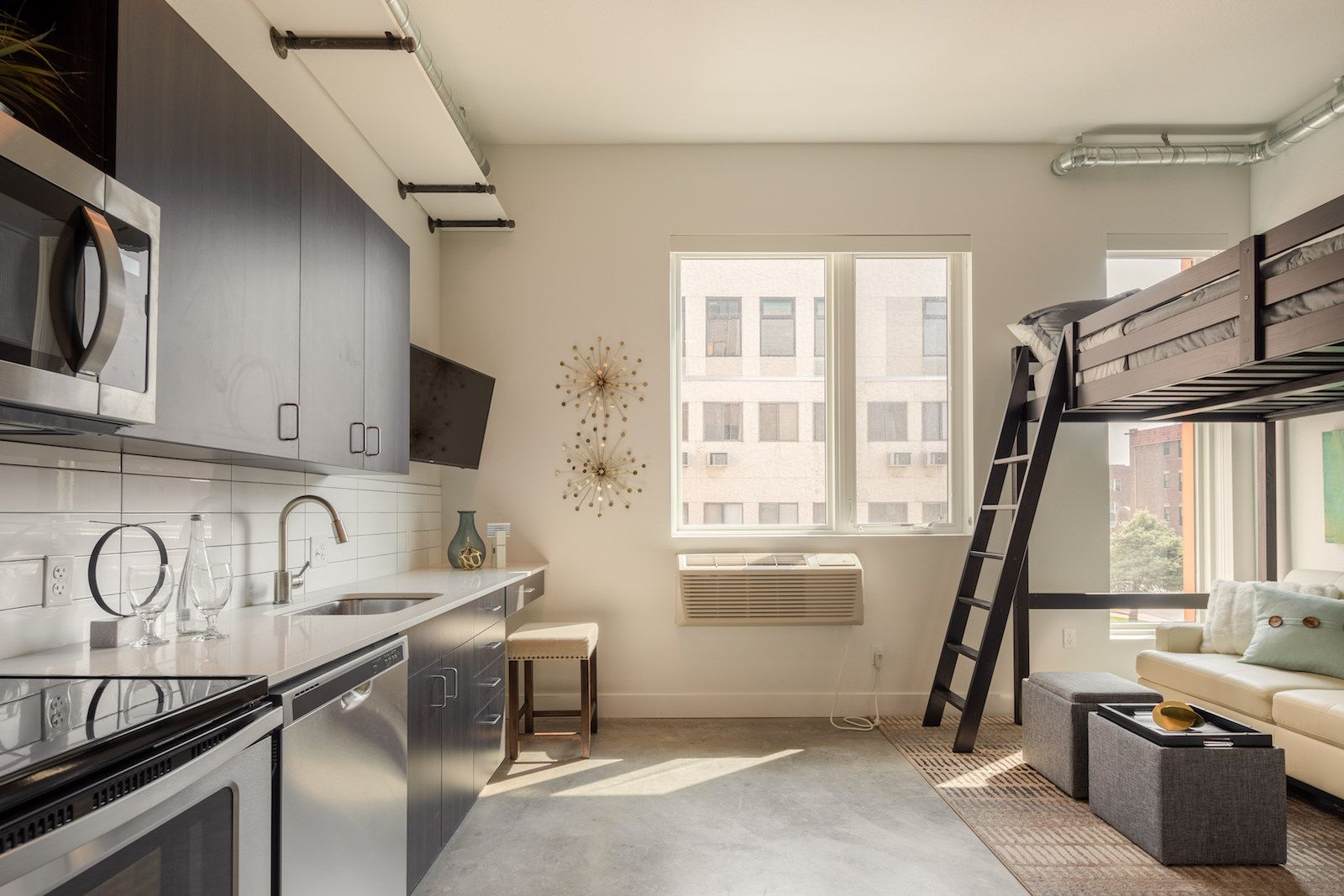
Micro-apartments emerged as a response to growing urban populations, rising real estate prices, and limited land availability. As cities expand and housing demand increases, developers and planners explore smaller, adaptable living units that support sustainable urban development.
These units are commonly located in city centers near public transportation, business districts, and universities. The design philosophy often emphasizes:
-
Space-saving furniture
-
Multi-purpose layouts
-
Minimalist interiors
-
Shared amenities in residential buildings
Micro-apartment rentals are not simply smaller homes; they represent a shift toward efficient living aligned with modern urban housing trends.
Importance: Why Micro-Apartment Rentals Matter Today
Micro-apartment rentals play a significant role in addressing contemporary housing challenges. Rapid urbanization has increased pressure on city infrastructure, resulting in higher rental demand and limited space availability.
This housing model matters because it supports:
-
Young professionals relocating to urban centers
-
Students and temporary residents
-
Individuals seeking proximity to workplaces
-
Urban sustainability initiatives
Key Benefits and Problems Addressed
| Challenge in Urban Housing | How Micro-Apartments Help |
|---|---|
| Limited housing supply | Higher unit density per building |
| Rising rental demand | Smaller footprint options |
| Long commuting times | Centralized urban locations |
| Environmental concerns | Reduced energy usage per unit |
From a real estate investment perspective, micro-units often provide consistent occupancy rates in high-demand urban areas. For tenants, they offer manageable living arrangements that align with flexible lifestyles.
The growth of property management software and tenant screening services has further streamlined operations for landlords managing compact units, contributing to a more structured rental market.
Recent Updates: Trends and Developments
Micro-apartment rentals continue to evolve in response to technological innovation and changing tenant preferences.
Recent trends include:
-
Increased adoption of smart home technology for compact living
-
Growth of co-living hybrid models
-
Enhanced energy-efficient building designs
-
Expansion of flexible lease structures
Smart lighting systems, digital access controls, and compact storage solutions have become more common in new developments. Architects increasingly integrate modular furniture, movable walls, and vertical storage to optimize usability.
In major metropolitan areas, developers are integrating shared amenities such as:
-
Community workspaces
-
Rooftop lounges
-
Fitness centers
-
Laundry facilities
Urban housing trends also show growing interest in sustainable construction materials and green building certifications. These updates reflect broader environmental awareness and regulatory expectations around energy efficiency.
Laws or Policies: Regulatory Considerations
Micro-apartment rentals are influenced by building codes, zoning regulations, and housing policies. Although regulations differ by jurisdiction, common factors include:
-
Minimum unit size requirements
-
Fire safety standards
-
Accessibility compliance
-
Occupancy limits
Some municipalities have revised zoning laws to permit smaller units in designated districts. In certain urban redevelopment initiatives, governments support high-density housing to improve land utilization and reduce suburban sprawl.
Energy-efficiency standards often affect new construction projects. Developers must comply with environmental guidelines related to insulation, ventilation, and water usage.
Tenant protection laws also apply to micro-apartment rentals. These may cover:
-
Lease agreements
-
Security deposit handling
-
Maintenance responsibilities
-
Eviction procedures
Because policies vary by location, both tenants and property owners should review local housing authority guidelines before entering agreements.
Tools and Resources for Micro-Apartment Living
Several digital tools and platforms support efficient management and planning for micro-apartment rentals.
Real Estate and Rental Market Platforms
-
Online rental listing platforms for market research
-
Real estate analytics dashboards
-
Rental agreement templates
Property Management Technology
-
Property management software for lease tracking
-
Digital tenant screening services
-
Online maintenance request systems
Space Planning and Interior Tools
-
3D room layout planners
-
Home organization apps
-
Smart home automation platforms
Below is a simplified comparison of useful digital tools:
| Tool Category | Purpose | Example Use |
|---|---|---|
| Layout Planner | Design small interiors | Test furniture placement |
| Budget Tracker | Manage monthly expenses | Monitor utilities |
| Smart Home App | Control devices remotely | Lighting automation |
| Rental Analytics | Evaluate housing trends | Compare urban rental demand |
These resources help tenants optimize space and assist landlords in maintaining operational efficiency.
FAQs
What defines a micro-apartment rental?
A micro-apartment rental is a compact residential unit designed for single occupancy or minimal household use, typically featuring a combined living, sleeping, and kitchen area with a separate bathroom.
Are micro-apartments suitable for long-term living?
Suitability depends on lifestyle preferences. Individuals who value central location, simplicity, and minimal maintenance often adapt well to long-term micro-apartment living.
How do micro-apartments support sustainable housing?
They reduce per-unit energy consumption, encourage public transportation use, and require fewer construction materials compared to larger residential units.
What should tenants review before signing a lease?
Tenants should examine lease duration, maintenance responsibilities, occupancy limits, and building policies regarding shared spaces.
Do micro-apartments affect urban real estate trends?
Yes. They influence urban real estate investment strategies by enabling higher density housing and attracting specific demographic groups such as students and professionals.
Conclusion
Micro-apartment rentals represent an adaptive response to urban housing challenges. They combine compact design, efficient resource use, and strategic location to meet the needs of modern city residents.
As urban housing trends continue to evolve, these units contribute to sustainable development and real estate innovation. Regulations, technology, and changing lifestyles all influence their growth.
For individuals researching small space living, understanding zoning policies, rental market insights, and available digital tools provides clarity before making housing decisions.