Luxury Vineyard Honeymoon in Italy: Discover Tips, Advice, and Romantic Travel Guide
A luxury vineyard honeymoon in Italy refers to a romantic travel experience centered around wine regions known for scenic vineyards, historic estates, and culinary traditions. Couples often visit wine-growing areas to explore landscapes, learn about winemaking culture, and enjoy peaceful countryside environments after their wedding celebrations.
Italy has long been associated with vineyard landscapes and wine heritage that date back thousands of years. Regions such as Tuscany, Piedmont, Veneto, and Sicily are widely recognized for producing some of the world’s most respected wines. Because these areas combine natural scenery, cultural heritage, and culinary experiences, they have become popular destinations for honeymoon travel and romantic getaways.
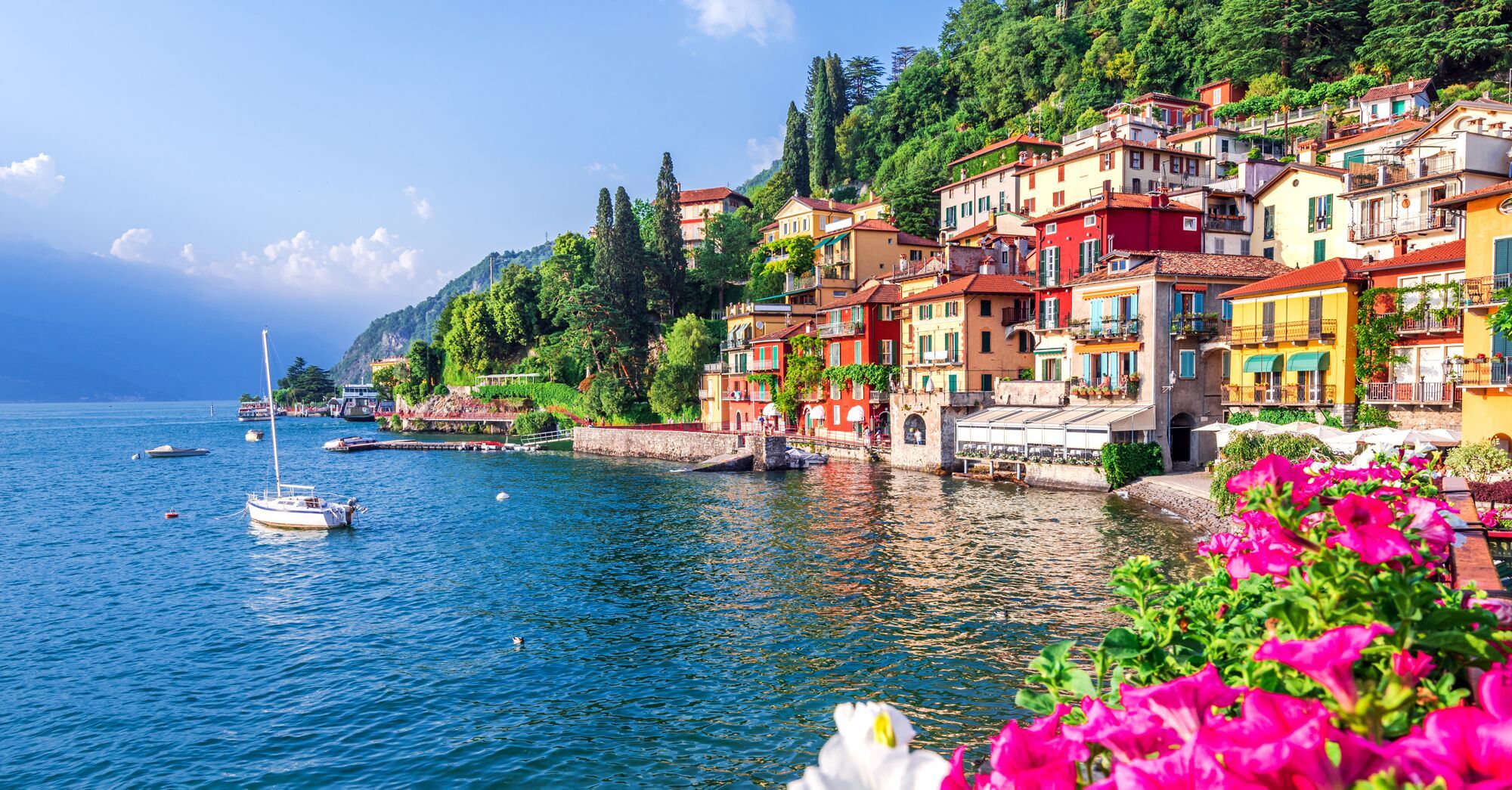
The idea of vineyard-focused travel emerged from broader wine tourism trends. Wine tourism allows visitors to explore vineyards, wineries, and rural landscapes while learning about local agricultural traditions. Over time, many couples began choosing vineyard regions as honeymoon destinations because they offer privacy, relaxation, and cultural experiences beyond traditional beach or city trips.
A vineyard honeymoon typically involves visiting wine estates, exploring countryside villages, participating in vineyard tours, and learning about wine production. Couples may also experience farm-to-table cuisine, vineyard walks, cultural excursions, and scenic landscapes that create a calm and intimate atmosphere.
This style of travel is particularly appealing for people interested in wine culture, rural landscapes, and slow travel experiences. Instead of focusing on fast-paced tourism, vineyard honeymoons emphasize relaxation, local culture, and nature.
Why Vineyard Honeymoon Travel Matters Today
Travel preferences have gradually shifted toward experiential tourism. Many travelers now seek meaningful experiences that combine culture, learning, and relaxation. Vineyard honeymoon travel reflects this broader change.
Several factors explain why vineyard honeymoons have become increasingly relevant in recent years.
Interest in wine tourism and culinary culture
Wine tourism continues to grow globally. Travelers often combine vineyard visits with culinary experiences such as regional cuisine, wine tasting education, and agricultural tours.
Preference for slow and immersive travel
Many couples prefer quieter destinations that allow them to spend more time exploring landscapes, small towns, and cultural traditions. Vineyard regions provide an alternative to crowded tourist cities.
Connection with nature and rural landscapes
Vineyard areas typically include rolling hills, historic villages, and scenic countryside views. This environment creates opportunities for nature-focused travel activities such as vineyard walks, cycling routes, and scenic drives.
Cultural learning and heritage exploration
Italian wine regions often have centuries of agricultural history. Visitors can learn about traditional grape cultivation, winemaking techniques, and regional food traditions.
Privacy and romantic environments
Many vineyard estates are located in quiet countryside settings. This provides couples with a peaceful environment that supports relaxation and shared experiences.
These factors make vineyard honeymoons appealing to couples interested in cultural travel, gastronomy, and scenic landscapes rather than conventional tourism experiences.
Trends and Developments in Vineyard Tourism
Over the past year, vineyard tourism in Italy has continued evolving as travel trends change and sustainability becomes more important.
Growth of sustainable wine tourism
Many Italian wine regions have increased their focus on environmentally responsible vineyard management. Organic farming practices, biodiversity protection, and sustainable agriculture are becoming more common among wineries.
In 2024, several vineyard estates across Tuscany and Piedmont introduced sustainability initiatives aimed at reducing environmental impact. These initiatives include water conservation programs, renewable energy systems, and eco-friendly vineyard management.
Digital vineyard travel planning
Travel planning tools have expanded in recent years. Many wine regions now provide digital vineyard maps, interactive travel guides, and mobile applications that help visitors explore wine routes.
Online travel platforms also provide curated vineyard itineraries that highlight scenic routes, vineyard landscapes, and regional culinary traditions.
Growth of wine education tourism
Wine education experiences have become more popular among travelers. Visitors increasingly participate in vineyard tours, tasting workshops, and educational programs focused on grape varieties and winemaking techniques.
Rural tourism development programs
Italian tourism authorities have also promoted rural tourism initiatives designed to encourage travel beyond major cities. These programs support agricultural communities and highlight traditional landscapes.
Smaller group travel experiences
Another emerging trend involves smaller group tours and private vineyard visits. These experiences allow visitors to explore wine regions at a slower pace while learning directly from vineyard specialists.
Together, these developments show how vineyard tourism continues adapting to modern travel interests while preserving traditional agricultural practices.
Regulations and Policies Affecting Wine Tourism
Wine tourism and vineyard visits in Italy operate within a regulatory framework that protects agricultural traditions, regional identity, and environmental sustainability.
Several policies influence vineyard tourism experiences.
Geographical wine classification systems
Italy uses a classification system that regulates wine production and geographic origin. These classifications include:
| Classification | Meaning |
|---|---|
| DOCG | Controlled and guaranteed origin |
| DOC | Controlled designation of origin |
| IGT | Typical geographical indication |
These classifications ensure that wines are produced in specific regions using approved grape varieties and production standards.
Agritourism regulations
Italy has national and regional policies supporting agritourism, which allows farms and vineyards to host visitors while maintaining agricultural activity. Agritourism laws help preserve rural traditions while promoting tourism in vineyard regions.
Sustainability and environmental policies
Several Italian regions encourage sustainable vineyard management through environmental programs and agricultural guidelines. These policies support biodiversity protection, soil conservation, and responsible land use.
Cultural heritage preservation
Many vineyard landscapes are protected because they represent important cultural heritage sites. For example, the vineyard landscapes of Piedmont are recognized for their historical significance and landscape preservation efforts.
Travel and visitor guidelines
Visitors to vineyard regions are generally encouraged to follow responsible tourism practices, including respecting agricultural land, local communities, and regional cultural traditions.
These policies help maintain the balance between tourism activity and long-term preservation of vineyard landscapes.
Tools and Resources for Planning a Vineyard Honeymoon
Modern travel planning often involves digital tools and informational resources that help travelers explore destinations more effectively. Several tools support vineyard-focused travel planning.
Wine region exploration platforms
Online platforms help travelers learn about grape varieties, vineyard regions, and wine heritage.
Common features include:
-
Interactive wine region maps
-
Vineyard directories
-
Educational wine guides
-
Regional food pairing information
Travel planning applications
Travel apps assist with itinerary planning, navigation, and destination research.
Useful features include:
-
Trip planning timelines
-
Route planning for vineyard regions
-
Travel journal tools
-
Language translation assistance
Wine education resources
Wine education websites and guides provide introductory information about:
-
Italian wine classifications
-
Regional grape varieties
-
Vineyard geography
-
Wine tasting basics
Navigation and route mapping tools
Digital maps can help travelers explore vineyard routes across Italian countryside regions. These tools provide information about scenic routes, village locations, and regional attractions.
Travel information portals
Official tourism websites for Italian regions provide detailed travel information about vineyard landscapes, cultural sites, and seasonal events.
These resources help travelers understand vineyard destinations and plan educational, culturally focused travel experiences.
Frequently Asked Questions
What is a vineyard honeymoon?
A vineyard honeymoon is a travel experience centered around wine regions where couples explore vineyards, countryside landscapes, and local cultural traditions. Activities often include vineyard tours, wine education experiences, and visits to rural villages.
Which regions in Italy are known for vineyard tourism?
Italy has several well-known vineyard regions. Some of the most recognized areas include Tuscany, Piedmont, Veneto, Sicily, and Lombardy. Each region produces different grape varieties and offers unique landscapes.
When is the best season to visit Italian vineyards?
Vineyard travel is possible throughout the year, but many visitors prefer late spring through early autumn. Harvest season typically occurs between September and October, which can provide opportunities to observe vineyard activity.
What experiences are commonly included in vineyard travel itineraries?
Typical experiences may include vineyard walks, wine education sessions, countryside exploration, cultural site visits, and regional food experiences connected to agricultural traditions.
Do vineyard regions include cultural attractions beyond wine tourism?
Yes. Many vineyard areas also include historical villages, medieval towns, museums, churches, and scenic landscapes that provide opportunities for broader cultural exploration.
Conclusion
Luxury vineyard honeymoons in Italy combine scenic landscapes, cultural traditions, and wine heritage into a unique travel experience. These destinations allow couples to explore agricultural regions while learning about Italian culinary culture and winemaking history.
The growing interest in experiential tourism has helped vineyard travel gain popularity among travelers seeking meaningful and relaxed destinations. Italian wine regions offer opportunities to explore countryside landscapes, discover traditional agricultural practices, and experience regional food culture.
Recent trends in sustainable tourism, digital travel planning tools, and rural tourism initiatives continue to shape vineyard travel experiences. At the same time, regulatory frameworks help preserve vineyard landscapes and ensure that winemaking traditions remain protected.