Low-Profile Living Room Sofas: Complete Guide, Tips & Design Insights
Low-profile living room sofas are seating pieces designed with a lower seat height, shorter backrests, and a horizontal visual emphasis. Unlike traditional bulky couches, these sofas sit closer to the floor and create a clean, open appearance in interior spaces.
This furniture style evolved from modernist and minimalist design movements that emphasized simplicity, proportion, and spatial balance. Influences can be traced to mid-century and contemporary design philosophies that valued clean lines and functional form.
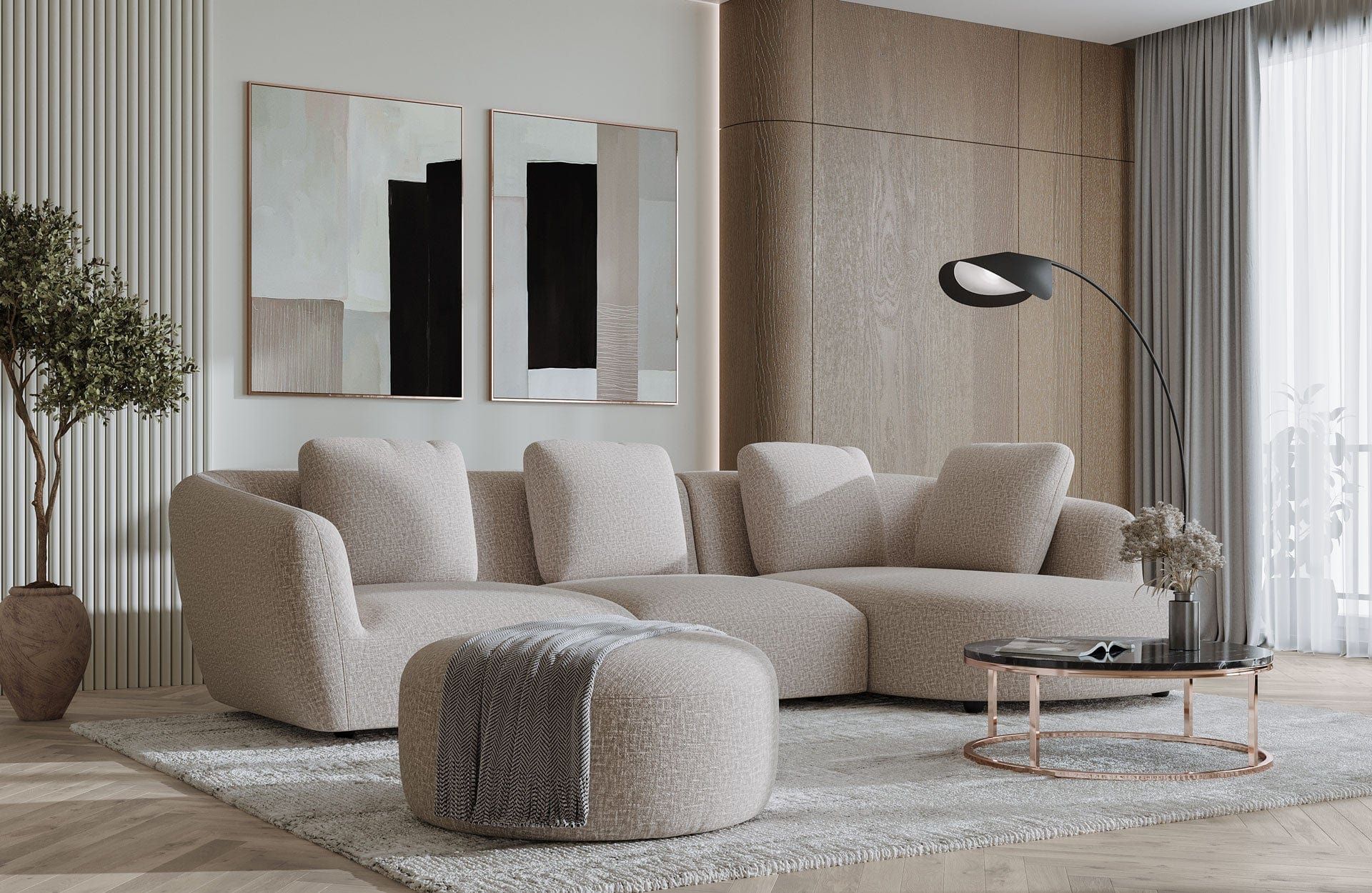
In interior design terms, a low-profile sofa supports visual continuity. Because it does not interrupt sightlines, it makes ceilings appear taller and rooms feel larger. This makes it particularly suitable for urban apartments, open-plan layouts, and compact living areas.
Today, low-profile seating is widely discussed in modern living room furniture planning due to its adaptability across décor styles such as minimalist, Scandinavian, Japandi, and contemporary interior design themes.
Importance: Why Low-Profile Sofas Matter Today
The growing popularity of low-profile living room sofas is closely connected to changes in housing design and lifestyle preferences.
Many residential spaces now feature open-concept layouts where living rooms blend into dining or kitchen areas. In these settings, furniture must support space optimization solutions rather than dominate the room. A lower sofa profile maintains openness and allows natural light to flow freely.
Key benefits include:
-
Improved visual spaciousness in smaller rooms
-
Better alignment with modern interior design trends
-
Enhanced flexibility in modular seating systems
-
A streamlined appearance that complements minimal décor
Low-profile sofas are especially relevant for:
-
Apartment dwellers seeking efficient layout solutions
-
Interior designers focusing on contemporary home décor ideas
-
Homeowners integrating floor-to-ceiling windows
-
Families preferring casual, lounge-style seating
Another reason for their importance is ergonomic furniture design. While lower seating may seem purely aesthetic, many models are engineered with deeper cushions and supportive cores to ensure comfort without increasing overall height.
Below is a simple comparison showing how profile height affects room perception:
| Feature | Traditional Sofa | Low-Profile Sofa |
|---|---|---|
| Average Seat Height | Higher | Lower |
| Visual Bulk | Moderate to Heavy | Light & Streamlined |
| Best for Small Rooms | Limited | Highly Suitable |
| Ceiling Emphasis | Reduced | Enhanced |
| Compatibility with Modern Interiors | Moderate | High |
This comparison highlights why low-profile seating aligns strongly with contemporary interior planning strategies.
Recent Updates: Emerging Design Trends and Industry Shifts
In the past year, several notable shifts have influenced low-profile living room furniture design.
One major development is the rise of curved silhouettes. Instead of strictly linear forms, designers are introducing rounded edges and organic shapes to create softer, more inviting environments. This trend has been widely highlighted in interior design publications during recent seasonal design showcases.
Another update involves modular seating systems. Adjustable sections allow users to rearrange layouts without changing the sofa’s low-profile identity. Modular systems support flexible living arrangements, which are increasingly common in multi-functional homes.
Sustainable furniture materials have also gained attention. Upholstery fabrics now often include recycled textiles or natural fibers. Manufacturers have emphasized transparency in sourcing, responding to increased consumer awareness about environmental impact.
Neutral color palettes continue to dominate. Earth tones, soft greys, warm beige, and muted greens have appeared frequently in recent home décor trends. These tones complement the understated form of low-profile sofas and support calm interior environments.
Additionally, digital visualization tools have become more common. Many interior planners now rely on room layout software to preview how a low-profile sofa will affect scale and proportion before final placement.
Laws or Policies: How Regulations Influence Sofa Design
Although furniture style itself is not directly regulated, several types of policies influence how low-profile sofas are designed and manufactured.
Safety regulations typically address:
-
Fire resistance standards for upholstery fabrics
-
Flammability testing requirements
-
Structural durability benchmarks
-
Chemical content restrictions in foam and finishes
Environmental policies can also affect material choices. Guidelines related to emissions, sustainable sourcing, and indoor air quality standards have encouraged the use of certified wood, low-VOC adhesives, and responsibly processed textiles.
Consumer protection rules ensure accurate labeling of materials and compliance with product safety requirements. This promotes transparency in ergonomic furniture design and sustainability claims.
In some regions, accessibility standards may influence furniture height considerations in public or commercial environments. While low-profile sofas are more common in residential settings, hospitality and shared spaces often follow universal design recommendations to ensure comfort and usability.
Overall, regulatory frameworks support safer, more environmentally responsible furniture production without dictating specific aesthetic styles.
Tools and Resources for Planning Low-Profile Living Room Layouts
Choosing and placing a low-profile sofa involves more than visual preference. Several digital and practical tools assist with layout accuracy and interior planning.
Room Planning Software
-
Sketch-based interior layout tools
-
3D modeling applications for spatial visualization
-
Augmented reality apps for virtual placement previews
Measurement Tools
-
Online room size calculators
-
Seating clearance guidelines
-
Floor plan grid templates
Material Evaluation Resources
-
Sustainability certification databases
-
Indoor air quality reference guides
-
Fabric durability rating systems
Design Inspiration Platforms
-
Digital mood board creators
-
Interior design trend reports
-
Architectural photography archives
Below is a simple planning reference chart for spacing:
| Layout Element | Recommended Consideration |
|---|---|
| Distance from Coffee Table | Comfortable leg space |
| Distance from Wall | Balanced airflow and cleaning access |
| Viewing Distance to TV | Proportional to screen size |
| Traffic Flow Clearance | Unobstructed pathways |
Using these tools and references can improve layout efficiency and support space optimization solutions in both small and large living areas.
Frequently Asked Questions
Are low-profile sofas comfortable for daily use?
Yes. Many models incorporate high-density foam, layered cushions, and ergonomic furniture design principles to maintain support despite a lower seat height.
Do low-profile sofas work in small living rooms?
They are often well-suited for smaller spaces because their reduced vertical height enhances the perception of openness.
Can a low-profile sofa fit traditional interiors?
While commonly associated with contemporary interior design, it can complement transitional décor when paired with textured fabrics or classic accent pieces.
Are these sofas suitable for open-concept layouts?
Yes. Their horizontal orientation helps define seating zones without visually blocking adjoining spaces.
What materials are commonly used?
Frames typically use engineered or solid wood, while upholstery options include performance fabrics, recycled textiles, and natural fibers aligned with sustainable furniture materials standards.
Conclusion
Low-profile living room sofas represent a design shift toward simplicity, spatial awareness, and functional elegance. Their lower height and streamlined silhouette contribute to a lighter visual impact, making them especially relevant in modern living room furniture planning.
As interior design trends continue to favor open layouts, modular seating systems, and sustainable furniture materials, low-profile sofas remain aligned with contemporary preferences. Regulatory frameworks further ensure safety, material transparency, and environmental responsibility.
For homeowners, designers, and apartment residents alike, understanding proportion, layout strategy, and ergonomic considerations is essential when integrating low-profile seating into a living space.