Living Room Accent Chair Innovations: Explore Overview, Basics, and Key Details
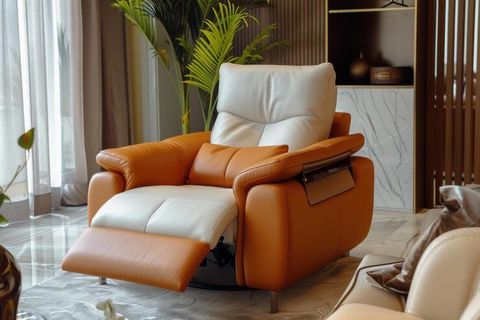
A living room accent chair is a single-seat chair designed to add comfort, style, and function to a space. Unlike a sofa, which usually anchors the room, an accent chair often plays a supporting role. It might create a reading corner, complete a seating arrangement, or add a standout texture and color.
Accent chair innovations are the new ideas and improvements being applied to this category of furniture. These changes exist because people now expect more from home seating than basic looks and comfort. Homes are being used in more flexible ways than before—work, study, relaxing, entertaining, and even short breaks throughout the day. As a result, an accent chair needs to perform well across different daily routines.
Innovation also happens because living rooms are not all the same size. Many households want space-saving furniture, easy-clean upholstery, and durable materials that can handle pets, children, and frequent use. A modern accent chair is often designed for real-life conditions, not just showroom styling.
Importance: Why Accent Chair Innovation Matters Today
Accent chair innovation matters because it affects comfort, health, and how efficiently a room works. Furniture choices influence posture, relaxation quality, and movement patterns, especially for people who spend long hours sitting.
These updates matter for many groups:
-
Apartment residents who need compact seating that doesn’t crowd the room
-
Families who want stain-resistant upholstery and safe edges
-
Remote workers who sometimes work from living rooms
-
Older adults who benefit from easier sit-to-stand seating heights
-
Design-focused homeowners who want coordinated, modern interiors
Many modern living rooms also follow flexible layout trends such as multipurpose corners and open-plan spaces. In such rooms, an accent chair may serve as a visual divider or “zone marker” without needing a large piece of furniture.
Innovations solve practical problems like:
-
Lack of back support in decorative chairs
-
Hard-to-clean fabrics and cushions
-
Poor durability of joints and frames
-
Chairs that feel too large for small rooms
-
Slippery floors and unstable feet
-
Furniture that doesn’t match modern lighting and color trends
A well-designed accent chair can support better comfort while keeping a room organized and visually balanced.
Recent Updates: Key Trends and Changes From the Past Year
Over the past year (2025 into early 2026), accent chair updates have focused on durability, flexibility, and healthier sitting. While trends vary by region, several changes are widely seen across modern interior design and furniture manufacturing.
Better performance fabrics and easy-clean materials (2025)
Many newer accent chairs are using performance fabric concepts such as tighter weaves, improved abrasion resistance, and coatings that help resist stains. This trend reflects everyday needs like protection from food spills, dust, and pet hair.
Common fabric improvements include:
-
Enhanced stain resistance
-
More textured weaves that hide minor marks
-
Breathable upholstery blends for warm climates
-
Neutral tones that match multiple interior themes
Ergonomic shapes becoming more common (mid–late 2025)
Accent chairs are increasingly designed with subtle ergonomic details. Earlier, ergonomics was mainly associated with office chairs, but now it is appearing in living room seating too.
Ergonomic updates often include:
-
Gentle lumbar shaping
-
Curved backrests supporting shoulders
-
Seat depth designed for relaxed posture
-
Armrests positioned for natural elbow height
Modular and flexible layouts (late 2025)
Modular furniture thinking is influencing accent chairs. People want pieces that can move easily, fit different corners, and match future changes like shifting furniture layouts or house moves.
Examples of flexibility features:
-
Lightweight frames
-
Compact footprints
-
Matching ottomans or movable footrests
-
Swivel bases for easier turning
Texture-first design and “quiet luxury” styling (2025–2026)
In many interiors, chairs are becoming less flashy and more texture-focused. Bouclé-like textures, soft-touch finishes, and muted colors remain popular because they add warmth without overpowering a room.
Color directions commonly seen:
-
Warm beige and sand tones
-
Soft greys and stone colors
-
Olive and deep earthy greens
-
Dark wood accents and matte black legs
Sustainability features (2025)
Sustainable furniture ideas are being applied to accent chairs using:
-
FSC-style wood sourcing
-
Reduced packaging waste
-
Low-emission finishes
-
Longer-lasting, repair-friendly design
This shift matters because furniture is a long-term household product, and durability reduces replacement frequency.
Laws or Policies That Can Affect Accent Chairs (General Guidance)
Rules and policies can shape how accent chairs are made, labeled, and used in homes. Exact requirements vary by country and region, but these categories are commonly relevant.
Fire safety standards for upholstered furniture
Many regions have fire safety expectations for upholstery and foam. These rules may involve how materials respond to ignition sources. For households, the main takeaway is that materials and labels can matter for safety and compliance in certain buildings.
Chemical safety and indoor air quality (VOC-related)
Some finishes, adhesives, and foams can release VOCs (volatile organic compounds). Various consumer safety regulations and certification programs influence what materials can be used and how they’re tested or disclosed.
If indoor air quality is a priority, people often look for:
-
Low-emission materials
-
Low-odor finishes
-
Better ventilation after unpacking
Product labeling, warranties, and consumer protection
Consumer protection rules generally require truthful descriptions and basic product accountability. While this does not guarantee quality, it reduces the chance of misleading claims.
Building or community guidelines (apartments)
Some apartments or housing communities have guidelines related to:
-
Floor protection (anti-scratch pads)
-
Fire safety behavior (safe placement near heaters)
-
Space usage in common areas
Practical tip: keep upholstered chairs away from direct heat sources and ensure stable placement on smooth floors.
Tools and Resources That Help With Accent Chair Planning
Choosing an accent chair is easier when you use simple planning tools. These are general resources you can use without needing specialized skills.
Room planning and measurement tools
-
Tape measure or laser measure for accurate dimensions
-
AR room preview tools in furniture and decor apps (helps visualize scale)
-
Grid paper or notes app for sketching a layout
Comfort and ergonomics checklists (personal use)
You can use a simple checklist before selecting a chair:
-
Seat height supports comfortable feet placement
-
Back height supports upper back and shoulders
-
Seat depth doesn’t force slouching
-
Armrests do not push shoulders upward
Material and durability reference tools
-
Upholstery care label guides (symbols for cleaning methods)
-
Fabric rub-count and durability explanations (for heavy-use seating)
-
Foam density basics (helps understand long-term cushion support)
Maintenance and cleaning helpers
-
Lint roller and soft brush for daily care
-
Fabric-safe upholstery cleaner (test on hidden area first)
-
Slipcovers or throws for high-use homes
Key Innovations Explained With Simple Details
Modern accent chairs include upgrades that may not be obvious at first glance. This section breaks down the most common improvements.
Improved frame engineering and stability
Older chairs sometimes wobble because of weak joinery. Newer designs often use stronger frame construction and better support points.
Signs of stability-focused design:
-
Reinforced legs and corner blocks
-
Better weight distribution
-
Wider stance for balance
Swivel, glide, and smooth movement bases
Movement features help with flexible living rooms. A swivel accent chair can rotate toward the TV or toward conversation seating without shifting the entire chair.
Common movement types:
-
360-degree swivel
-
Swivel with return-to-center
-
Gentle gliding base
Space-saving shapes for compact rooms
Small living rooms benefit from chairs designed to “look light” and use less floor area. This includes armless designs, slimmer arms, and raised legs.
Space-smart features include:
-
Narrow arms
-
Open sides
-
Raised legs for visual openness
Supportive cushioning that keeps shape longer
Cushions now often use layered materials for comfort and durability, such as firm support foam under softer top layers. This helps chairs feel comfortable while resisting flattening.
Quick Comparison Table: Innovation Features and Practical Benefits
| Innovation Feature | What It Changes | Everyday Benefit |
|---|---|---|
| Ergonomic back curve | Supports spine alignment | More comfortable long sitting |
| Performance fabric | Improves stain resistance | Easier cleaning and maintenance |
| Swivel base | Adds rotation | Flexible viewing and conversation |
| Compact frame | Reduces footprint | Better for small rooms |
| Reinforced joinery | Improves strength | Less wobble over time |
| Modular styling | Coordinates with room | Easier layout changes |
Simple Sizing Guide Table (For Planning)
| Room Type | Suggested Chair Width Range | Best Feature Focus |
|---|---|---|
| Small apartment living room | 26–32 inches | compact footprint, raised legs |
| Medium family living room | 30–38 inches | durable fabric, supportive cushioning |
| Open-plan living area | 34–42 inches | swivel, statement texture, deep seat |
Note: Always measure walking space. Leaving clear pathways reduces daily friction in the room.
Small “Comfort Score” Graph (Basic Example)
Below is a simple way to compare chair comfort factors. You can rate each chair from 1–5 based on your needs.
| Comfort Factor | Score Range |
|---|---|
| Back support | 1–5 |
| Seat cushioning | 1–5 |
| Neck/shoulder support | 1–5 |
| Armrest comfort | 1–5 |
| Heat/breathability | 1–5 |
Total possible: 25
This helps compare chairs logically instead of relying only on appearance.
FAQs
What is the difference between an accent chair and a regular chair?
An accent chair is usually chosen to complement a living room layout and add style, texture, or extra seating. A regular chair may be designed mainly for dining, office work, or utility. Accent chairs often prioritize comfort and room aesthetics together.
Are modern accent chairs designed for long sitting sessions?
Many are better than older decorative styles because ergonomic shaping and improved cushioning are now common. However, comfort depends on seat depth, back support, and posture fit. Testing support for your height and sitting habits is important.
Which upholstery works best for homes with pets or kids?
Performance-oriented fabrics and tightly woven materials tend to handle daily use better. Chairs with textures that hide minor marks and fabrics that resist quick absorption are often easier to maintain.
How do I know if an accent chair is the right size for my room?
Measure the chair width and depth, then compare it to available floor space and walking paths. A useful guideline is to keep enough clearance so movement doesn’t feel blocked. Compact chairs work better in narrow living rooms.
What features matter most for comfort without changing the room style?
Look for supportive cushioning, a gently shaped backrest, and a stable base. These features improve comfort without making the chair look like office furniture.
Conclusion
Living room accent chair innovations are improving how single-seat furniture fits into modern life. Today’s accent chairs are not only decorative pieces—they often support multipurpose routines, small-space living, and daily comfort expectations. Recent changes show a clear direction toward performance fabrics, ergonomic shaping, modular flexibility, and materials that handle real-life use.
These updates matter because living rooms are used more intensely than ever, and seating affects comfort, posture, and room functionality. Understanding sizing, support features, and materials makes it easier to choose a chair that works well long-term. With simple measuring tools, comfort scoring, and awareness of safety and material standards, anyone can evaluate accent chair options in a clear and practical way—without confusion or unrealistic expectations.