Liquid Filling Machines Guide: Basics, Insights & Key Details
Liquid filling machines are industrial packaging equipment designed to accurately dispense liquids into containers such as bottles, jars, pouches, and cans. These machines are used in manufacturing sectors where consistent filling volume, hygiene, and efficiency are essential.
They exist because manual filling processes are slow, inconsistent, and prone to contamination or measurement errors. As production volumes increased across industries such as food processing, pharmaceuticals, cosmetics, chemicals, and beverages, manufacturers required automated filling systems that ensure precision, speed, and regulatory compliance.
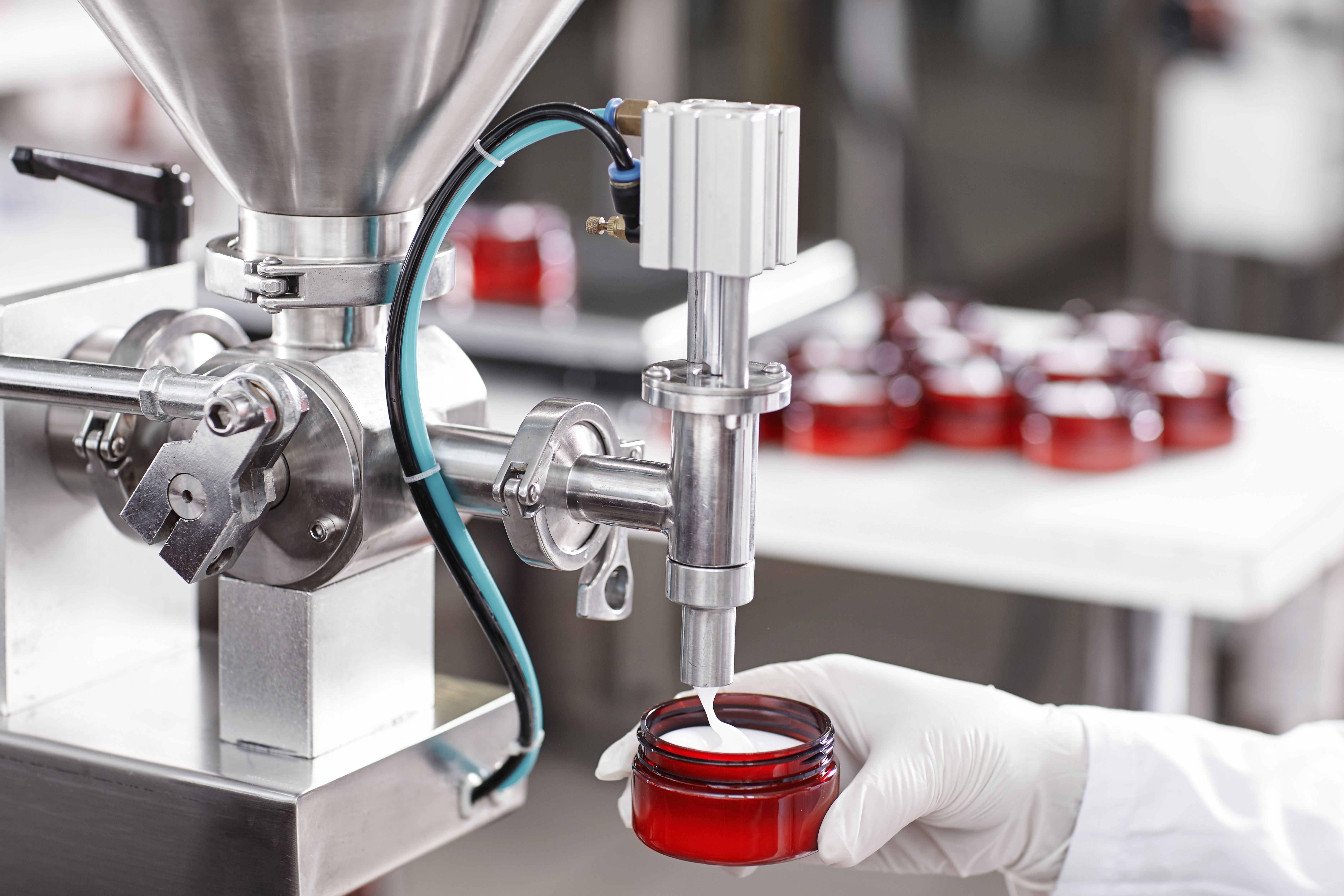
Liquid filling machines operate using different technologies depending on the product’s viscosity and packaging format. Thin liquids like water or juice require different filling methods compared to thicker substances such as syrups, oils, gels, or creams.
Modern bottle filling line automation integrates sensors, programmable logic controllers (PLC), and smart monitoring systems. This combination improves productivity and reduces waste while maintaining manufacturing compliance standards.
Common Types of Liquid Filling Machines
Different filling technologies are used based on product characteristics and operational requirements:
• Gravity filling machines – Suitable for free-flowing liquids like water or thin beverages.
• Volumetric filling machines – Use piston or pump systems to dispense precise measured quantities.
• Overflow filling machines – Provide consistent fill levels, often used for transparent bottles.
• Aseptic filling systems – Designed for sterile environments in pharmaceutical and dairy production.
• Pump filling systems – Ideal for thick liquids such as lotions or sauces.
Each system supports different production speeds and container sizes, contributing to packaging line efficiency.
Why Liquid Filling Machines Matter Today
The importance of liquid filling machines has grown alongside global manufacturing expansion and supply chain digitization.
Industries affected include:
• Food and beverage processing
• Pharmaceutical manufacturing
• Personal care and cosmetics production
• Chemical and lubricant packaging
• Nutraceutical and health supplement industries
These systems address several operational challenges:
• Reducing product wastage
• Improving measurement accuracy
• Enhancing hygiene and contamination control
• Increasing output without increasing labor dependency
• Supporting traceability and quality assurance
Automation trends such as Industry 4.0 and smart factory integration are transforming filling operations. Sensors now track performance metrics like fill accuracy, downtime, and throughput rates. This data supports predictive maintenance and production optimization.
The growing demand for sustainable packaging also influences equipment design. Manufacturers are adapting filling technology to handle lightweight bottles, recyclable materials, and biodegradable containers without compromising stability or speed.
Comparative Overview of Filling Technologies
Below is a simplified comparison of common filling methods:
| Filling Method | Suitable Viscosity | Typical Industry Use | Automation Level |
|---|---|---|---|
| Gravity Filling | Low | Water, Juices | Semi to Fully |
| Volumetric Piston | Medium to High | Sauces, Creams | Fully Automated |
| Pump Filling | Medium to High | Cosmetics, Chemicals | Fully Automated |
| Aseptic Filling | Low to Medium | Pharmaceuticals, Dairy | Advanced |
| Overflow Filling | Low | Beverages, Cleaning Fluids | Automated |
This comparison highlights how volumetric filling technology is widely used when precision is critical.
Recent Developments in Liquid Filling Technology
Recent industry reports indicate several technological advancements within the past year.
One key trend has been the integration of artificial intelligence in automated filling systems. AI-driven monitoring now predicts nozzle blockages, detects irregular fill patterns, and reduces machine downtime.
Another development is the expansion of IoT-enabled filling lines. These systems allow remote diagnostics and real-time data dashboards for factory managers.
Sustainability improvements have also emerged, including energy-efficient motors and reduced compressed air consumption. Some packaging equipment manufacturers introduced modular designs that allow easier reconfiguration for different bottle sizes without major mechanical changes.
In addition, stricter hygiene protocols in pharmaceutical and food processing sectors have increased demand for advanced aseptic filling processes. Manufacturers are investing in improved clean-in-place (CIP) and sterilization-in-place (SIP) technologies.
These changes reflect broader automation trends and digital transformation across manufacturing sectors.
Regulatory and Policy Considerations
Liquid filling machines are directly influenced by manufacturing compliance standards and regulatory frameworks.
Key regulatory areas include:
• Food safety regulations governing hygiene and contamination control
• Pharmaceutical Good Manufacturing Practices (GMP)
• Labeling accuracy standards
• Environmental regulations related to packaging waste
• Workplace safety requirements for industrial equipment
Food-grade filling lines must comply with hygiene certifications and material safety standards. Stainless steel components are commonly used to prevent corrosion and contamination.
Pharmaceutical filling systems must operate in controlled environments with strict validation protocols. Aseptic filling processes require documentation and testing to ensure sterility.
Environmental policies increasingly focus on reducing packaging waste and encouraging recyclable materials. This shift influences equipment compatibility with lightweight containers and eco-friendly packaging formats.
Manufacturers must ensure that their automated filling systems align with local and international compliance frameworks to avoid operational disruptions.
Tools and Resources for Understanding Filling Systems
Several tools and resources support learning and operational planning in this field:
• Production capacity calculators – Estimate throughput based on container size and cycle time
• Viscosity measurement charts – Help determine suitable filling methods
• PLC simulation software – Used to model automation sequences
• CAD design tools – Assist in packaging line layout planning
• Industry standards documentation platforms – Provide access to compliance guidelines
• Maintenance tracking systems – Monitor downtime and service intervals
Manufacturing professionals often use digital dashboards to analyze performance indicators such as:
• Fill accuracy percentage
• Units per minute (UPM)
• Rejection rates
• Energy consumption levels
Below is a simplified performance graph example illustrating productivity improvement through automation integration:
Production Output
|
| ██████████████ Automated
| ███████ Manual
|____________________________________
Time
The graph shows how automated filling systems increase consistent output over time compared to manual operations.
Factors to Consider When Evaluating Filling Equipment
When analyzing liquid filling machines, several technical factors matter:
• Product viscosity and density
• Container material and shape
• Required production speed
• Level of automation
• Cleaning and sanitation requirements
• Integration with labeling and capping systems
Compatibility with bottle filling line automation ensures smoother operation across the entire packaging process.
Frequently Asked Questions
What is the difference between volumetric and gravity filling machines?
Volumetric filling machines measure a precise volume before dispensing, making them ideal for thick or high-value liquids. Gravity filling machines rely on liquid flow and are typically used for thin, free-flowing products.
Why is aseptic filling important in pharmaceuticals?
Aseptic filling ensures sterile packaging conditions, reducing contamination risks. It is essential for injectable drugs, dairy-based products, and other sensitive formulations.
How does automation improve packaging line efficiency?
Automation reduces human error, improves fill accuracy, increases speed, and enables real-time monitoring. This leads to higher output consistency and reduced downtime.
Are liquid filling machines suitable for eco-friendly packaging?
Modern systems are increasingly compatible with recyclable and biodegradable containers. Equipment adjustments allow stable filling of lightweight packaging materials.
What industries use automated filling systems the most?
Food processing, pharmaceuticals, cosmetics, chemicals, and beverage production are among the most common industries relying on industrial packaging equipment.
Conclusion
Liquid filling machines play a critical role in modern manufacturing and industrial packaging operations. They support precision, hygiene, efficiency, and regulatory compliance across multiple sectors.
Advancements in automation, IoT integration, and sustainable packaging compatibility continue to shape the evolution of filling technology. By understanding different filling methods, regulatory considerations, and available analytical tools, organizations can enhance packaging line efficiency and maintain high-quality production standards.