Light Trekking Tours Guide: Discover Insights & Advice
Light trekking tours refer to guided or self-planned walking journeys on relatively easy terrain, usually covering short to moderate distances. These routes are designed for beginners, families, and travelers who want to experience nature without intense physical strain. Unlike high-altitude mountaineering or multi-day extreme expeditions, light trekking focuses on accessibility, safety, and enjoyment.
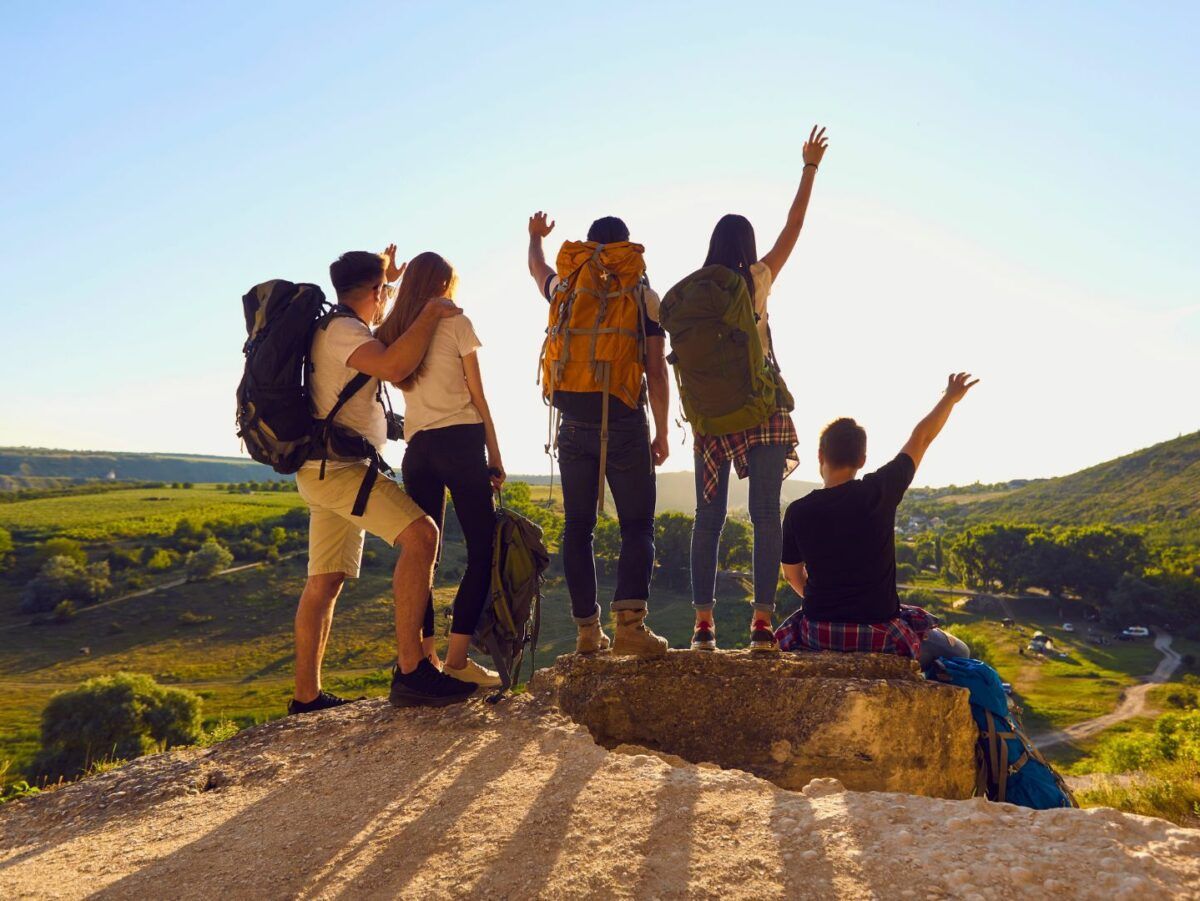
Such tours exist because many travelers seek outdoor experiences that balance adventure with comfort. Urban lifestyles, digital overload, and sedentary habits have increased interest in nature-based activities. Light trekking provides exposure to scenic landscapes, cultural sites, and ecological diversity without requiring technical climbing skills.
Common features of light trekking tours include:
-
Well-marked trails
-
Gradual elevation gain
-
Basic accommodation options
-
Support from local guides
-
Flexible itineraries
Popular destinations often include national parks, forest reserves, coastal paths, and hillside villages. For example, regions around Annapurna Base Camp offer lighter alternative routes suitable for beginners, while parts of the Camino de Santiago are known for moderate walking segments.
Light trekking blends physical activity, cultural exploration, and environmental awareness. It supports responsible tourism and introduces travelers to sustainable outdoor practices.
Why Light Trekking Tours Matter Today
Interest in outdoor recreation has grown significantly in recent years. Health awareness, mental well-being discussions, and environmental education have influenced travel preferences. Light trekking tours matter because they provide:
-
Physical activity suitable for diverse age groups
-
Stress reduction and mental clarity
-
Opportunities to connect with natural ecosystems
-
Cultural immersion in rural communities
They particularly affect:
-
First-time trekkers
-
Families with children
-
Senior travelers
-
Corporate teams participating in outdoor retreats
-
Students in environmental education programs
Light trekking also addresses common problems associated with modern lifestyles. Sedentary habits contribute to health risks, while digital fatigue impacts mental focus. Spending time outdoors improves mood, cardiovascular fitness, and overall well-being.
From a sustainable tourism perspective, light trekking distributes visitor flow across lesser-known regions. This reduces overcrowding in major tourist hubs and supports local economies through eco-tourism initiatives.
The rise of search trends such as “beginner trekking guide,” “eco trekking regulations,” and “outdoor adventure planning tips” shows growing informational demand. These high-intent keywords indicate that travelers seek practical and reliable guidance rather than promotional content.
Recent Trends and Developments
Recent developments in trekking culture highlight safety, sustainability, and technology integration.
In recent months, several trekking regions introduced updated trail management systems. Digital permit registration and QR-based check-ins are now common in many protected areas. These systems help monitor visitor numbers and reduce environmental impact.
Sustainability practices have also gained attention. Many trekking operators now encourage:
-
Zero-plastic policies
-
Waste carry-back rules
-
Use of biodegradable supplies
-
Local guide certification programs
Another noticeable trend is the integration of GPS-based tracking and offline mapping applications. Trekking participants increasingly rely on mobile apps to monitor distance, elevation, and weather alerts.
Weather awareness has become more important due to changing climate patterns. Sudden rainfall, temperature shifts, and unpredictable trail conditions have led authorities to strengthen emergency response systems.
The growth of content around “travel insurance comparison,” “outdoor risk management,” and “trekking safety checklist” reflects heightened awareness of preparedness.
Below is a simplified comparison table showing traditional vs. modern trekking planning methods:
| Planning Aspect | Traditional Approach | Current Approach |
|---|---|---|
| Route Information | Printed maps | GPS apps & digital maps |
| Permits | On-site manual forms | Online pre-registration systems |
| Safety Communication | Local guides only | Satellite tracking & mobile apps |
| Environmental Monitoring | Manual supervision | Digital visitor tracking systems |
These updates aim to enhance safety, reduce environmental strain, and improve coordination between authorities and trekkers.
Laws, Regulations, and Policy Influence
Light trekking tours are influenced by environmental regulations and protected area policies. Many forest reserves and national parks require:
-
Entry permits
-
Identity verification
-
Visitor caps during peak seasons
-
Mandatory guide requirements in certain zones
Environmental conservation laws often regulate waste disposal, campfire usage, and wildlife interaction. Trekkers may face penalties for littering, damaging vegetation, or disturbing protected species.
Insurance regulations in some regions encourage or require travel insurance for high-altitude or remote trekking routes. Policies related to disaster response and rescue coordination also impact trekking protocols.
Government programs focused on eco-tourism development have introduced:
-
Trail restoration initiatives
-
Local guide training standards
-
Safety signage requirements
-
Sustainable infrastructure development
Public safety guidelines typically include:
-
Weather advisory systems
-
Emergency contact networks
-
Designated trekking seasons
Understanding these policies helps trekkers plan responsibly and avoid legal complications. Following established guidelines ensures environmental preservation and personal safety.
Tools and Resources for Light Trekking
Planning and preparation are central to a successful trekking experience. Several tools and digital resources can assist with route planning, safety, and documentation.
Useful tools include:
-
GPS navigation apps for offline trail maps
-
Weather forecast platforms with mountain-specific alerts
-
Digital permit registration portals
-
Trekking checklist templates
-
Travel insurance comparison platforms
-
Altitude and distance calculators
-
Fitness tracking devices
Below is a simple preparation checklist table:
| Preparation Category | Key Considerations |
|---|---|
| Physical Readiness | Basic endurance training, hydration habits |
| Documentation | ID proof, permits, insurance documents |
| Equipment | Comfortable footwear, layered clothing, first-aid kit |
| Navigation | Offline maps, backup battery pack |
| Environmental Care | Reusable bottles, waste bags |
Reliable informational resources often include:
-
Official park websites
-
Government tourism portals
-
Environmental conservation organizations
-
Outdoor safety education platforms
Using verified sources reduces misinformation and improves planning accuracy.
Frequently Asked Questions
What qualifies as a light trekking tour?
A light trekking tour typically involves short to moderate walking distances on well-defined trails with minimal technical difficulty. Elevation gains are gradual, and routes are accessible to beginners.
Do beginners need special training for light trekking?
No specialized training is required, but basic physical preparation such as regular walking and light endurance exercises is helpful.
Is travel insurance necessary for light trekking?
While not always mandatory, travel insurance covering outdoor activities is advisable. It provides protection in case of injury, weather disruption, or unexpected route changes.
How can trekkers reduce environmental impact?
Trekkers can follow leave-no-trace principles, carry reusable items, avoid disturbing wildlife, and follow waste management guidelines.
Are permits always required?
Permit requirements vary depending on the trail and conservation status of the area. Protected parks and restricted zones often require prior registration.
Conclusion
Light trekking tours provide an accessible entry point into outdoor adventure. They combine physical activity, environmental awareness, and cultural exploration without extreme demands. As travel trends shift toward sustainability and well-being, light trekking continues to gain relevance.
Recent updates in digital permits, GPS navigation, and eco-regulations have strengthened safety and environmental protection. Understanding applicable policies and using reliable tools enhances preparedness and responsible participation.