Lifting Clamps Guide: Tips, Insights, Advice, and Practical Information
Lifting clamps are mechanical devices designed to grip, hold, and lift heavy materials safely. They are widely used in environments where large plates, beams, pipes, or fabricated components need to be moved from one place to another using cranes or hoisting systems.
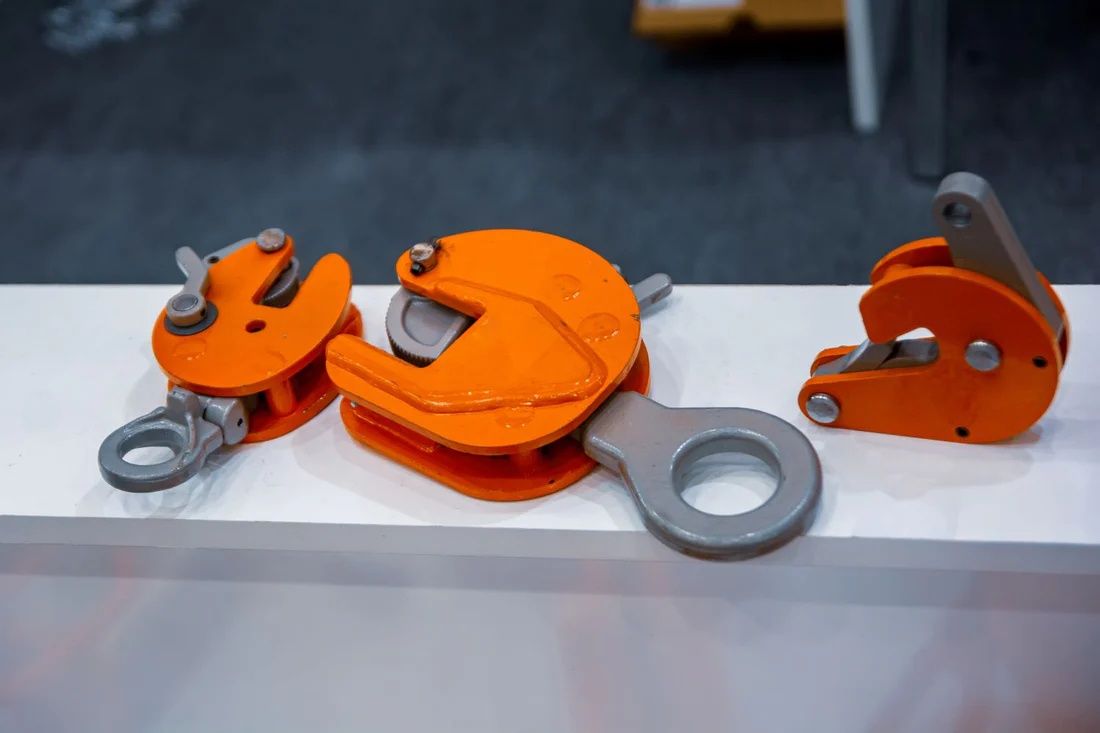
The basic principle of lifting clamps is simple. A clamp attaches securely to a material—often steel plates, metal sheets, pipes, or structural components—and transfers the lifting force from a crane hook or lifting system to the object being moved. This allows materials to be raised, rotated, or positioned with improved stability.
In industrial environments, manual handling of heavy materials is often impractical or unsafe. Lifting clamps help reduce direct human contact with heavy loads and provide controlled lifting operations.
Common lifting clamp designs include:
-
Vertical plate lifting clamps
-
Horizontal plate lifting clamps
-
Universal lifting clamps
-
Pipe lifting clamps
-
Beam clamps
These devices are often part of a broader industrial lifting equipment system that includes cranes, hoists, chains, slings, and rigging accessories. Together, these tools support safe material handling in manufacturing plants, construction sites, shipyards, warehouses, and metal fabrication facilities.
The design of lifting clamps usually incorporates gripping teeth, locking mechanisms, and safety latches. These features help ensure that the clamp remains securely attached to the load while lifting forces are applied.
Because lifting operations involve significant weight and mechanical force, the correct selection and use of lifting clamps is an important aspect of workplace lifting safety practices and industrial material handling procedures.
Why Lifting Clamps Matter in Modern Industrial Operations
In modern industrial environments, efficient material handling plays a major role in productivity and safety. Lifting clamps help solve several operational challenges related to heavy load movement.
One major issue in heavy industries is the safe handling of large metal plates and fabricated components. Without specialized tools, these materials can be difficult to position or transport.
Lifting clamps address these challenges by providing:
-
Secure gripping of heavy materials
-
Controlled lifting and positioning
-
Reduced risk of load slipping
-
Improved workflow efficiency
Industries where lifting clamps are commonly used include:
-
Steel fabrication plants
-
Structural engineering facilities
-
Shipbuilding yards
-
Heavy equipment manufacturing
-
Construction and infrastructure projects
Another important reason lifting clamps matter today is workplace safety. Industrial workplaces increasingly focus on reducing injury risks associated with manual lifting.
Mechanical lifting tools allow workers to operate equipment from safer positions while machines handle the physical load. This reduces strain injuries and improves operational control.
Lifting clamps also support modern material handling equipment systems that rely on coordinated crane and rigging operations. By stabilizing loads during lifting, clamps help prevent sudden load shifts that could damage equipment or materials.
In addition, standardized lifting equipment improves consistency in industrial workflows. When the right clamp type is used for the right material, lifting tasks become faster, more predictable, and easier to manage.
Recent Developments and Industry Trends
Over the past year, several developments have influenced the design and use of lifting clamps and related industrial lifting equipment safety systems.
One noticeable trend is the increased focus on safety monitoring technologies. Some modern lifting devices now include sensors that detect load position or clamp engagement. These technologies help operators verify that the clamp is properly secured before lifting begins.
Another emerging trend is digital load tracking. In certain industrial facilities, lifting operations are integrated into smart manufacturing environments, where equipment data can be monitored and recorded for safety compliance.
Key developments include:
-
Improved clamp locking mechanisms
-
Enhanced load grip materials
-
Integration with crane monitoring systems
-
Digital inspection documentation tools
There is also growing interest in ergonomic improvements. New clamp designs aim to reduce the effort required to attach or release the device from heavy materials.
Industrial safety organizations have also expanded guidance on inspection and maintenance procedures for rigging equipment. Routine inspection checklists help ensure that lifting clamps remain structurally reliable during repeated use.
These updates reflect a broader trend toward safer and more traceable lifting operations across manufacturing and construction industries.
Regulations, Standards, and Safety Frameworks
Lifting clamps are typically governed by broader safety regulations related to industrial load handling systems and rigging equipment.
In many industrial safety frameworks, lifting devices must meet specific design and inspection standards to ensure reliable operation. These rules often focus on preventing accidents during crane or hoisting operations.
Common regulatory considerations include:
-
Load capacity ratings
-
Material strength requirements
-
Inspection procedures
-
Operator training guidelines
-
Equipment certification standards
Several internationally recognized standards influence lifting clamp design and usage.
Examples include:
| Safety Standard | Focus Area |
|---|---|
| ISO lifting equipment standards | Mechanical lifting device safety |
| OSHA lifting guidelines | Workplace lifting procedures |
| ASME rigging equipment standards | Structural integrity of lifting tools |
| EN lifting equipment standards | European machinery safety rules |
These standards often require clear labeling of load capacity and operational limitations on lifting clamps. Operators must ensure that the weight of the load does not exceed the rated capacity of the device.
Routine inspections are another important regulatory requirement. Lifting clamps may need to be checked for:
-
Worn gripping teeth
-
Deformed components
-
Damaged springs or locking parts
-
Surface cracks
Maintaining equipment records is also a common practice in industrial safety management systems.
Useful Tools and Resources for Lifting Operations
Various digital tools and technical resources help professionals manage lifting equipment more effectively.
These resources assist with planning lifting tasks, calculating load limits, and maintaining safety documentation.
Helpful resources include:
• Load Calculation Tools
These calculators estimate lifting forces, weight distribution, and crane load capacity. They help ensure that lifting clamps and rigging components operate within safe limits.
• Rigging Inspection Checklists
Inspection templates help track the condition of lifting equipment and schedule regular safety reviews.
• Material Handling Safety Guidelines
Industry safety organizations provide detailed documents covering safe lifting techniques and rigging procedures.
• Engineering Reference Tables
These tables provide data related to steel plate weights, material density, and lifting geometry.
Example reference table for estimating plate weight:
| Material Thickness | Approximate Weight per m² |
|---|---|
| 6 mm steel plate | ~47 kg |
| 10 mm steel plate | ~78 kg |
| 20 mm steel plate | ~157 kg |
Understanding weight estimates helps determine the appropriate mechanical lifting devices required for a specific lifting operation.
• Digital Maintenance Logs
Many facilities now use software systems to document equipment inspections and track maintenance history.
These tools improve traceability and help ensure lifting equipment remains compliant with safety standards.
Frequently Asked Questions
What are lifting clamps used for?
Lifting clamps are mechanical devices used to grip and lift heavy materials such as steel plates, pipes, or structural components. They are commonly used in crane operations and industrial material handling systems.
How do lifting clamps hold materials securely?
Most lifting clamps use gripping teeth, friction surfaces, or mechanical locking systems. When lifting force is applied, the clamp tightens its grip on the material, helping prevent slipping.
What factors should be considered when selecting a lifting clamp?
Important factors include:
-
Load weight
-
Material thickness
-
Lifting orientation (vertical or horizontal)
-
Surface condition of the material
-
Compatibility with the crane or lifting system
Selecting the correct clamp type improves safety and lifting stability.
How often should lifting clamps be inspected?
Inspection frequency depends on usage conditions and safety policies. Many industrial safety programs recommend regular visual inspections before use and scheduled detailed inspections at defined intervals.
Can lifting clamps be used with different materials?
Some clamps are designed for specific materials such as steel plates or pipes. Universal clamps may support multiple material types, but operators must confirm compatibility and load limits before use.
Conclusion
Lifting clamps play an important role in modern industrial lifting equipment systems. These devices allow heavy materials to be moved safely, efficiently, and with greater control in environments where manual handling would be impractical.
Understanding the basic design and function of lifting clamps helps improve lifting safety and operational planning. From steel fabrication plants to construction projects, these tools support safe load handling and organized workflow processes.
As industries continue to focus on safety improvements and digital monitoring technologies, lifting equipment is evolving with better locking mechanisms, inspection systems, and ergonomic designs.