Learn Wall Art Design: Explanation, Details & Smart Tips
Wall art design refers to the creative process of planning and producing visual artwork intended for display on walls. This includes paintings, murals, digital prints, typography posters, canvas art, mixed media pieces, and decorative installations. The concept exists because humans naturally use visual expression to communicate culture, emotion, identity, and aesthetics within physical spaces.
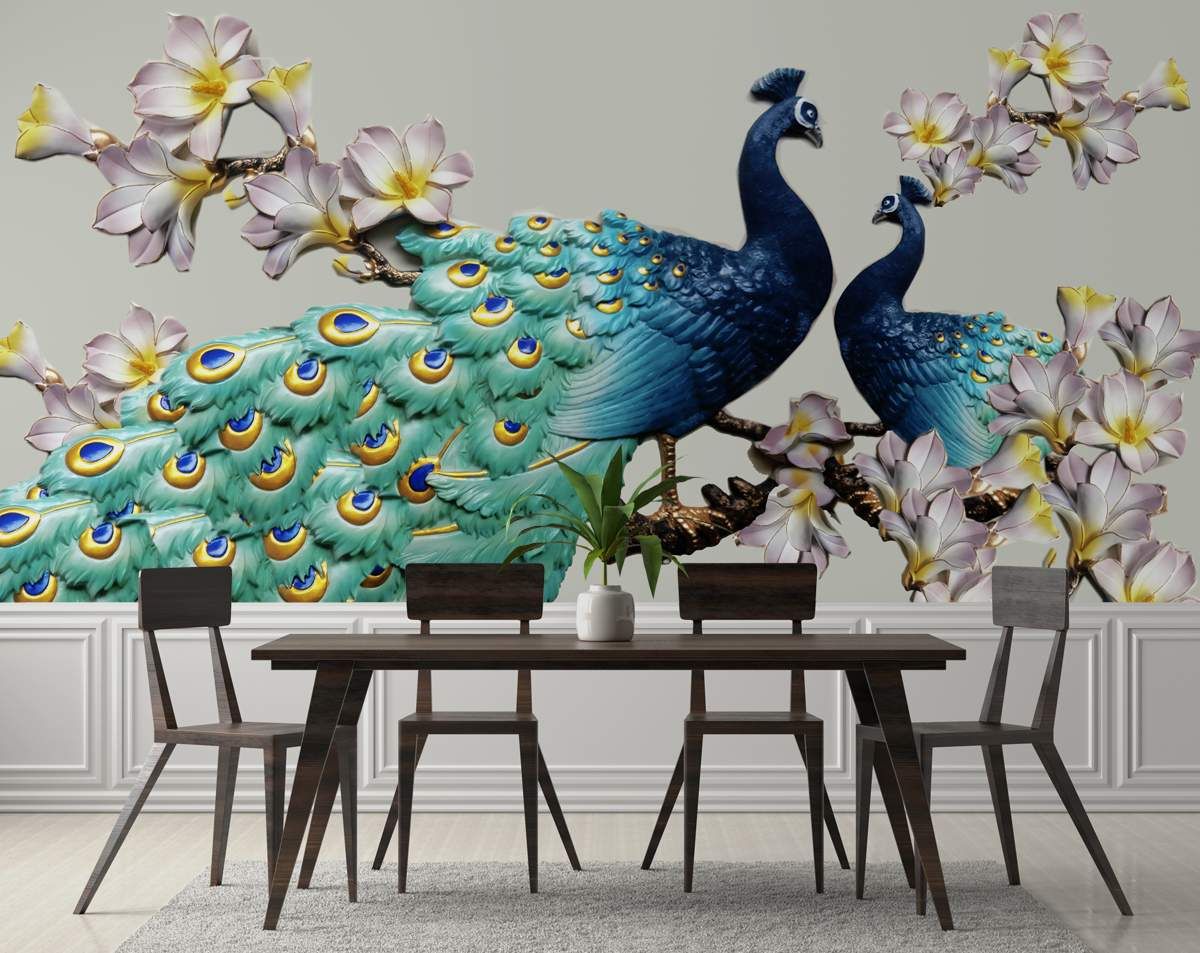
Historically, wall decoration dates back to cave paintings and ancient murals. Over time, it evolved into framed artwork, canvas prints, and now digitally designed wall graphics. In modern spaces, wall art design is closely connected to interior design ideas, branding strategy, architecture, and digital art design.
Wall art serves several purposes:
-
Enhances visual appeal of a space
-
Reflects personality or brand identity
-
Communicates messages or values
-
Creates atmosphere and mood
-
Fills empty wall space meaningfully
Today, wall art design merges traditional art techniques with graphic design software and online design tools. Designers combine typography, photography, abstract elements, and digital illustration to create visually balanced compositions.
Core principles of wall art design include:
-
Balance
-
Contrast
-
Alignment
-
Proportion
-
Color harmony
-
Visual hierarchy
Understanding these principles helps create artwork that feels intentional and aesthetically pleasing rather than random or cluttered.
Why Wall Art Design Matters Today
Wall art design has gained importance due to changes in lifestyle, work culture, and digital content creation. With more people working remotely and focusing on personalized environments, visual surroundings directly impact mood and productivity.
Wall art design affects:
-
Homeowners seeking home decor inspiration
-
Interior designers and architects
-
Businesses shaping office environments
-
Content creators building branded backgrounds
-
Educational institutions enhancing learning spaces
In residential settings, wall art helps transform neutral walls into expressive features. In corporate environments, branded wall graphics strengthen visual identity and workplace engagement.
Below is a simple comparison table showing how wall art design influences different spaces:
| Space Type | Purpose of Wall Art | Impact on Environment |
|---|---|---|
| Living Room | Aesthetic enhancement | Comfort and personality |
| Office Space | Brand identity and motivation | Professional tone |
| Classroom | Educational visuals | Improved learning engagement |
| Studio/Creator | Background design for digital content | Visual consistency |
Modern art trends also emphasize sustainability, minimalism, and custom typography. Creative wall decor is no longer limited to paintings; it includes vinyl graphics, framed quotes, textured panels, and digital prints.
In digital marketing and branding strategy, wall art also plays a role in visual storytelling. Businesses use custom wall graphics to reinforce their mission and values in physical spaces.
Recent Updates and Emerging Trends
Over the past year, several shifts have influenced modern art trends and digital art design:
Increased Use of AI-Assisted Design Tools
Artificial intelligence tools integrated into graphic design software have simplified layout generation and color selection. These tools help designers experiment with typography, pattern creation, and image enhancement more efficiently.
Growth of Sustainable Materials
Eco-friendly canvas materials and water-based inks are gaining attention. Designers are exploring recycled surfaces and biodegradable materials to align with sustainability goals.
Minimalist Typography Posters
Clean layouts with bold fonts and neutral color palettes remain popular. Typography-focused designs emphasize strong messaging and visual clarity.
Augmented Reality Visualization
Some platforms now allow users to preview wall art in a room using augmented reality technology. This helps visualize size, scale, and color compatibility before finalizing designs.
Textured and Layered Designs
Mixed-media approaches combining digital art with physical textures, such as wood or fabric elements, are increasing in popularity.
Laws and Policy Considerations
Wall art design can be influenced by regulations related to intellectual property, public space usage, and safety compliance.
Copyright and Intellectual Property
Artists and designers must ensure they use original artwork or properly licensed images. Unauthorized reproduction of copyrighted content may lead to legal consequences. This is especially relevant when using stock images, fonts, or branded elements.
Public Display Regulations
Large-scale murals or exterior wall installations may require permits depending on local regulations. Building management rules can also restrict certain types of installations in shared spaces.
Safety Standards
For commercial or public buildings, wall installations must comply with safety guidelines. Materials used should meet fire safety standards and structural mounting requirements.
Cultural and Community Guidelines
Some regions have policies regarding artwork displayed in public institutions, ensuring it aligns with community values and public standards.
Understanding these frameworks helps designers avoid legal challenges and maintain ethical creative practices.
Tools and Resources for Wall Art Design
Several tools and platforms support digital art design and layout creation. These resources help beginners and professionals refine their visual concepts effectively.
Graphic Design Software
-
Adobe Illustrator
-
Adobe Photoshop
-
CorelDRAW
Online Design Tools
-
Canva
-
Figma
Color Palette Generators
-
Coolors
-
Adobe Color
Typography Resources
-
Google Fonts
-
DaFont
Mockup Generators
-
Placeit
-
Smartmockups
Project Planning Tools
-
Trello
-
Notion
These tools assist in creating balanced compositions, selecting harmonious color schemes, and organizing design projects.
Below is a simplified workflow table for beginners:
| Stage | Recommended Tool Type | Purpose |
|---|---|---|
| Concept Development | Sketching or Planning Apps | Idea formation |
| Layout Design | Graphic Design Software | Structure and alignment |
| Typography Selection | Font Libraries | Visual hierarchy |
| Color Selection | Palette Generators | Mood and consistency |
| Visualization | Mockup Tools | Real-world preview |
Using the right combination of tools enhances efficiency and design accuracy.
Frequently Asked Questions
What is the difference between wall art and wall decor?
Wall art typically refers to framed artwork, prints, or paintings created with artistic intent. Wall decor can include broader decorative elements such as mirrors, shelves, and textured panels.
How do I choose the right size for wall art?
Measure the wall space and maintain proportional balance. A common guideline is that artwork should occupy about two-thirds to three-quarters of the wall width above furniture.
Which colors work best for wall art design?
Neutral palettes create calm environments, while bold colors add energy. The best choice depends on room lighting, existing decor, and desired mood.
Is digital art suitable for professional spaces?
Yes. Digital art design allows customization aligned with branding strategy and visual identity, making it suitable for offices, studios, and educational spaces.
Do I need professional training to design wall art?
Not necessarily. With accessible graphic design software and online tutorials, beginners can learn visual design principles and create effective layouts through practice.
Conclusion
Wall art design is a blend of creativity, visual communication, and spatial awareness. It transforms blank walls into meaningful visual experiences that reflect identity, mood, and purpose. As digital art design tools evolve and sustainable practices grow, wall art continues adapting to modern expectations.
Understanding visual design principles, staying informed about current trends, respecting intellectual property guidelines, and using reliable online design tools are essential steps in creating effective creative wall decor.
Whether applied in homes, offices, or public spaces, thoughtful wall art design enhances environments and supports both personal expression and professional branding.