Learn Slitting Rewinding Machines: Overview, Tips & Technical Details
Slitting rewinding machines are industrial systems used in roll-to-roll processing to cut large master rolls of material into narrower rolls. These materials can include paper, plastic films, aluminum foil, adhesive tapes, laminates, textiles, and flexible packaging substrates.
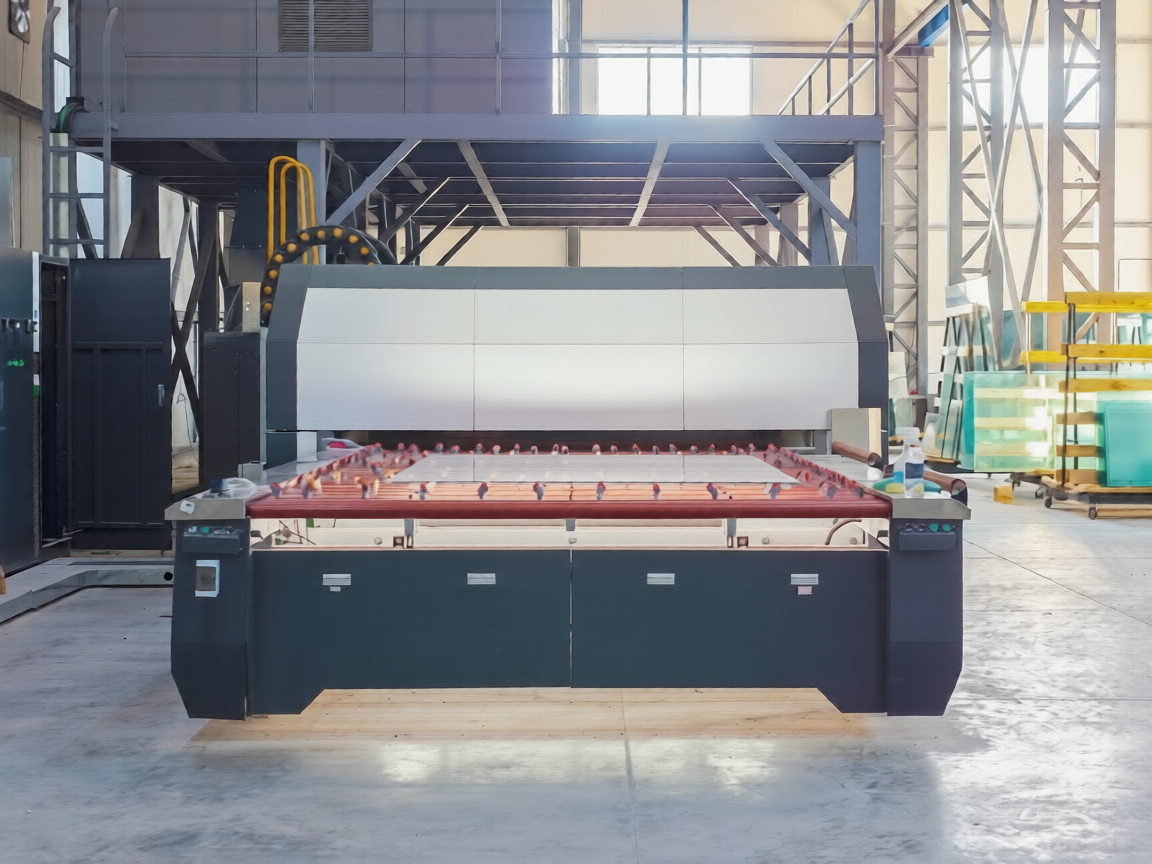
The core function of a slitting rewinding machine is to convert wide rolls into precise widths while maintaining consistent tension and edge quality. This process is known as web converting, and it plays a vital role in packaging, labeling, printing, and flexible electronics industries.
The machine typically consists of:
-
Unwind stand (holds the master roll)
-
Slitting section (razor, shear, or score knives)
-
Tension control system
-
Rewind shafts
-
Control panel (PLC or digital interface)
The need for these machines arose from increasing demand for customized roll widths and efficient material handling in high-volume production environments. Precision cutting technology enables industries to reduce waste, maintain uniform roll quality, and improve downstream processing.
Slitting rewinding machines are considered a key component of industrial automation systems within modern manufacturing facilities.
Why Slitting Rewinding Machines Matter Today
With rapid growth in flexible packaging, e-commerce packaging materials, and specialty films, roll-to-roll processing equipment has become essential. Slitting rewinding machines affect multiple industries, including:
-
Packaging and labeling
-
Pharmaceutical blister film processing
-
Textile and nonwoven fabric conversion
-
Adhesive tape manufacturing
-
Battery and energy storage materials
-
Electronics insulation films
These machines solve several operational challenges:
-
Maintaining consistent roll tension
-
Achieving precise slit widths
-
Reducing edge defects
-
Minimizing material waste
-
Improving production efficiency
In automated manufacturing environments, integration with Industry 4.0 technologies allows real-time monitoring of web tension control, knife positioning, and defect detection. This enhances productivity while supporting industrial quality assurance systems.
For businesses working with high-speed converting lines, precision cutting and stable rewinding are critical to ensuring product performance and regulatory compliance.
The topic also intersects with high-value areas such as manufacturing automation, industrial machinery optimization, and production line efficiency—important considerations in modern industrial operations.
Recent Developments in Slitting and Web Converting Technology
In the past year, advancements in industrial machinery have focused on digitalization, sustainability, and efficiency improvements.
Key trends include:
-
Increased adoption of servo-driven slitting systems for better accuracy
-
Integration of automated knife positioning systems
-
Smart tension control algorithms using load cells and sensors
-
Digital monitoring dashboards for performance analytics
-
Expansion of eco-friendly material compatibility
There has been growing emphasis on processing recyclable and biodegradable materials. Flexible packaging manufacturers have updated slitting equipment to handle thinner, more delicate films without compromising edge quality.
Automation upgrades have also improved safety systems. Modern machines now include:
-
Emergency stop integration
-
Automatic roll change features
-
Operator protection enclosures
-
Real-time fault diagnostics
Another notable trend is predictive maintenance. Through IoT-enabled industrial monitoring tools, manufacturers can track vibration, motor temperature, and blade wear. This reduces downtime and enhances equipment reliability.
These developments reflect broader shifts in industrial digital transformation and smart manufacturing systems.
Regulatory and Compliance Considerations
Slitting rewinding machines operate within broader industrial safety and environmental compliance frameworks.
Key regulatory areas include:
Workplace Safety Standards
Machinery must comply with industrial safety norms, including:
-
Emergency stop requirements
-
Guarding systems
-
Lockout and tagout procedures
-
Electrical safety certifications
Environmental Regulations
Manufacturing facilities processing plastic films, laminates, or coated materials must align with:
-
Waste management guidelines
-
Emission standards
-
Recycling compliance policies
Quality and Industry Certifications
Companies often operate under standards such as:
-
ISO quality management systems
-
Good Manufacturing Practice (GMP) for pharmaceutical films
-
Packaging compliance standards
Regulations influence machine design, especially in industries handling food-grade or medical-grade materials. Proper documentation, traceability, and validation processes are important for maintaining compliance.
Understanding regulatory requirements ensures smooth integration of web converting equipment into production lines without operational risks.
Technical Overview of Slitting Methods
Different slitting methods are used depending on the material type and application.
| Slitting Method | Best For | Key Advantage |
|---|---|---|
| Razor Slitting | Thin films, plastic wraps | Simple setup |
| Shear Slitting | Paper, laminates | Clean edges |
| Score Slitting | Thick materials | Durable blades |
Razor Slitting
Uses sharp blades positioned against a roller. Ideal for lightweight and flexible films.
Shear Slitting
Uses rotating top and bottom knives, similar to scissors. Suitable for thicker materials requiring precision cutting.
Score Slitting
Employs circular knives pressing against hardened rollers. Common in high-speed industrial applications.
Selecting the right slitting configuration depends on material thickness, tensile strength, and production speed.
Basic Tension Control Concept (Illustrative Graph)
Web tension control ensures material stability during slitting and rewinding.
Tension Level
|
|        ________
|       /        \
|______/          \_______
|
|________________________________
             Production Speed
Stable tension reduces wrinkles, telescoping rolls, and edge defects. Advanced systems use closed-loop feedback mechanisms for consistent results.
Helpful Tools and Resources
Professionals working with slitting rewinding machines can benefit from several technical tools and resources.
Industrial Calculators
-
Web tension calculation tools
-
Roll diameter conversion calculators
-
Production throughput estimators
Software Systems
-
PLC programming interfaces
-
SCADA monitoring systems
-
Predictive maintenance dashboards
Technical Documentation Templates
-
Equipment maintenance logs
-
Standard operating procedure templates
-
Safety inspection checklists
Industry Platforms
-
Manufacturing automation forums
-
Industrial machinery technical journals
-
Engineering knowledge databases
Training Resources
-
Web converting technical webinars
-
Machinery operation manuals
-
Industrial safety certification programs
Using structured documentation and monitoring tools improves operational reliability and supports compliance with industrial standards.
Frequently Asked Questions
What materials can be processed using slitting rewinding machines?
These machines handle materials such as plastic films, paper, foil, nonwoven fabrics, laminates, tapes, and specialty substrates used in packaging and electronics.
How does tension control impact final roll quality?
Proper tension ensures smooth winding, prevents wrinkles, and maintains consistent roll density. Poor tension control may cause uneven rolls or material deformation.
What is the difference between shear and razor slitting?
Shear slitting uses rotating knives for cleaner edges in thicker materials, while razor slitting uses fixed blades suitable for thin films.
Can slitting rewinding machines be integrated with automation systems?
Yes. Modern systems integrate with PLCs, IoT sensors, and digital dashboards for performance tracking and predictive maintenance.
Why is edge quality important in web converting?
Clean edges reduce material waste, prevent downstream processing issues, and improve product performance in packaging and printing applications.
Conclusion
Slitting rewinding machines are a foundational element of roll-to-roll processing and industrial web converting systems. They enable precise material cutting, consistent tension control, and efficient production workflows across multiple industries.
As manufacturing automation continues to evolve, these machines are becoming more intelligent, data-driven, and compatible with sustainable materials. Regulatory compliance, safety integration, and digital monitoring systems are shaping the next phase of development in industrial machinery