Learn Pick and Place Machines: Overview, Tips & Details
Pick and place machines are automated systems used in electronics manufacturing to position components onto printed circuit boards (PCBs). They are a core part of surface mount technology (SMT), a method where electronic parts are mounted directly onto the surface of a PCB.
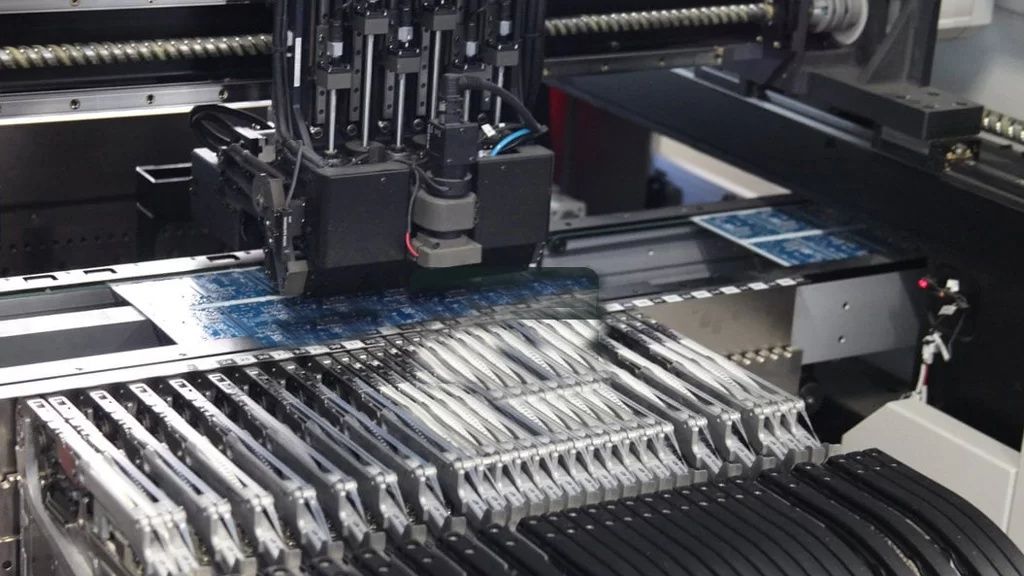
Before automation, workers manually placed electronic components onto circuit boards. As electronics became smaller, faster, and more complex, manual assembly became inefficient and error-prone. To meet the growing demand for accuracy and speed, automated assembly systems were introduced.
A pick and place machine works by:
-
Picking electronic components from reels or trays
-
Using precision robotics and vision systems to align them
-
Placing them accurately onto solder paste on a PCB
After placement, the board typically moves through a reflow soldering process, where heat permanently attaches the components.
These machines are widely used in industries such as:
-
Consumer electronics
-
Automotive electronics
-
Telecommunications hardware
-
Medical devices
-
Industrial control systems
They exist to improve consistency, reduce human error, and support high-volume PCB assembly.
Importance: Why Pick and Place Machines Matter Today
In modern electronics manufacturing, speed and precision are essential. Devices are becoming smaller, more powerful, and more complex. Pick and place machines help manufacturers meet these demands.
Key reasons they matter:
High Precision and Accuracy
Modern SMT machines can place thousands of components per hour with micrometer-level accuracy. This precision is necessary for small surface-mount components such as resistors, capacitors, and integrated circuits.
Scalability for Industrial Automation
Automated assembly systems allow manufacturers to scale production efficiently without compromising quality. This is particularly important in industries with fluctuating demand.
Consistency and Quality Control
Human placement can lead to alignment errors, especially with tiny components. Robotics combined with machine vision ensures repeatable accuracy.
Reduced Material Waste
Accurate placement minimizes misaligned parts, reducing scrap rates and improving production efficiency.
Support for Advanced Electronics
Technologies such as 5G hardware, electric vehicle control systems, and smart devices rely on densely populated PCBs. Without pick and place technology, assembling these boards would be extremely difficult.
The following table highlights common benefits compared to manual placement:
| Feature | Manual Assembly | Pick and Place Machine |
|---|---|---|
| Placement Speed | Low | Very High |
| Accuracy | Moderate | Extremely Precise |
| Repeatability | Limited | Consistent |
| Suitable for Micro Parts | Challenging | Highly Suitable |
| Scalability | Limited | High |
This makes pick and place systems a key component of industrial automation and smart manufacturing.
Recent Updates and Industry Trends
The electronics manufacturing industry has experienced several important developments in recent months.
Integration of Artificial Intelligence
Manufacturers are increasingly integrating AI-driven inspection systems into SMT lines. These systems analyze placement accuracy in real time and adjust machine parameters automatically.
Smart Factory and Industry 4.0 Adoption
More production facilities are adopting smart factory systems where pick and place machines connect to centralized monitoring platforms. This enables predictive maintenance and real-time performance tracking.
Improved 3D Inspection Technology
Advanced 3D solder paste inspection and automated optical inspection (AOI) systems now work alongside placement machines to detect issues earlier in the process.
Higher Component Density Support
Recent SMT machine models are designed to handle ultra-small components used in compact electronic devices. This supports the continued miniaturization trend in electronics design.
Energy Efficiency Enhancements
Manufacturers are improving machine energy efficiency to reduce overall production footprint and align with sustainability initiatives.
These updates reflect a shift toward data-driven manufacturing and precision robotics integration.
Laws and Policies Affecting Pick and Place Machines
Pick and place machines operate within regulatory frameworks related to electronics manufacturing and industrial automation.
Product Safety and Electrical Standards
Electronics assembled using SMT must comply with electrical safety and performance standards defined by national and international regulatory bodies.
Environmental Regulations
Many regions enforce rules on hazardous substances in electronics, such as restrictions on certain materials used in solder or components. Manufacturers must ensure PCB assembly processes comply with these environmental requirements.
Workplace Safety Regulations
Industrial machinery must meet occupational safety standards. Pick and place machines typically include protective enclosures, emergency stop systems, and safety interlocks.
Export and Trade Compliance
Advanced industrial automation equipment may be subject to export control regulations, depending on technology classification.
Data Security Requirements
With smart factory systems and connected manufacturing lines, cybersecurity regulations increasingly apply to industrial control systems.
Compliance ensures that automated assembly systems operate safely, responsibly, and within established legal frameworks.
Tools and Resources for Understanding Pick and Place Machines
Several tools and resources help engineers, students, and professionals better understand SMT and PCB assembly.
Design Software
-
PCB design tools for component layout planning
-
Gerber file viewers for manufacturing preparation
-
Simulation tools for assembly line optimization
Inspection and Analysis Tools
-
Automated Optical Inspection (AOI) systems
-
3D solder paste inspection software
-
Production data analytics dashboards
Educational Platforms
-
Online engineering courses on surface mount technology
-
Technical documentation from electronics manufacturing associations
-
Industrial automation webinars
Standards and Documentation Resources
-
Electronics manufacturing standards organizations
-
Technical white papers on SMT process optimization
-
Safety compliance guidelines for industrial machinery
The table below summarizes common categories:
| Resource Type | Purpose |
|---|---|
| PCB Design Software | Layout and component planning |
| AOI Systems | Detect placement defects |
| Data Monitoring Platforms | Track production metrics |
| Technical Standards Documents | Ensure compliance and quality |
Using these tools improves understanding of how pick and place machines integrate into a full PCB assembly workflow.
Frequently Asked Questions
What is the difference between a pick and place machine and an SMT machine?
A pick and place machine is a specific type of SMT machine. Surface mount technology refers to the entire process of mounting components onto a PCB, while the pick and place system performs the component placement step.
How accurate are modern pick and place machines?
Modern systems can achieve extremely high precision, often placing components within micrometer tolerances using advanced vision alignment systems.
Can pick and place machines handle different component sizes?
Yes. They can handle a wide range of component types, from small passive components to larger integrated circuits, depending on machine configuration.
Are pick and place machines used outside electronics manufacturing?
While primarily used in PCB assembly, similar robotic systems are also used in packaging, pharmaceutical handling, and other automated assembly applications.
What role does machine vision play in placement accuracy?
Machine vision systems detect component orientation and board alignment before placement. This ensures correct positioning and reduces defects.
Conclusion
Pick and place machines are central to modern electronics manufacturing. As part of surface mount technology, they automate the precise placement of components onto PCBs, enabling high-speed, high-accuracy production.
Their importance continues to grow with increasing demand for compact, high-performance electronic devices. Advances in AI integration, smart factory systems, and 3D inspection technologies are shaping the future of automated assembly systems.
Regulatory standards, environmental rules, and workplace safety policies influence how these machines operate within manufacturing facilities. At the same time, a range of tools and technical resources supports learning and process optimization.