Learn Micro-Apartment Rentals: Overview, Insights, Tips, and Useful Resources Guide
Micro-apartment rentals refer to compact living spaces designed to maximize functionality within a small footprint. These units are typically smaller than traditional apartments and are often located in urban areas where space is limited and population density is high. Over time, micro apartments for rent have become part of a broader shift toward efficient, minimal living, influenced by rising urban populations and changing lifestyle preferences.
The concept of small apartment rentals is not entirely new. Compact housing has existed in various forms across cities worldwide, particularly in places where land availability is constrained. However, modern micro apartment rentals emphasize thoughtful design, incorporating multifunctional furniture, efficient layouts, and shared amenities to make small spaces practical and comfortable.
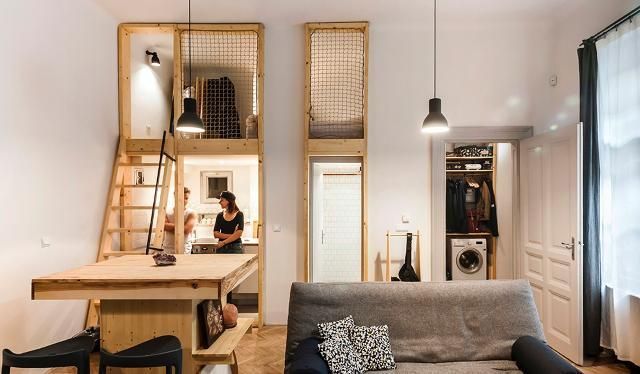
In recent years, the idea of affordable micro apartments and luxury compact apartment rentals has expanded to include a wide range of options. Some units are furnished micro apartments for rent, ready for immediate use, while others cater to short term micro apartment rentals for travelers, students, or professionals relocating temporarily.
Importance
Micro-apartment rentals matter because they address several real-world challenges related to urban living. As cities grow, housing availability often becomes limited, and traditional housing options may not suit everyone’s needs. Micro apartments provide an alternative that focuses on space efficiency and simplified living.
For many individuals, including students, young professionals, and single occupants, these compact units align with their lifestyle. They often require less maintenance, encourage minimalism, and are located near workplaces or public transport systems. This reduces commuting time and supports more flexible living arrangements.
Key challenges addressed by micro apartment rentals include:
- Limited urban space: Cities with dense populations benefit from compact housing solutions that use land efficiently.
- Changing lifestyle preferences: Many people prefer smaller, manageable spaces over larger homes.
- Mobility and flexibility: Short term micro apartment rentals support people who move frequently for education or work.
- Resource efficiency: Smaller living spaces typically use less energy and fewer materials, contributing to sustainability efforts.
Additionally, enterprise micro housing solutions are being explored by organizations and institutions to accommodate workforce housing needs in urban centers. These solutions aim to provide structured, compact living environments for groups such as employees or trainees.
Recent Updates
From 2024 to 2026, micro apartment rentals have continued to evolve with advancements in design, technology, and urban planning. One noticeable trend is the integration of smart home features in both affordable micro apartments and luxury micro apartments for rent. These features include automated lighting, climate control, and space-saving modular systems.
Another development is the rise of digital micro apartment booking platforms. These platforms allow users to explore listings, compare features, and arrange short term stays or longer rentals. This has simplified access to furnished micro apartments for rent across different cities.
Urban planners and developers are also experimenting with mixed-use buildings that combine residential micro units with shared workspaces, recreational areas, and community facilities. This approach supports a more connected living experience, especially for individuals who spend much of their time in compact spaces.
Some general trends include:
- Increased demand for premium micro apartment rentals in central locations
- Growth of co-living models alongside micro apartments
- Expansion of micro apartment property management systems for efficient operations
- Greater focus on sustainability, including energy-efficient appliances and materials
These developments reflect a broader shift toward adaptable housing that aligns with modern urban lifestyles.
Laws or Policies
Micro-apartment rentals are influenced by local housing regulations, zoning laws, and building codes. In many countries, including India, authorities set minimum size requirements for residential units to ensure safety and livability. These regulations can affect how small micro apartments can be constructed and used.
Zoning policies determine where micro apartments can be developed. In some cities, specific zones allow higher-density housing, making them suitable for micro apartment projects. Developers must also comply with fire safety standards, ventilation requirements, and sanitation guidelines.
Key regulatory considerations include:
- Minimum unit size rules: Authorities may define the smallest allowable living area for residential units
- Occupancy limits: Regulations often specify how many individuals can live in a single unit
- Building safety standards: Includes structural safety, emergency exits, and fire protection systems
- Rental agreements: Legal frameworks govern tenant rights and responsibilities
In addition, some governments explore policies that encourage compact housing as part of urban development strategies. These initiatives aim to address housing shortages while maintaining basic living standards.
Tools and Resources
Various tools and resources support individuals and organizations involved in micro apartment rentals. These tools help with planning, searching, and managing compact living spaces effectively.
Digital Platforms
Micro apartment booking platforms provide access to listings for micro apartments for rent. These platforms often include filters for location, size, furnishing status, and rental duration. They are particularly useful for finding short term micro apartment rentals or furnished micro apartments for rent.
Property Management Systems
Micro apartment property management tools help manage multiple units efficiently. These systems track occupancy, maintenance schedules, and tenant communication. They are commonly used by micro apartment rental agencies and property owners.
Space Planning Tools
Online layout planners and design tools allow users to visualize how furniture and storage can fit into small spaces. These tools are helpful for maximizing functionality in small apartment rentals.
Comparison Table
Below is a general comparison of different types of micro apartment rentals:
| Type of Micro Apartment | Typical Features | Suitable For |
|---|---|---|
| Furnished micro apartments for rent | Ready-to-use furniture, appliances included | Short stays, relocation |
| Luxury micro apartments for rent | Premium interiors, smart features | Urban professionals |
| Affordable micro apartments | Basic amenities, compact layouts | Budget-conscious individuals |
| Short term micro apartment rentals | Flexible duration, temporary arrangements | Travelers, students |
| Premium micro apartment rentals | Enhanced facilities, central locations | Long-term urban residents |
These categories help individuals identify options based on their needs and preferences.
FAQs
What are micro apartment rentals?
Micro apartment rentals are compact residential units designed to maximize functionality within a small space. They typically include essential living areas such as a sleeping zone, kitchenette, and bathroom in a streamlined layout.
Are micro apartments for rent suitable for long-term living?
Micro apartments for rent can be suitable for long-term living, especially for individuals who prefer minimal space and simplified living. Suitability depends on personal lifestyle, storage needs, and comfort with compact environments.
How do furnished micro apartments for rent differ from unfurnished ones?
Furnished micro apartments for rent include essential furniture and appliances, making them ready for immediate occupancy. Unfurnished units may require occupants to arrange their own furnishings.
What are short term micro apartment rentals used for?
Short term micro apartment rentals are commonly used by travelers, students, and professionals who need temporary accommodation. These rentals provide flexibility in duration without long-term commitments.
How do micro apartment booking platforms work?
Micro apartment booking platforms allow users to browse available units, compare features, and arrange rentals. They typically include filters for location, size, and amenities, making it easier to find suitable options.
Conclusion
Micro-apartment rentals represent a practical response to modern urban living challenges, focusing on efficiency, flexibility, and compact design. They cater to a wide range of individuals, from short-term occupants to long-term residents seeking simplified lifestyles. Ongoing developments in technology, design, and policy continue to shape how these spaces are built and managed. Understanding their features, regulations, and available resources helps individuals make informed decisions about compact living.