Learn Forage Harvesters: Detailed Explanation, Tips, Suggestions & Knowledge
Forage harvesters are specialized agricultural machines used to cut, chop, and process forage crops such as maize, grass, sorghum, and alfalfa into silage. Silage is a preserved feed that supports livestock nutrition throughout the year, especially when fresh pasture is limited.
The development of forage harvesters is closely tied to the growth of dairy and livestock farming. As herd sizes increased, manual harvesting methods became inefficient and inconsistent. Mechanized forage harvesting was introduced to improve productivity, ensure uniform chop length, and reduce labor dependency.
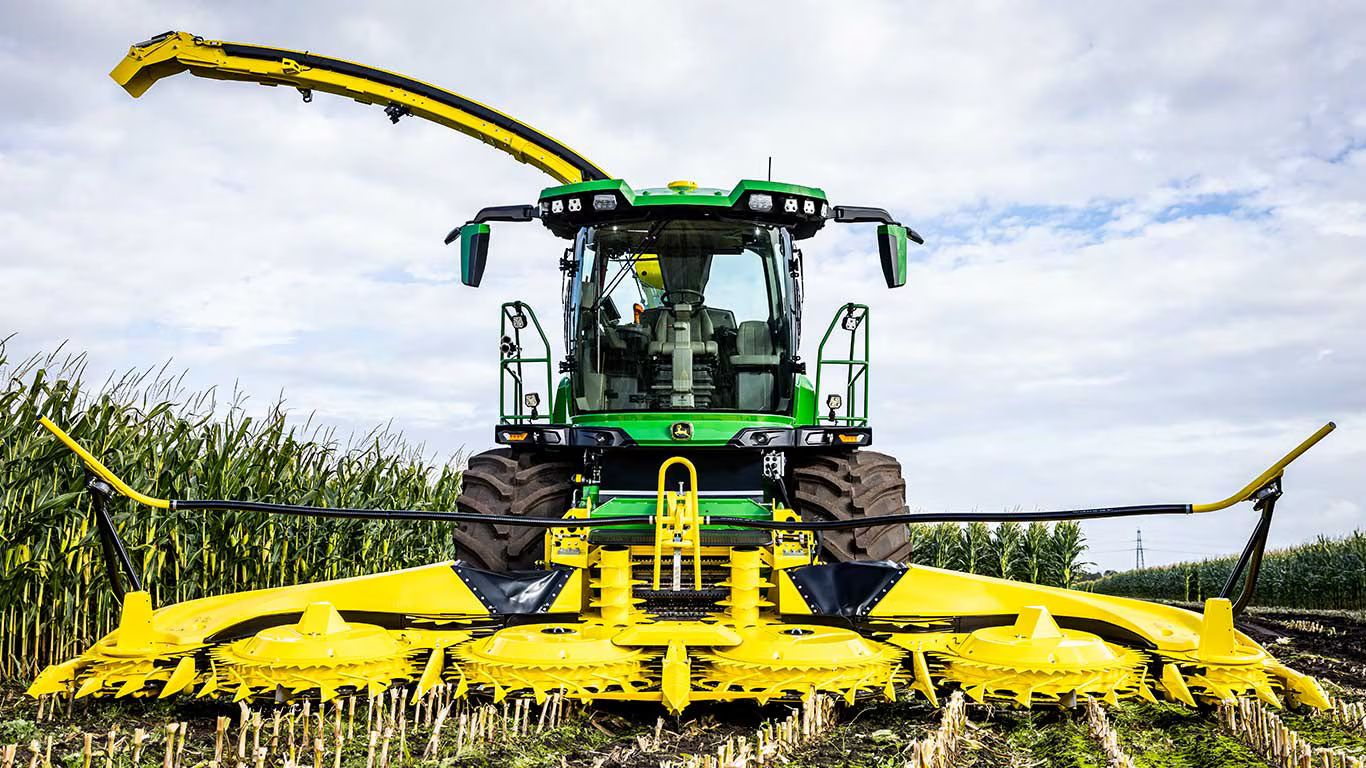
Modern forage harvesters are designed to handle large volumes of crops efficiently while maintaining feed quality. They can be self-propelled or tractor-mounted and often include advanced features like kernel processors, automatic feed systems, and precision controls.
Importance: Why Forage Harvesters Matter Today
Forage harvesters play a crucial role in modern agriculture, particularly in livestock-based systems. They directly influence feed quality, operational efficiency, and farm sustainability.
Key reasons why forage harvesters are important:
-
Improved Feed Quality: Consistent chopping ensures better fermentation and higher nutritional value in silage
-
Time Efficiency: Large fields can be harvested quickly, reducing crop loss due to weather changes
-
Labor Optimization: Mechanization reduces reliance on manual labor
-
Higher Productivity: Enables farmers to manage larger farms effectively
-
Reduced Waste: Precise cutting minimizes crop losses during harvesting
These machines are especially relevant for dairy farms, cattle operations, and integrated farming systems. By improving silage quality, forage harvesters indirectly enhance milk production, animal health, and overall farm output.
Recent Updates: Trends and Developments
The forage harvesting industry has seen several advancements driven by technology, sustainability concerns, and precision agriculture.
Some notable trends include:
-
Precision Farming Integration: GPS-enabled systems allow accurate field mapping and optimized harvesting patterns
-
Smart Sensors: Real-time monitoring of moisture levels and crop quality improves silage consistency
-
Automation Features: Auto-steering and feed roll control systems reduce operator fatigue
-
Fuel Efficiency Improvements: Modern machines are designed to reduce fuel consumption and emissions
-
Data Connectivity: Cloud-based platforms enable performance tracking and data-driven decisions
Below is a simple comparison of traditional vs modern forage harvesters:
| Feature | Traditional Machines | Modern Machines |
|---|---|---|
| Operation | Manual control | Automated & GPS-assisted |
| Feed Quality Control | Basic | Advanced sensors |
| Efficiency | Moderate | High |
| Data Tracking | Limited | Real-time analytics |
| Environmental Impact | Higher emissions | Improved efficiency |
These developments reflect a broader shift toward smart agriculture, where machines are not just tools but part of an integrated data ecosystem.
Laws or Policies: Regulatory and Program Influence
Forage harvesters, like other agricultural machinery, are influenced by various regulations and policies related to safety, environmental impact, and agricultural practices.
Common regulatory areas include:
-
Machine Safety Standards: Guidelines ensure safe operation, including protective shields and emergency controls
-
Emission Regulations: Engines must meet environmental standards to reduce air pollution
-
Subsidy Programs: Some agricultural policies support mechanization through financial assistance or incentives
-
Training Requirements: Operators may need basic training to ensure safe and efficient use
-
Sustainable Farming Policies: Encouragement of practices that improve soil health and reduce waste
These frameworks aim to balance productivity with environmental responsibility and worker safety.
Tools and Resources: Helpful Platforms and Solutions
Several tools and resources can help farmers and agricultural professionals better understand and use forage harvesters effectively.
Useful tools include:
-
Silage Calculators: Estimate yield, storage needs, and feed requirements
-
Farm Management Software: Track harvesting schedules, machine performance, and crop data
-
Maintenance Checklists: Ensure machines operate efficiently and reduce downtime
-
Training Videos and Guides: Provide step-by-step instructions for operation and safety
-
Weather Monitoring Apps: Help plan harvesting at optimal times
Below is an example of a basic forage planning table:
| Parameter | Example Value | Purpose |
|---|---|---|
| Crop Type | Maize | Determines harvesting method |
| Moisture Level | 60–70% | Ideal for silage fermentation |
| Chop Length | 10–20 mm | Affects feed digestibility |
| Harvest Timing | Early maturity | Ensures nutrient retention |
These tools support better decision-making and help improve overall harvesting outcomes.
FAQs: Common Questions About Forage Harvesters
What crops can forage harvesters process?
Forage harvesters are commonly used for maize, grass, sorghum, and alfalfa. They can handle both fresh and partially dried crops.
How does chop length affect silage quality?
Shorter chop lengths improve compaction and fermentation, while longer lengths may support better fiber structure. The ideal length depends on the crop and feeding goals.
What is a self-propelled forage harvester?
It is a standalone machine with its own engine and mobility, offering higher capacity and advanced features compared to tractor-mounted versions.
Why is moisture level important during harvesting?
Proper moisture levels ensure effective fermentation and prevent spoilage. Too dry or too wet forage can reduce silage quality.
How often should maintenance be performed?
Regular maintenance, including blade sharpening and system checks, should be done before and during the harvesting season to ensure optimal performance.
Conclusion
Forage harvesters are a vital component of modern agricultural systems, particularly in livestock farming. They improve efficiency, enhance feed quality, and support large-scale operations. With advancements in technology, these machines are becoming smarter, more efficient, and more environmentally friendly.
Understanding how forage harvesters work, their importance, and the tools available can help farmers and agricultural professionals make informed decisions. As agriculture continues to evolve, forage harvesting will remain a key process in ensuring sustainable and productive farming practices.