Lead Generation Techniques: An Explore & Guide to Basics, Facts, and Knowledge
Lead generation techniques refer to structured methods used to identify and attract individuals or organizations that show interest in a product, solution, or information. The concept exists to help businesses and digital platforms connect with relevant audiences in an organized and measurable way.
In digital environments, lead generation focuses on capturing interest through educational content, online interactions, and data-driven engagement. These techniques evolved as audiences moved from offline communication to websites, search engines, and social platforms.
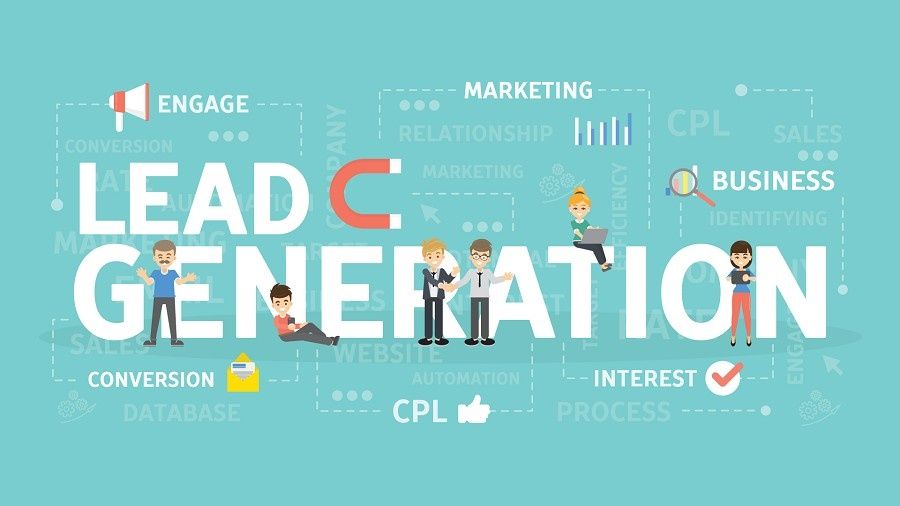
At its core, lead generation is about information exchange. Users seek knowledge or solutions, and platforms create pathways to understand user intent through forms, subscriptions, or engagement signals.
Importance: Why Lead Generation Techniques Matter Today
Lead generation techniques play an important role in modern digital ecosystems. They help organizations understand audience needs while enabling users to discover relevant information efficiently.
Key reasons this topic matters include:
-
Increased online competition for user attention
-
Growth of data-driven decision making
-
Shift toward personalized digital experiences
-
Demand for measurable marketing outcomes
These techniques affect multiple groups:
-
Businesses seeking sustainable growth
-
Digital marketers and analysts
-
Content creators and publishers
-
Users searching for relevant, trustworthy information
Lead generation techniques help solve common challenges such as low engagement, unclear audience targeting, and inefficient communication channels.
Recent Updates: Trends and Changes in Lead Generation
Lead generation techniques continue to evolve due to changes in technology, user behavior, and platform policies.
Recent developments include:
-
Greater use of artificial intelligence for audience segmentation and predictive insights
-
Increased focus on privacy-first data collection methods
-
Stronger emphasis on content-driven lead acquisition
-
Growth of interactive formats such as quizzes and calculators
Emerging Lead Generation Trends
| Trend Area | Description |
|---|---|
| AI-Driven Insights | Automated analysis of user intent and behavior |
| Content-Led Strategies | Educational content as a primary lead source |
| Privacy-Focused Data | Reduced reliance on third-party tracking |
| Multi-Channel Touchpoints | Unified engagement across platforms |
These trends highlight a shift from volume-based approaches to relevance-based engagement.
Laws or Policies: Regulatory Influence on Lead Generation
Lead generation techniques are influenced by global data protection and digital communication standards. These rules are designed to ensure transparency, user consent, and responsible data handling.
Key regulatory principles affecting lead generation include:
-
Clear disclosure of data usage
-
User control over personal information
-
Secure storage of collected data
-
Limitations on unsolicited communication
Organizations adopting lead generation techniques must align processes with evolving digital governance frameworks to maintain trust and compliance.
Tools and Resources: Supporting Lead Generation Activities
A wide range of platforms and resources support lead generation techniques by helping manage data, analyze behavior, and improve engagement quality.
Commonly Used Lead Generation Tools
| Tool Type | Purpose |
|---|---|
| Analytics Platforms | Track user behavior and engagement patterns |
| Form Builders | Capture structured user information |
| Email Management Systems | Organize and segment communication lists |
| Content Management Systems | Publish and manage lead-focused content |
| Customer Data Platforms | Centralize and analyze audience data |
Additional helpful resources include:
-
Landing page templates
-
Keyword research platforms
-
Conversion tracking dashboards
-
Data visualization tools
These resources help streamline lead identification while maintaining clarity and accuracy.
FAQs: Common Questions About Lead Generation Techniques
What is the main goal of lead generation techniques?
The primary goal is to identify and understand individuals or organizations interested in specific information, solutions, or topics.
Are lead generation techniques only used online?
No. While digital methods are common, lead generation can also occur through events, referrals, and offline interactions.
How does content support lead generation?
Educational and informative content attracts users organically and encourages voluntary engagement.
Is data privacy important in lead generation?
Yes. Responsible data handling builds trust and aligns with global regulatory standards.
Can small organizations use lead generation techniques effectively?
Yes. Scalable tools and clear strategies make lead generation accessible across different organization sizes.
Data Snapshot: Lead Generation Performance Indicators
| Metric | What It Measures |
|---|---|
| Conversion Rate | Percentage of users showing interest |
| Engagement Time | Duration of content interaction |
| Lead Quality Score | Relevance of collected leads |
| Channel Performance | Effectiveness of traffic sources |
These indicators help evaluate the effectiveness of lead generation efforts objectively.
Conclusion: Key Takeaways on Lead Generation Techniques
Lead generation techniques form a foundational part of modern digital communication strategies. They exist to connect users with relevant information while helping organizations understand audience intent responsibly.
As technology advances and privacy expectations increase, successful lead generation relies on transparency, relevance, and value-driven engagement. By focusing on educational content, ethical data practices, and adaptive tools, lead generation techniques continue to support sustainable digital growth.